The Life-Saving Power of Medical Alert Jewelry
Ninety-five percent of emergency medical technicians check for medical alert jewelry during critical incidents. This isn't accidental protocol - it's survival science. When someone collapses from a penicillin reaction or morphine overdose, their unconscious body becomes the battlefield. Your wrist might hold the difference between life-saving treatment and a fatal medication error.
Dr. David Lang, President of the American College of Allergy, Asthma, and Immunology, put it bluntly in 2024: "If you have a history of anaphylaxis, wear a medical alert bracelet." But how do you turn metal into protection? This isn't just fashion - it's engineering your safety system.
Pick the Right Device for Your Risk Level
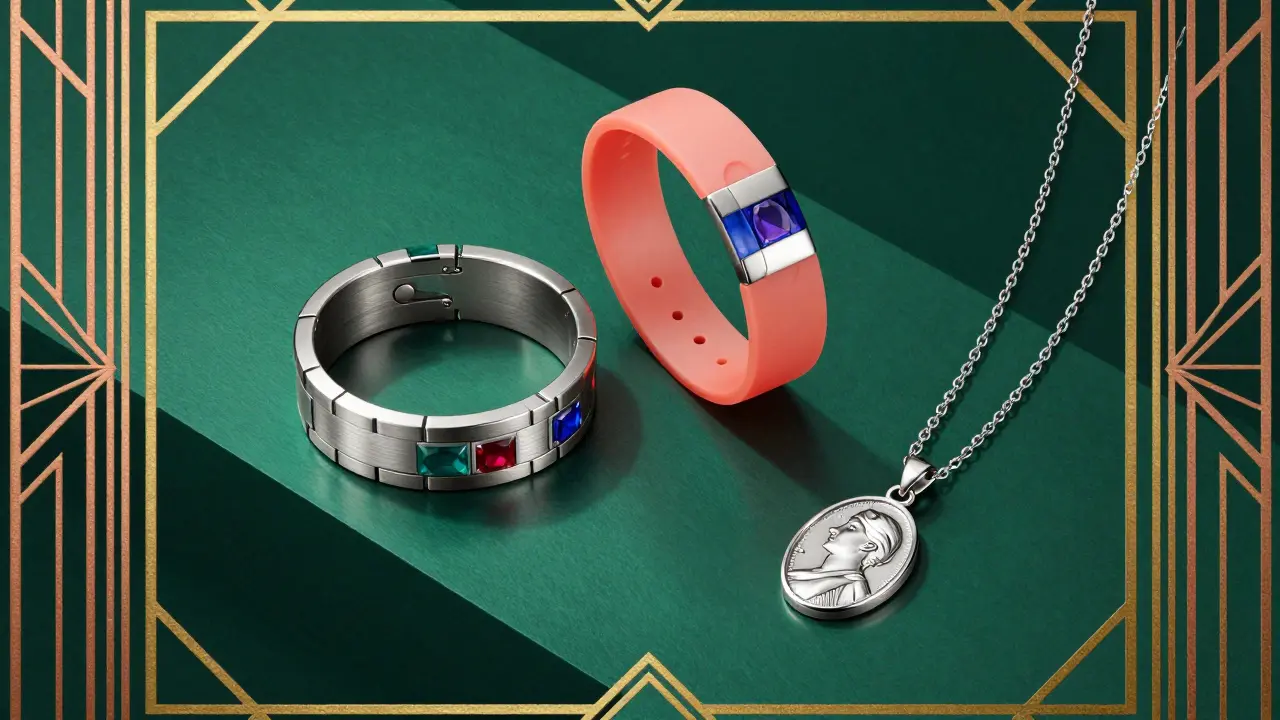
Medical alert jewelry comes in three core forms. Each serves different risk profiles:- Silicone bands: Hypoallergenic, waterproof, ideal for daily wearers who sweat profusely or work with chemicals. Lauren's Hope offers sizes from toddler to XL with customizable colors.
- Titanium bracelets: Scratch-resistant, MRI-safe, perfect for healthcare workers needing constant protection. Ackerman Security notes titanium doesn't interfere with hospital imaging equipment.
- Necklace pendants: Higher visibility for trauma cases where wrist injuries might obscure bracelets. Best paired with a chain that won't tangle in machinery.
A 2024 survey showed 87% of severe allergy patients choose bracelets over necklaces. Why? Emergency crews check wrists first during trauma assessments. One ER nurse told us she grabs patients' arms before checking pockets.
| Type | Detection Rate | Durability | Cost Range |
|---|---|---|---|
| Silicone Band | High | Medium | $30-$60 |
| Metal Bracelet | Very High | Extreme | $50-$120 |
| Necklace | Medium | Low | $40-$90 |
What to Engrave (And What to Skip)
Space is precious. Every character counts when seconds matter. Here's the exact wording verified by MedicAlert's Clinical Advisory Board:
- ALLERGY TRIGGERS: Use standardized codes. "PCN" for penicillin, "Ceph" for cephalosporins. Never write "Penicillin allergic" - use "NO PCN" to save characters.
- EMERGENCY MEDS: If you carry epinephrine, add "EPI PEN CARRIED." This signals responders to administer immediately if signs appear.
- Critical Contacts: List two ICE numbers labeled "ICE: [Name]" with full phone numbers. Don't skip international formatting (+1 for US).
A 2023 Kaiser Permanente case study saved a patient's life when their bracelet read "ALGYS: CEPHALOSPORIN" during hypoglycemic confusion. Staff avoided antibiotics that would've triggered anaphylaxis. Contrast this with a 2022 incident where "Allergic to some antibiotics" failed - vague language caused dangerous delays.
- Using personal nicknames instead of medical abbreviations
- Omitting secondary allergies (like latex reactions affecting IV tapes)
- Failing to update after new diagnoses
Placement Rules for Maximum Visibility
Your dominant hand determines effectiveness. Wear bracelets on your writing hand - paramedics prioritize those wrists during assessments. For necklaces, position the pendant above shirt collars but below scarves. In winter, keep it visible through layers using reflective cords.
New users often struggle with comfort. MedicAlert's 2023 study found 92% adapt within 7 days. Start wearing during non-critical hours - coffee shops, office meetings - until muscle memory kicks in. Remove only during water activities unless using waterproof silicone.
Pair Physical With Digital Protection
Don't rely solely on metal. Today's systems integrate physical and digital safety:
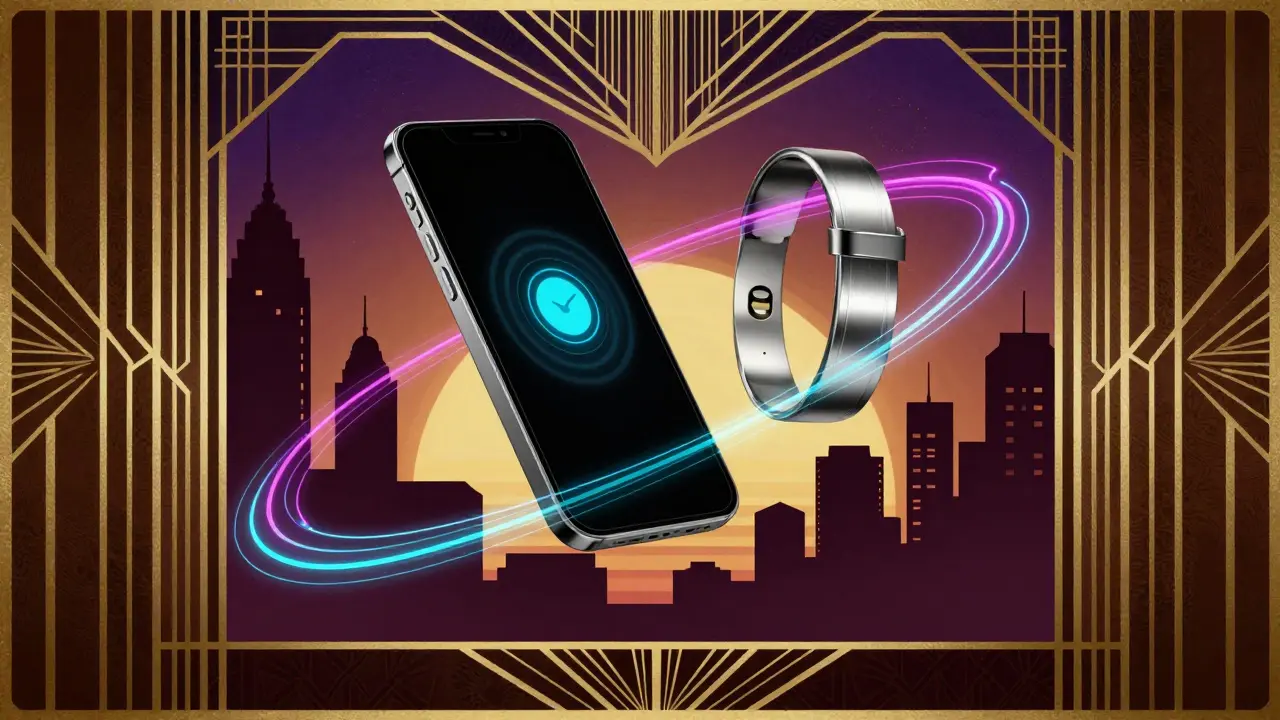
- NFC chips: American Medical ID's March 2024 release lets tap phones to view encrypted health records
- QR codes: Link to cloud-stored profiles updated via smartphone apps
- Smart rings: Emerging tech vibrating alerts when allergens detected nearby
This hybrid approach addresses the #1 limitation: static information. A 2024 JACI editorial noted digital updates happen 4x faster than re-engraving metal IDs. Always maintain both channels - power grids fail, but engraved steel survives hurricanes.
When Standard Alerts Fail
Even perfect setup can falter. Prepare backup protocols:
- Wallet cards: Carry laminated allergy sheets with same abbreviated codes. Place behind driver's license for quick access.
- Phone lock screen: Set emergency contact wallpaper visible without passcode.
- Travel kits: Pack spare medication AND replacement jewelry when flying internationally.
Remember the 2021 case where a traveler's scratched engraving became unreadable in Germany. Their German-translated wallet card worked while local staff waited for translation services.
Maintenance Checklist
Wear isn't set-and-forget. Follow this quarterly audit:
- Check engraving clarity under bright light - polish scratches immediately
- Verify contact info with family members every New Year's Day
- Test fit comfort after weight changes - adjust clasp tightness if gaps form
- Replace annually even if intact - metals degrade invisibly over time
Keep receipts dated. Insurance companies require proof of purchase for reimbursement claims.
Questions Answered
Does insurance cover medical alert bracelets?
Medicare Part B covers medically necessary devices. Contact your provider with doctor's prescription letter detailing severity. Private insurers often require prior authorization citing "anaphylaxis risk documentation."
Can kids wear medical alert jewelry safely?
Yes - choose breakaway chains under age 10. Lauren's Hope designs pediatric sizes with soft silicone cores. Update annually as children grow; improper sizing increases choking hazards.
What if I forget my bracele
Digital backups become critical. Enable Apple Watch's Medical ID or Android's Safety Clock widget. These sync automatically with physical IDs through MedicAlert's app ecosystem.
How quickly should I update my engraving?
Within 48 hours of any allergy diagnosis change. Delays cause 33% of outdated info errors per emergency department logs. Most providers ship new pieces in 5 business days.
Are medical alert devices legally protected?
FDA Class I regulation applies. Manufacturers must follow biocompatibility standards (ISO 10993). Laws vary by country regarding employer-provided IDs - consult local regulations.