Generic vs. Brand Name: Safety & Savings Calculator
Calculate Your Savings
Safety & Compatibility Check
Answer these questions to assess if you need special consideration when switching to generics.
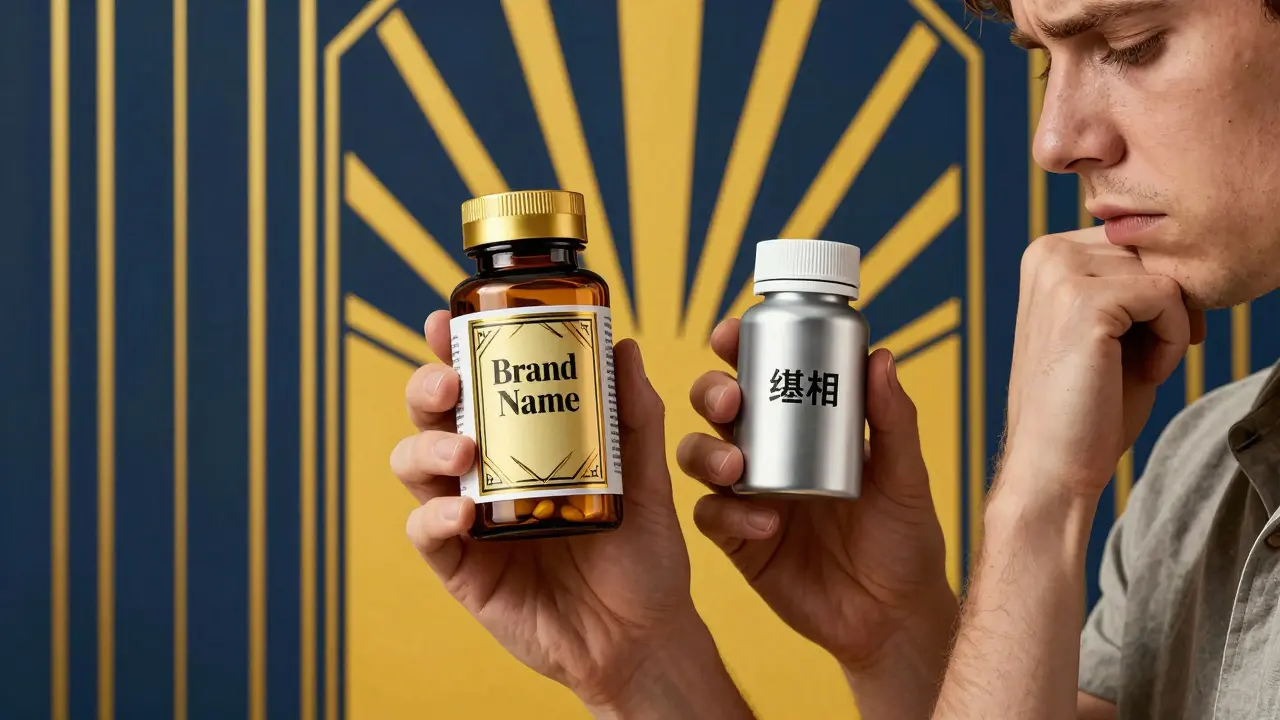
You pick up your prescription. The pharmacist hands you a bottle that looks different from the one in your memory. Maybe the color is off, or the shape is weird. You hesitate. Is this pill actually going to work? It’s a question that keeps millions of people awake at night, and it’s not just about money. We’ve all heard that generic drugs are cheaper, but when it comes to our health, "cheaper" can feel like a risky gamble.
The short answer? For the vast majority of medications, generics are just as safe and effective as their brand-name cousins. But the long answer involves some nuance, especially if you take medication for sensitive conditions like thyroid issues or heart rhythm disorders. Let’s cut through the marketing noise and look at what the science-and the regulations-actually say.
The Rules of the Game: What Makes a Generic "Generic"?
To understand why generics are considered safe, you have to look at how they get approved. In the United States, the Food and Drug Administration (FDA) doesn’t let companies just slap a new label on an old pill and call it a day. The process is governed by the Hatch-Waxman Act, passed in 1984, which created the Abbreviated New Drug Application (ANDA) pathway.
Here is the bottom line: A generic drug must be pharmaceutically equivalent to the brand-name drug. This means it has to contain the exact same active ingredient, in the exact same strength, dosage form, and route of administration. If you take a 50mg tablet of brand-name Lipitor, the generic atorvastatin must also be a 50mg tablet taken by mouth.
But matching ingredients isn’t enough. The body needs to absorb the drug properly. This is where bioequivalence comes in. The FDA requires manufacturers to prove that the generic delivers the same amount of active ingredient into your bloodstream in the same amount of time as the brand name. The acceptable range is tight: between 80% and 125% of the brand-name drug’s absorption rate. While that sounds like a wide margin, in pharmacokinetic terms, it ensures that the clinical effect remains identical for almost all patients.
| Feature | Brand-Name Drug | Generic Drug |
|---|---|---|
| Active Ingredient | Original formulation | Identical (100% match) |
| Inactive Ingredients | Proprietary mix | May differ (colors, fillers) |
| Bioavailability | Established baseline | Must be within 80-125% of brand |
| Clinical Trials | Large-scale human trials required | Bioequivalence studies only |
| Cost | High (covers R&D) | Low (80-85% less than brand) |
The Elephant in the Room: Inactive Ingredients
If the active stuff is the same, why do pills look different? Trademark law prevents generics from looking exactly like the brand name. So, manufacturers use different inactive ingredients-also known as excipients. These include dyes, binders, and fillers.
For most people, these differences don’t matter. But for a small subset of patients, they can cause issues. If you have a severe allergy to lactose, dye, or gluten, you need to check the inactive ingredient list. Some people report feeling "off" after switching from a brand to a generic. While often psychological (the nocebo effect), there are cases where a specific filler causes mild digestive upset or allergic reactions. This doesn’t mean the drug isn’t working; it just means your body dislikes the packaging material.
Narrow Therapeutic Index Drugs: The Exception to the Rule
Here is where things get tricky. Not all drugs are created equal when it comes to dosage precision. Some medications have a Narrow Therapeutic Index (NTI). These are drugs where a tiny change in blood concentration can lead to treatment failure or toxicity.
Think of warfarin (a blood thinner), levothyroxine (for thyroid replacement), phenytoin (for seizures), and digoxin (for heart failure). With these drugs, being 10% higher or lower in your system isn’t just a minor fluctuation-it can be dangerous. Because of this, the FDA exercises extra caution. They require additional monitoring when patients switch between brand and generic versions of NTI drugs.
A 2019 study published in JAMA Internal Medicine analyzed 1.5 million Medicare beneficiaries taking levothyroxine. The good news? They found no significant difference in adverse outcomes between brand and generic users over a year. However, experts like Dr. Aaron Kesselheim from Harvard Medical School note that while the *average* performance is identical, individual responses can vary slightly due to those inactive ingredients affecting absorption rates in sensitive stomachs.
What Do the Experts Say?
The scientific consensus is strong. Dr. Janet Woodcock, former Principal Deputy Commissioner of the FDA, has testified repeatedly that approved generics work the same way in the body as their brand-name counterparts. The FDA monitors approximately 12,000 generic manufacturing facilities worldwide. As of 2023, the agency reviews over 1,000 ANDA submissions annually, with an average approval time of 10 months.
However, skepticism exists. A 2017 Canadian study looked at nearly 136,000 seniors switching to generic blood pressure meds. They reported an 8-14% increase in emergency room visits. Critics argue this could be due to confounding factors, but it highlights why vigilance matters. On the flip side, data from the FDA’s Adverse Event Reporting System (FAERS) shows similar safety profiles: 1.7 adverse event reports per 100,000 prescriptions for generics versus 1.5 for brands. Given that generics make up 90% of all prescriptions dispensed in the U.S., this slight statistical bump is largely attributed to volume, not inferiority.

The Cost-Benefit Analysis
Why does anyone bother making generics if brands are so trusted? Money. And not just for the manufacturer. Brand-name drugs cost an average of $657 per prescription, while generics cost around $11. That’s an 80-85% savings. For the healthcare system, this is vital. From 2006 to 2020, the Medicare Part D program saved $1.67 trillion through generic utilization.
For you, the patient, this means affordability. But it also brings a risk: supply chain instability. The FDA reported 287 generic drug shortages in 2022, up 17% from the previous year. When a generic goes out of stock, pharmacies might switch you to a different generic manufacturer or back to the brand. This constant switching can disrupt therapy, especially for NTI drugs.
Practical Tips for Patients
So, how should you handle your next prescription? Here is a practical checklist:
- Know Your Meds: Ask your pharmacist if your medication is a Narrow Therapeutic Index (NTI) drug. If it is, discuss staying consistent with one manufacturer.
- Check for Allergies: If you have known allergies to dyes or fillers, ask for the inactive ingredient list of the generic version.
- Monitor Yourself: After switching from brand to generic, pay attention to how you feel for two weeks. Note any changes in efficacy or side effects.
- Don’t Self-Switch: Never swap brand and generic without telling your doctor or pharmacist. Consistency is key for accurate blood tests and dosage adjustments.
- Use the Orange Book: The FDA’s Orange Book lists therapeutic equivalence ratings. An "A" rating means the drug is substitutable. Most generics have this.
Remember, 92% of pharmacists agree that generics are therapeutically equivalent to brands. The fear often outweighs the risk. But staying informed empowers you to make the right choice for your body.
Are generic drugs really as safe as brand names?
Yes, for the vast majority of medications. The FDA requires generics to demonstrate bioequivalence, meaning they deliver the same active ingredient into your bloodstream at the same rate as the brand-name drug. Rigorous testing ensures they meet identical quality, purity, and strength standards.
Why do generic pills look different from brand names?
Trademark laws prevent generic manufacturers from copying the exact appearance of brand-name drugs. Therefore, generics may use different colors, shapes, and inactive ingredients (fillers and binders), though the active medicinal ingredient remains identical.
What are Narrow Therapeutic Index (NTI) drugs?
NTI drugs are medications where small changes in blood concentration can lead to serious side effects or treatment failure. Examples include warfarin, levothyroxine, and phenytoin. Patients on these drugs may need closer monitoring when switching between brand and generic versions.
Can I have an allergic reaction to a generic drug?
While rare, it is possible to react to the inactive ingredients (excipients) in a generic drug, such as dyes or fillers. If you experience unexpected side effects after switching, consult your pharmacist to review the inactive ingredient list.
How much cheaper are generic drugs compared to brands?
Generic drugs typically cost 80-85% less than their brand-name equivalents. This significant price difference helps reduce overall healthcare costs and improves access to essential medications for millions of patients.
Do big pharmaceutical companies make generic drugs?
Yes, many major brand-name companies also manufacture generics. For example, Pfizer produces generics through Greenstone LLC, and Novartis uses Sandoz. This overlap ensures that high-quality manufacturing standards are often maintained across both product lines.
What should I do if I feel worse after switching to a generic?
Track your symptoms and consult your doctor or pharmacist. They may recommend sticking with one manufacturer for consistency, adjusting your dose, or switching back to the brand name if clinically necessary, particularly for NTI drugs.
Is the FDA monitoring generic drug quality closely?
Yes, the FDA inspects generic manufacturing facilities regularly, averaging every 2.3 years. Under the GDUFA III agreement, inspection frequency is increasing to address global supply chain challenges and ensure ongoing compliance with strict quality standards.