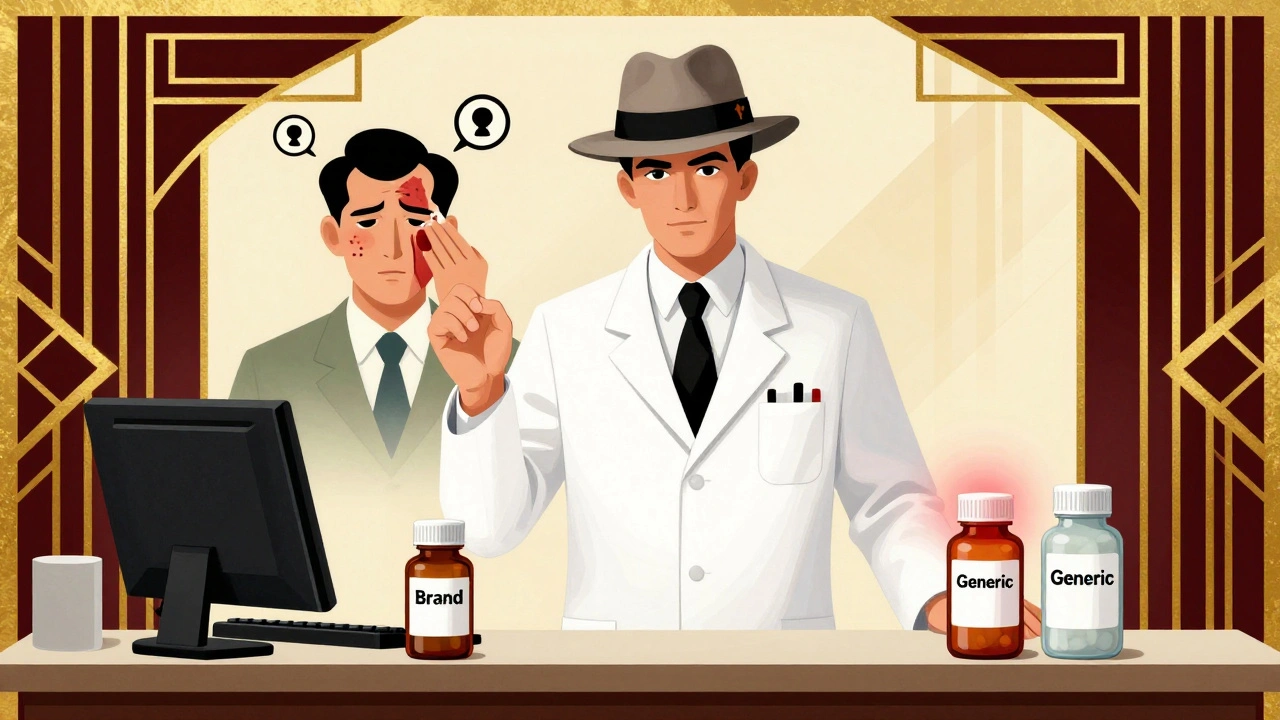
When a patient switches from a brand-name drug to a generic version, most people assume it’s exactly the same. But what if it’s not? What if the new pill causes a rash, dizziness, or worse - and no one connects the dots? Adverse event reporting isn’t just paperwork. For pharmacists, it’s a lifeline - a way to catch hidden dangers in generic medications before more people get hurt.
Why Generic Medications Need Extra Attention
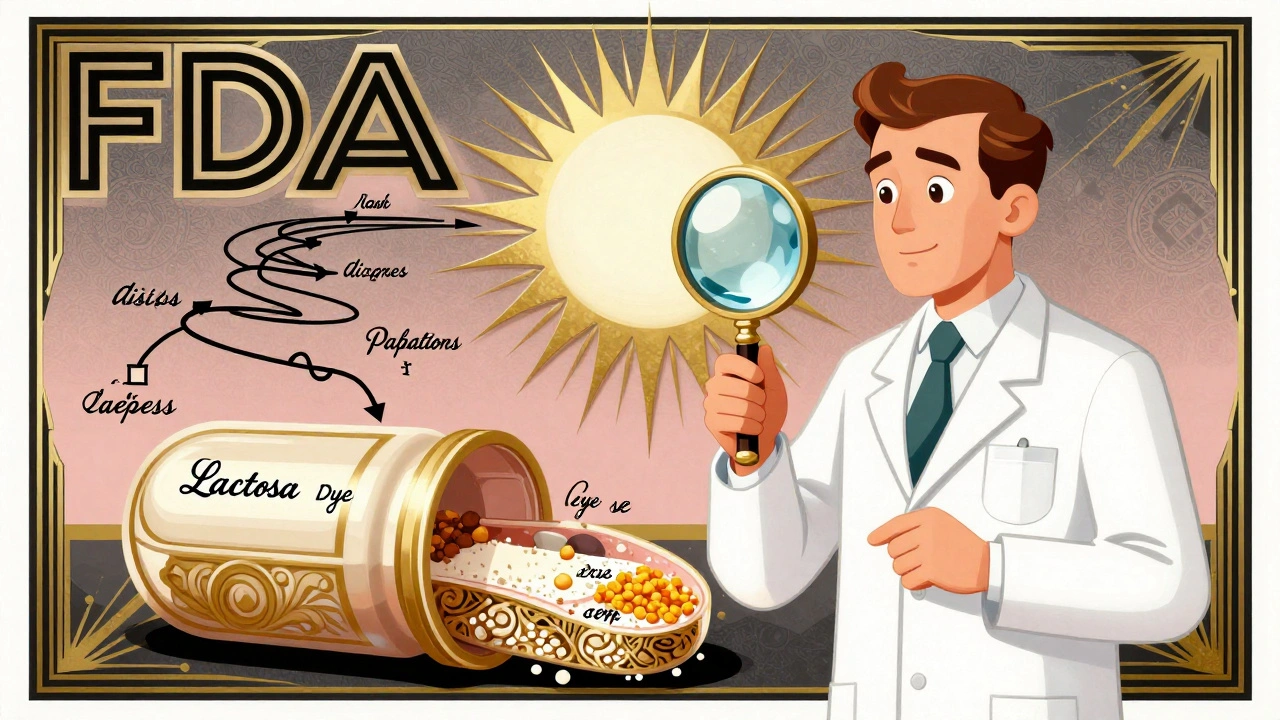
Generic drugs are supposed to be bioequivalent to their brand-name cousins. Same active ingredient. Same dose. Same effect. That’s the law. But here’s the catch: generics can differ in inactive ingredients - fillers, dyes, preservatives - and those can trigger reactions in sensitive patients. One person might tolerate a generic version of metformin just fine. Another might break out in hives or get severe diarrhea. Why? Maybe it’s the lactose in one brand, or the dye in another. Prescribers rarely know these details. Patients don’t either. But pharmacists? They see both the prescription and the patient’s reaction.According to the FDA’s FAERS database, over 2 million adverse event reports are filed each year. Less than 1% of actual reactions get reported. And for generics? The numbers are even lower. Why? Because many assume: "It’s generic - it’s safe." That assumption kills.
What Pharmacists Are Legally Required to Do
Rules vary by state and country, but the core duty is the same: if you suspect a drug caused harm, you report it. In British Columbia, pharmacists must legally notify the patient’s doctor, update PharmaNet, and report to Health Canada. In New Jersey, consultant pharmacists must document adverse events in medical records before their shift ends. In most U.S. states, it’s not legally required - but the FDA strongly urges it. And here’s the thing: if you don’t report, no one else will.Pharmacists are the last checkpoint before the drug hits the patient. We check for interactions. We counsel on side effects. We notice when a patient says, "This new pill makes me feel weird." That’s not just a conversation. That’s a signal. And it’s your responsibility to act.
The Real Barriers - Time, Training, and Trust
Let’s be honest: reporting takes time. A 2021 survey found 78% of community pharmacists spend 15 to 30 minutes per report. Most say they don’t have time during a busy day. Filling out paper forms or logging into MedWatch isn’t quick. It’s clunky. And if you’re juggling 20 prescriptions, a refill call, and a patient asking why their blood pressure meds aren’t working, reporting feels like an afterthought.But the bigger problem? Lack of awareness. Many pharmacists don’t know what counts as an adverse event. Is nausea after starting a new generic? Maybe. Is it just a side effect? Or is it something more? The British Columbia Pharmacists Association calls this "a recognized problem" - pharmacists don’t always know how to distinguish expected side effects from true adverse reactions.
And then there’s trust. Patients don’t always tell you everything. They might say, "I just feel tired," and brush it off. But if you ask the right way - "Has this happened since you switched to the new pill?" - you might uncover the link. That’s why training matters. You need to know what to look for, how to document it, and how to report it without delay.
How to Report an Adverse Event - Step by Step
You don’t need to be a detective. You just need to be thorough. Here’s how:- Recognize the pattern. Did the patient start the generic? Did symptoms appear within days? Did they improve after switching back? That’s a red flag.
- Document everything. Patient name (or initials), age, medication name (brand and generic), dose, start date, symptoms, onset time, duration, severity, and any other meds they’re on.
- Ask the patient. Don’t assume. Say: "Have you noticed any new symptoms since you started this version?"
- Report it. Use MedWatch Online (FDA’s portal) or your state’s system. If you’re in a hospital, use your EHR’s built-in reporting tool. Don’t wait. Serious reactions - like hospitalization, life-threatening symptoms, or permanent damage - must be reported within 15 days.
- Follow up. Call the prescriber. Let them know what you found. Share the report number. This isn’t just your job - it’s team care.
Some pharmacies now have automated reporting tools built into their software. California and Texas pilot programs cut reporting time by 40%. That’s huge. If your pharmacy doesn’t have this, push for it. Your patients deserve better.
Why Your Report Matters - Real Impact
A 2022 study in the Journal of the American Pharmacists Association found that when pharmacists actively reported adverse events, documentation increased by 37%. But only 28% reported non-serious - yet unexpected - reactions. That’s the gap. Those "minor" reactions? They’re the early warning signs.Think about this: a patient takes a generic version of levothyroxine and starts having heart palpitations. The doctor blames stress. The patient stops taking it. No one connects the dots. But if you report it - and enough pharmacists report the same thing - the FDA sees a pattern. They investigate. Maybe the generic has a different absorption rate. Maybe the coating is causing irritation. That’s how recalls happen. That’s how safety improves.
Dr. Michael Cohen from the Institute for Safe Medication Practices says it best: "When patients experience unexpected reactions to generics, pharmacists are often the first to recognize potential bioequivalence issues or excipient-related problems." You’re not just filling prescriptions. You’re the eyes and ears of the system.

What’s Changing - And What’s Coming
The European Medicines Agency made reporting mandatory for all healthcare pros in 2012. Reporting jumped 220%. Now, North America is watching. By 2025, analysts predict 75% of U.S. states will require pharmacists to report adverse events - just like British Columbia already does.The FDA’s Sentinel Initiative is now pulling data from community pharmacies. That means your reports could help detect problems in real time - not months later. And with AI tools scanning reports for patterns, your one report might trigger a nationwide alert.
This isn’t about blame. It’s about protection. Every report you file helps protect the next patient. The next mother. The next elderly man on six medications. Someone’s life could depend on it.
What You Can Do Today
You don’t need to wait for new laws. You don’t need a fancy system. Start now:- Keep a simple log: patient, drug, reaction, date. Even on paper.
- Ask every patient who switches to a generic: "How’s it going? Any new side effects?"
- Learn how to use MedWatch. It’s free. It’s online. It takes 10 minutes.
- Talk to your manager. Ask if your pharmacy can integrate reporting into your workflow.
- Share this with your colleagues. One pharmacist reporting is good. Ten is better. A whole team? That’s change.
Generic drugs save billions. But safety can’t be an afterthought. Your knowledge, your access, your trust - these are the tools no one else has. Use them.
Do pharmacists have to report adverse events by law?
It depends on where you practice. In British Columbia, reporting is legally required under the Health Professions Act. In most U.S. states, it’s not mandatory, but the FDA strongly encourages it. Even if it’s not required, failing to report when you suspect harm can be considered a breach of professional duty. Always check your state’s pharmacy board rules.
What counts as a serious adverse event?
Serious adverse events are those that result in death, are life-threatening, require hospitalization, cause permanent disability, lead to congenital malformations, or require medical intervention to prevent one of these outcomes. For example, a rash that clears up in a day isn’t serious - but anaphylaxis after taking a generic antibiotic is.
Can I report an adverse event if I’m not 100% sure the drug caused it?
Yes. You don’t need proof. You only need suspicion. The FDA’s goal is to catch patterns early. If a patient says, "This new pill made me dizzy," and you’ve seen three others with the same reaction, report it. The system is designed to filter out noise. Your report could be the first clue in a larger safety issue.
Why are generic medications more likely to cause hidden reactions?
Generics must match the brand-name drug’s active ingredient, but they can use different inactive ingredients - like fillers, dyes, or coatings. Some patients are sensitive to these. A patient allergic to corn starch might react to a generic made with it, while the brand version uses potato starch. These differences are rarely flagged by prescribers or patients. Pharmacists are the only ones who see both the drug label and the patient’s history.
How long do I have to report an adverse event?
For serious events, report to the manufacturer within 15 days. For non-serious but unexpected reactions, report as soon as possible - ideally within a week. The FDA doesn’t set strict deadlines for healthcare providers, but delays reduce the value of your report. Early reports help catch problems before they spread.
What if my pharmacy doesn’t have a reporting system?
Use MedWatch Online - it’s free, secure, and available 24/7. You can file a report in under 10 minutes. Print a copy for your records. Then, talk to your manager about integrating reporting into your pharmacy software. Many states are now partnering with pharmacy systems to make this automatic. Your initiative could start the change.
Been a pharmacist for 12 years. I’ve seen patients go from fine to hospitalized after switching generics. No one ever connects it until it’s too late. I report every time. Even if it’s just a rash. Someone’s gotta be the voice.
Agreed. The FDA’s FAERS database is garbage without pharmacist input. I document every change in symptoms post-switch-dose, brand, generic, timing. I’ve caught three cases of lactose intolerance masked as ‘GI upset’ just by asking the right question. It’s not hard. It’s just not rewarded.
Reporting is part of the job. Not optional. If you’re not doing it, you’re part of the problem.
Ugh this is so overblown. I’ve switched to generics my whole life and never had an issue. Why are we acting like these pills are poison? The FDA says they’re safe. End of story. Stop scaring people.
From India, we have this weird thing called ‘generic pride’-like cheaper = better. But I’ve seen elderly patients break out in rashes after switching. No one tells them about fillers. We need training. Not just forms. Real education.
Love this thread. So many of us are doing this quietly-documenting, nudging prescribers, asking patients ‘any new weirdness?’ It’s not glamorous, but it’s sacred work. Keep going. You’re making a difference.
Why are we even talking about this? The system’s broken. Pharmacists are overworked. The FDA doesn’t even respond to 90% of reports. Why bother? It’s performative activism with no teeth.
Oh please. You think your little report matters? The FDA ignores everything until a hundred people die. And then they blame the pharmacist for not speaking up sooner. Hypocrisy wrapped in a badge.
My pharmacy just got a new EHR plugin that auto-fills MedWatch from our script logs. Took 30 mins to set up. Now I report 5x more. No extra time. Just smarter tech. Your pharmacy can do this too. Ask your vendor.
Wow. So now we’re blaming pharmacists for the system’s failures? Let’s be real-pharma companies design generics to skirt bioequivalence. The fillers? They’re cheaper. The testing? Half-assed. You think a pharmacist’s report changes that? Lol.
You’re all missing the point. The real issue? No one checks if the generic is even from a reputable manufacturer. I’ve seen generics made in factories with zero FDA oversight. That’s the real danger. Not the dye. Not the filler. The source.