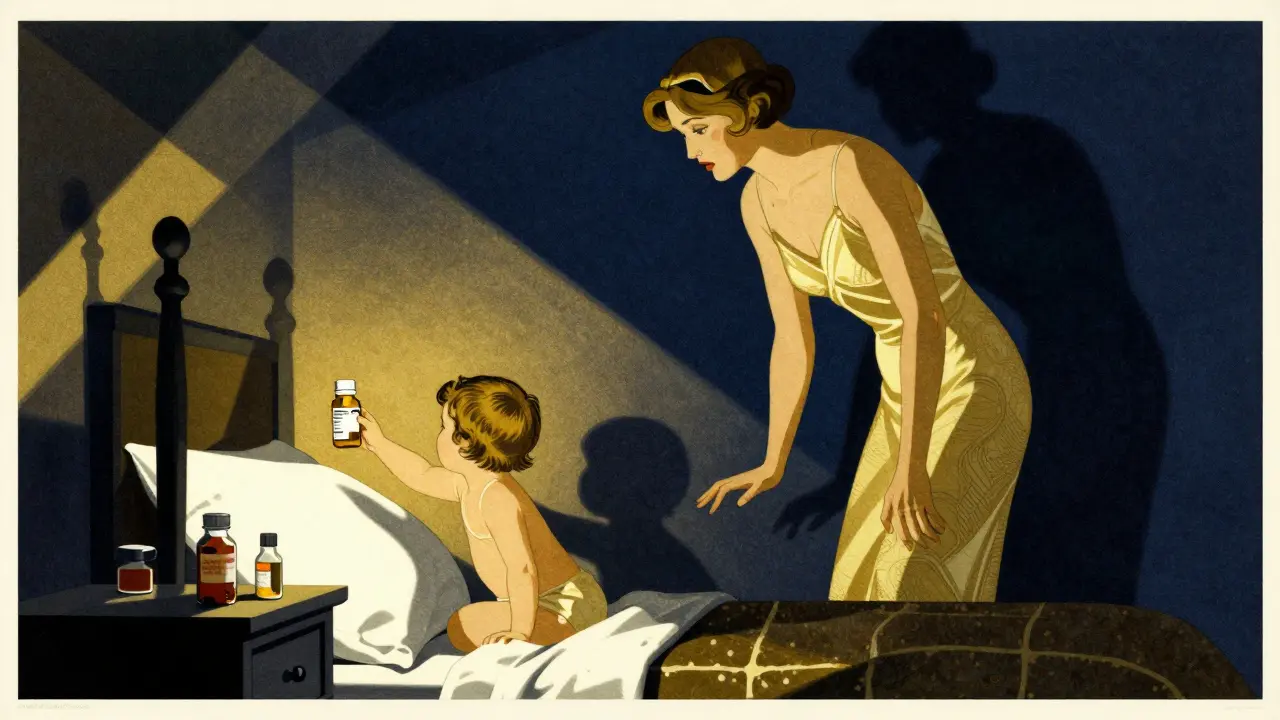
It’s 2 AM. You wake up to find your toddler standing on a stool, reaching for the bottle of painkillers on the nightstand. Or maybe you accidentally took double your usual dose of blood pressure medication because the clock was wrong after daylight saving time changes. Panic sets in instantly. Do you rush to the ER? Induce vomiting? Wait it out?
You don’t have to guess. You call Poison Control, which is a nationwide network of expert toxicologists providing immediate medical advice for potential poison exposures via phone, text, or online tools. This service isn't just for kids swallowing cleaning supplies; it is the first line of defense for medication errors, which make up nearly half of all calls. Knowing exactly how this system works and what specific details to report can mean the difference between a quick home remedy and a life-threatening hospital stay.
How the Poison Control System Operates
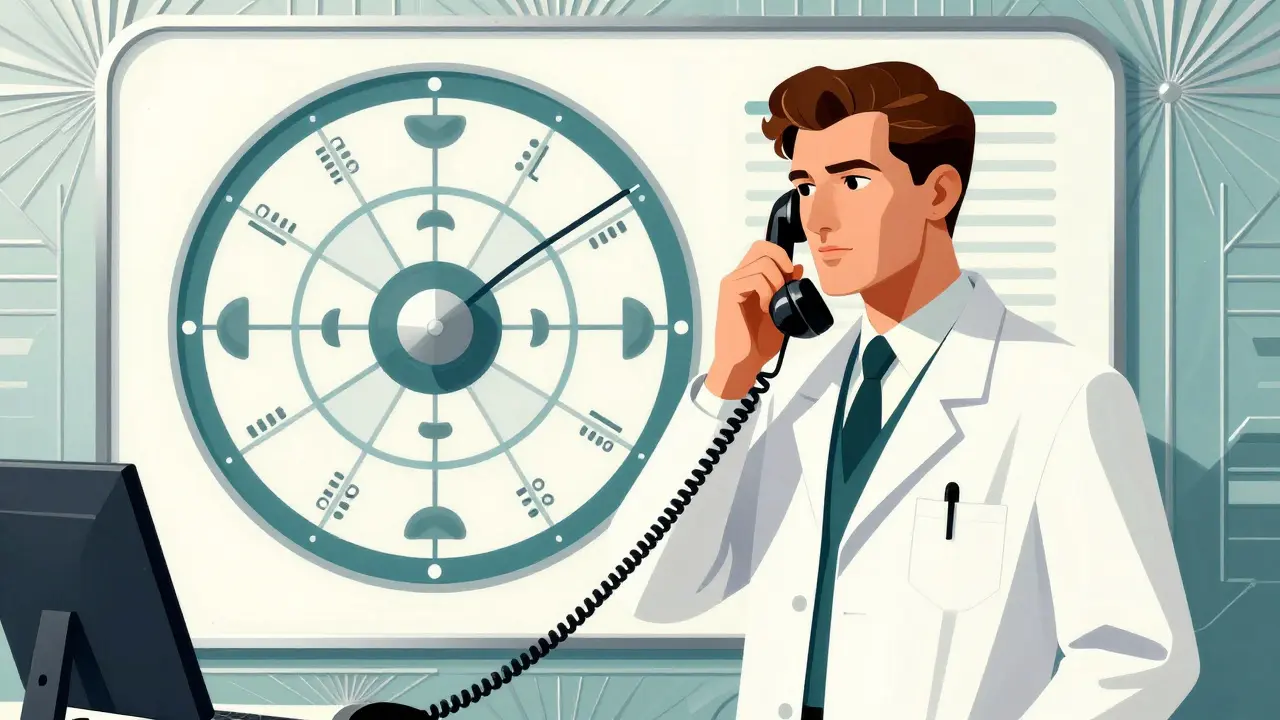
The United States operates one of the most robust poison control networks in the world. Established nationally in 2001, the system connects callers to one of 53 accredited centers managed by America's Poison Centers. When you dial the toll-free number 1-800-222-1222, you are not talking to a generic operator. You are routed automatically to your local center based on your area code. This ensures that if you need to go to a hospital, the specialists know exactly which facilities are nearby and their capabilities.
The people answering these calls are highly trained professionals known as Specialists in Poison Information (SPIs). Most are registered nurses, pharmacists, or physicians with specialized training in toxicology. About 70% hold advanced degrees in health sciences. They don’t rely on gut feelings; they use 1,540 evidence-based algorithms developed by toxicology experts. These protocols cover specific substances and exposure scenarios, ensuring that the advice you get is consistent, scientifically backed, and tailored to your specific situation.
You aren't limited to phone calls anymore. If you’re uncomfortable speaking aloud or need immediate assistance while driving, you can text 'poison' to 797979. Alternatively, the webPOISONCONTROL platform at poisonhelp.org allows you to input data into an algorithmic decision tree. This tool processes cases in about 2.6 minutes and has shown a 97.3% accuracy rate compared to human specialist recommendations. However, keep in mind that the online tool excludes intentional overdoses and complex cases involving more than two substances-those require a live specialist.
What to Have Ready Before You Call
When panic hits, memory fades. To get the best help, gather these six critical pieces of information before or during the call. The specialists need precise data to run their risk assessments.
- Exact Medication Name: Don’t just say "painkiller." Specify the brand and generic name, such as "Tylenol Extra Strength" or "acetaminophen." Include the strength per unit (e.g., 500mg).
- Precise Amount Ingested: Estimate the total quantity. Did they swallow 3 tablets? 15? Half a bottle? If it’s liquid, measure the volume in milliliters or teaspoons.
- Patient Age and Weight: Dosage toxicity varies wildly between a 20-pound child and a 200-pound adult. Provide weight in kilograms if possible, or pounds if that’s all you have.
- Time of Exposure: Be as specific as possible. "About 30 minutes ago" is better than "earlier today," but "3:15 PM" is ideal. Toxicity often depends on how much time has passed since ingestion.
- Current Symptoms: Note any physical reactions. Are they nauseous? Vomiting? Confused? Drowsy? Specific symptoms like "two episodes of vomiting at 4:30 PM" help specialists gauge severity.
- Other Substances: Mention if other medications, alcohol, or drugs were taken. Polypharmacy situations involve interactions between two or more drugs, which account for 32% of serious medication outcomes.
If you can’t find the exact bottle, take a photo of the label or the empty container. Many mobile apps linked to poison control services even allow barcode scanning to identify substances instantly.
Why Medication Errors Are So Common
Medication-related calls constitute approximately 45% of all poison exposures reported annually. This high percentage stems from common household habits. We store pills in open containers, mix prescriptions with over-the-counter remedies without checking for interactions, and sometimes misread dosing instructions due to poor lighting or vision issues.
Recent data shows a worrying trend. Pharmaceutical exposures rose by 18.7% between 2018 and 2022. Opioid-related incidents jumped 22.3%, sedatives increased by 19.8%, and cardiovascular medications saw a 15.6% rise. This surge highlights why accurate reporting matters more than ever. A small mistake with a heart medication can have drastic consequences, whereas a similar error with a vitamin might be harmless. The poison control specialists differentiate these risks immediately upon hearing the drug class.
Accidental pediatric ingestions remain the largest single category, accounting for 47% of cases. In 83% of these instances, specialists prevent emergency department visits entirely by guiding parents through safe home management steps. This saves families stress and reduces healthcare costs significantly. A 2019 study found that poison control recommendations saved the U.S. healthcare system roughly $1.8 billion annually by preventing unnecessary hospitalizations.
| Method | Best For | Limitations | Average Response Time |
|---|---|---|---|
| Phone (1-800-222-1222) | Complex cases, multi-drug exposures, intentional overdoses | Requires verbal clarity; may have wait times during peak hours | 8-12 minutes consultation |
| Text (797979) | Quiet environments, discreet inquiries, initial triage | Slower back-and-forth communication; not ideal for emergencies requiring immediate intervention | Variable |
| webPOISONCONTROL | Single-substance accidental exposures, non-intentional cases | Excludes intentional overdoses and >2 substance exposures | ~2.6 minutes |
The Follow-Up Process and Monitoring
Calling poison control doesn’t end when the call ends. For many medication exposures, monitoring is crucial. Specialists will schedule callback assessments based on the substance’s pharmacokinetics-the way the body absorbs, distributes, and eliminates the drug.
Take acetaminophen (Tylenol) as an example. Liver toxicity can develop silently over 24 hours. If you report an overdose, specialists will likely instruct you to monitor for nausea and fatigue, and they will attempt follow-up calls at 4, 8, and 24 hours. Data from the New Mexico Poison & Drug Information Center shows that 92% of these follow-up attempts are successfully completed. This proactive monitoring has prevented countless cases of liver failure.
In some cases, specialists may recommend administering activated charcoal or specific antidotes like N-acetylcysteine for acetaminophen toxicity, but only within critical time windows. One verified pharmacist on Reddit shared a story where following hotline instructions to administer N-acetylcysteine within eight hours prevented a child’s liver failure. This level of precise, timed intervention is only possible because the specialist tracked the timeline closely.
You will also receive an emailed summary of the interaction. This document includes the exact product identification, risk assessment, and management instructions. About 78% of users keep this record for future reference or to share with their primary care physician. It serves as a valuable medical record in case delayed symptoms appear later.
Privacy, Cost, and Accessibility
A major barrier to seeking help is fear of judgment or cost. The Poison Control Hotline is completely free. There are no user fees. The service is funded through a combination of government appropriations (62%), hospital subsidies (28%), and state grants (10%). You do not need to provide insurance information or personal identification to get help.
All centers maintain HIPAA-compliant systems with strict privacy protocols. Your conversation is confidential. However, be aware that privacy regulations have impacted data sharing. Since 2018, stricter interpretations of HIPAA by some healthcare facilities have reduced the availability of follow-up information by 18%. This means that while your call is private, getting detailed records from a hospital later might be harder if you were referred there. Still, the initial advice remains protected and secure.
Accessibility is another strong point. The service offers multilingual support covering over 150 languages through translation services. Whether you speak Spanish, Mandarin, or Arabic, you can get accurate toxicology advice. Additionally, 99% of Americans live within 200 miles of a poison center, ensuring rapid response capabilities if local transport is needed.
When to Go Directly to the Emergency Room
While poison control handles most cases, there are red flags that require immediate emergency services. Call 911 or go to the ER if the person:
- Is unconscious or unresponsive.
- Is having difficulty breathing or choking.
- Is experiencing seizures or convulsions.
- Has ingested a caustic substance (like drain cleaner) that causes immediate burning in the mouth or throat.
- Is showing signs of severe allergic reaction (swelling, hives, trouble breathing).
In these scenarios, do not wait for a poison control callback. Activate emergency services first, then call poison control en route if possible. The specialists can still guide EMS personnel on what to prepare for upon arrival.
Is calling poison control really free?
Yes, the service is completely free for callers. It is funded by government appropriations, hospital subsidies, and state grants. You will not receive a bill for the advice provided.
Can I use poison control for intentional overdoses?
The online webPOISONCONTROL tool does not handle intentional overdoses. For these cases, you must call the phone hotline (1-800-222-1222) or contact emergency services. Phone specialists are trained to handle crisis situations and can coordinate with mental health resources if needed.
What if I don't know the exact name of the medication?
Describe the pill as best you can: color, shape, size, and any markings on it. If you have the bottle, read the ingredients list. If it’s a foreign medication, provide the country of origin and the label text. Specialists can often identify drugs based on physical descriptions or chemical compositions.
Do I need to go to the ER if poison control says it's okay?
If the specialist advises home management, they have determined that the risk is low enough to monitor without hospital care. However, if symptoms worsen or new symptoms appear, seek emergency care immediately. You can always call back for reassessment.
How accurate is the online poison control tool?
The webPOISONCONTROL platform has a 97.3% accuracy rate compared to human specialist recommendations for eligible cases. It uses the same evidence-based algorithms as the phone specialists. However, it cannot handle complex multi-drug interactions or intentional overdoses.
Will my call be kept confidential?
Yes, all calls are HIPAA-compliant and confidential. No personal identification is required to receive advice. Your medical information is protected under strict privacy protocols.
I had no idea the text option existed! That is actually really handy for when you are in a quiet place or maybe driving and cant talk. It feels safer to just type out what happened rather than having to explain it over the phone while panicking. The accuracy rate on the web tool is also pretty impressive, right? I guess technology is helping us stay safer in more ways than one these days.
It is fundamentally absurd that society relies on a centralized bureaucratic apparatus for such critical medical triage. The notion that one can simply dial a number and receive expert toxicological advice from a stranger is fraught with epistemological peril. One must question the validity of algorithms developed by individuals who have never experienced the visceral reality of poisoning themselves. Furthermore, the reliance on HIPAA compliance as a shield for privacy is laughable in an era of ubiquitous data mining. The state does not care about your secrets; it cares about liability mitigation. You are better off consulting the primary source material yourself rather than trusting the fallible interpretations of underpaid specialists.
Let's unpack the pharmacokinetic implications here, shall we? The article mentions N-acetylcysteine administration within specific temporal windows, which is crucial for hepatic preservation in acetaminophen toxicity scenarios. From a clinical perspective, the distinction between first-order and zero-order kinetics becomes vital when calculating risk assessments for polypharmacy interactions. We often see laypersons underestimate the bioavailability variations based on gastric pH levels or concurrent food intake. It is imperative that we educate the masses on the importance of precise dosing metrics, lest we face a surge in preventable acute kidney injuries or liver failures. The algorithmic decision trees used by webPOISONCONTROL are robust, but they lack the nuanced contextual understanding that a seasoned toxicologist brings to the table regarding idiosyncratic drug reactions.
Wake up sheeple! They want you to call them so they can track your medication usage and build a database of your health vulnerabilities. Who do you think funds these centers? Big Pharma wants to know exactly how many people are misusing their products so they can adjust their marketing strategies. Don't be a fool and give away your private information just because some government-funded hotline tells you to. If you take too much Tylenol, just drink water and wait it out like our ancestors did. Trust no one but yourself when it comes to your body. This is all part of the great reset to control our healthcare freedom.
I think this is such a helpful resource for everyone to know about. It really takes the fear out of those scary moments when you worry you made a mistake. Knowing that there are experts ready to help without judgment makes me feel so much more at ease. We should all share this with our friends and family so they feel supported too. Life is full of accidents, but having a safety net like this is beautiful.
boring read lol :/
Oh look another piece of propaganda designed to keep the uneducated masses dependent on the medical industrial complex. The average joe cannot possibly understand the nuances of toxicology yet here we are being spoonfed simplistic instructions as if we are children. It is quite amusing how people blindly trust these 'specialists' who probably haven't studied anything beyond the basic textbooks since they got their degrees decades ago. The idea that a phone call can replace actual medical supervision is laughable at best and dangerous at worst. People need to learn to read labels properly instead of relying on some bureaucrat in a call center to save their bacon every time they make a simple error.
hey guys i work in emergency medicine and i can tell u that poison control is legit awesome. we get calls from them all the time before patients arrive and it helps us prep way better. dont ignore them just because ur scared or think its a scam. they saved my nephew once when he ate something bad. trust the process ok? its free and confidential so whats not to love. just keep the bottle nearby if u can so they can see the ingredients. hope nobody ever needs it but good to know its there.
This is fascinating! In my country, we don't have such a comprehensive system, so hearing about this network makes me appreciate the accessibility here. It's interesting how different cultures approach healthcare emergencies. Some places rely heavily on community elders for herbal remedies, while others go straight to hospitals. I wonder if the cultural stigma around admitting mistakes plays a role in why some people hesitate to call? Maybe sharing stories like this could help break down those barriers and encourage open communication about safety.
You are all missing the point entirely. The real issue is not whether poison control works, but why we live in a society where accidental poisoning is even a possibility. Why are medications stored so carelessly? Why do we allow children access to dangerous substances? Blaming the victim for calling poison control is pathetic. Instead of praising this service, we should be condemning the negligence that necessitates its existence. Your complacency is disgusting. Do not thank the fire department for putting out the fire you started; apologize for lighting the match.