
Statin Discontinuation Risk & Safety Assessor
Select the scenario that best matches your situation.
Select options above to see analysis.
Imagine taking a pill every single day for years, told it is essential for your survival. Now imagine being told you might not need it anymore-or that the risks of taking it now outweigh the benefits. This is the reality for millions of people facing statin discontinuation, which refers to the cessation of HMG-CoA reductase inhibitor therapy commonly prescribed for cardiovascular disease prevention. Statins are among the most widely prescribed medications in history, yet nearly one in five patients stops taking them for at least twelve months. The question isn't just whether you should stop, but how to do it without triggering a heart attack or stroke.
We often treat medication as a 'set it and forget it' solution. But human bodies change. Health status changes. What protected you at age fifty might burden you at eighty. Understanding when to pause or permanently stop this therapy requires looking beyond generic advice and into your specific health timeline.
The Real Reasons People Stop Taking Statins
Why do people quit? It is rarely because they simply forgot to refill their prescription. Data from a comprehensive study by Zhang et al., published in PMC, shows that approximately 19% of patients discontinue all statin therapy for over a year in routine care settings. The drivers behind this number are complex.
The primary culprit is fear. A 2019 study in the Journal of the American Heart Association (JAHA) found that patient-reported reasons for quitting were dominated by fear of side effects and perceived adverse reactions. Muscle pain, specifically myalgia, is the most frequently reported issue leading to discontinuation. Many patients feel like they are trading one problem for another: saving their heart while destroying their muscles.
However, life events play a massive role too. Hospital admissions significantly increase the odds of discontinuation. Research published in the European Heart Journal identified that admission to a skilled nursing home increases the adjusted odds ratio (aOR) of stopping statins by 2.66. Metastatic solid tumors raise this risk further (aOR 2.22). When life gets complicated, medication lists get cut. Often, these cuts happen without a strategic plan, leaving patients vulnerable.
When Stopping Is Actually Safe (and Prudent)
Not everyone who stops statins makes a mistake. In fact, for some groups, continuing them may cause more harm than good. The concept of deprescribing is the planned process of reducing or stopping medications that are no longer beneficial or where harms outweigh benefits. becomes critical here.
If you have a limited life expectancy-specifically less than two years-the math changes completely. Statins work slowly. They reduce cardiovascular risk over years. If your prognosis is measured in months due to terminal illness, the protective benefit of lowering cholesterol has not had time to manifest. MyPCnow’s 2023 Fast Fact on end-of-life care notes that discontinuing statins in patients with a prognosis of less than two years is safe and prudent. It reduces pill burden and potential side effects during the final chapter of life.
For older adults with multiple chronic conditions (multimorbidity), the decision is nuanced. The American Geriatrics Society guidelines suggest considering discontinuation in patients with poor health status. Scott et al.’s 2015 article in JAMA Internal Medicine supports reducing inappropriate polypharmacy in these cases. If you are frail, experiencing frequent falls, or suffering from sarcopenia (muscle loss), adding a drug that can exacerbate muscle weakness might be counterproductive.
| Patient Profile | Risk of Stopping | Recommendation |
|---|---|---|
| Secondary Prevention (History of Heart Attack/Stroke) | High: 1 major event per 77 discontinuers per year | Continue unless severe adverse effects or end-of-life |
| Primary Prevention (No History of CVD) | Moderate: 1 major event per 112 discontinuers per year | Re-evaluate regularly; consider stopping if high burden |
| Limited Life Expectancy (< 2 Years) | Low: No significant short-term mortality impact | Safely discontinue to reduce pill burden |
| Severe Muscle Side Effects | Variable: Depends on alternative therapies | Switch statin, lower dose, or try non-statin alternatives |

The Hidden Danger: Rebound Risk After Quitting
Here is where many people get it wrong. They stop their statin, feel great for three months, and assume they are fine. Then, the cardiovascular clock catches up. A pivotal 2021 study in JAMA Network Open by Thompson et al. revealed stark differences in outcomes based on why you were taking the drug in the first place.
For patients with established cardiovascular disease (secondary prevention), stopping statins led to an excess risk of one major adverse cardiovascular event (MACE) for every 77 people who stopped, per year. For those without prior heart disease (primary prevention), the risk was lower but still significant: one extra MACE for every 112 discontinuers per year. These numbers matter. They show that the protection provided by statins does not vanish instantly, but neither does the risk return to baseline immediately. The body adjusts, but the plaque in your arteries remains.
This creates a dangerous window. If you stop abruptly without a backup plan, you are unprotected against the very events the drug was preventing. This is why 'cold turkey' cessation is rarely recommended unless medically necessary for acute toxicity.
How to Manage the Transition Safely
If you and your doctor decide to stop, do not just throw the bottle away. You need a strategy. The process should involve shared decision-making, transparent discussions about harms versus benefits, and a monitoring plan.
- Assess the Reason: Are you stopping due to side effects, cost, or end-of-life care? If it is side effects, consider switching to a different statin (like rosuvastatin or pravastatin) or trying a lower dose before quitting entirely. Some patients tolerate intermittent dosing (e.g., twice a week) effectively.
- Gradual Reduction: For long-term users, especially those on high doses, gradual tapering may help minimize physiological shock, though evidence on this is mixed. Consult your pharmacist or cardiologist for a schedule.
- Monitor Lipid Levels: Check your LDL cholesterol 4-8 weeks after stopping. Without the drug, levels will rise. Knowing your new baseline helps determine if lifestyle changes alone are enough or if you need an alternative therapy.
- Enhance Lifestyle Interventions: You cannot replace a potent drug with a salad overnight, but you must maximize non-pharmacological methods. Focus on Mediterranean-style diets rich in fiber, omega-3 fatty acids, and regular aerobic exercise. These interventions have modest but real effects on lipid profiles.
- Consider Alternatives: If statins are intolerable, ask about PCSK9 inhibitors, bile acid sequestrants, or ezetimibe. These are non-statin options that lower cholesterol through different mechanisms. They are often more expensive and may require injections, but they spare the muscles.
Clinical pharmacists are invaluable resources here. As noted in the JAMA Internal Medicine framework, they can help navigate the complexities of deprescribing, ensuring that stopping one drug doesn’t negatively interact with others you take for blood pressure or diabetes.
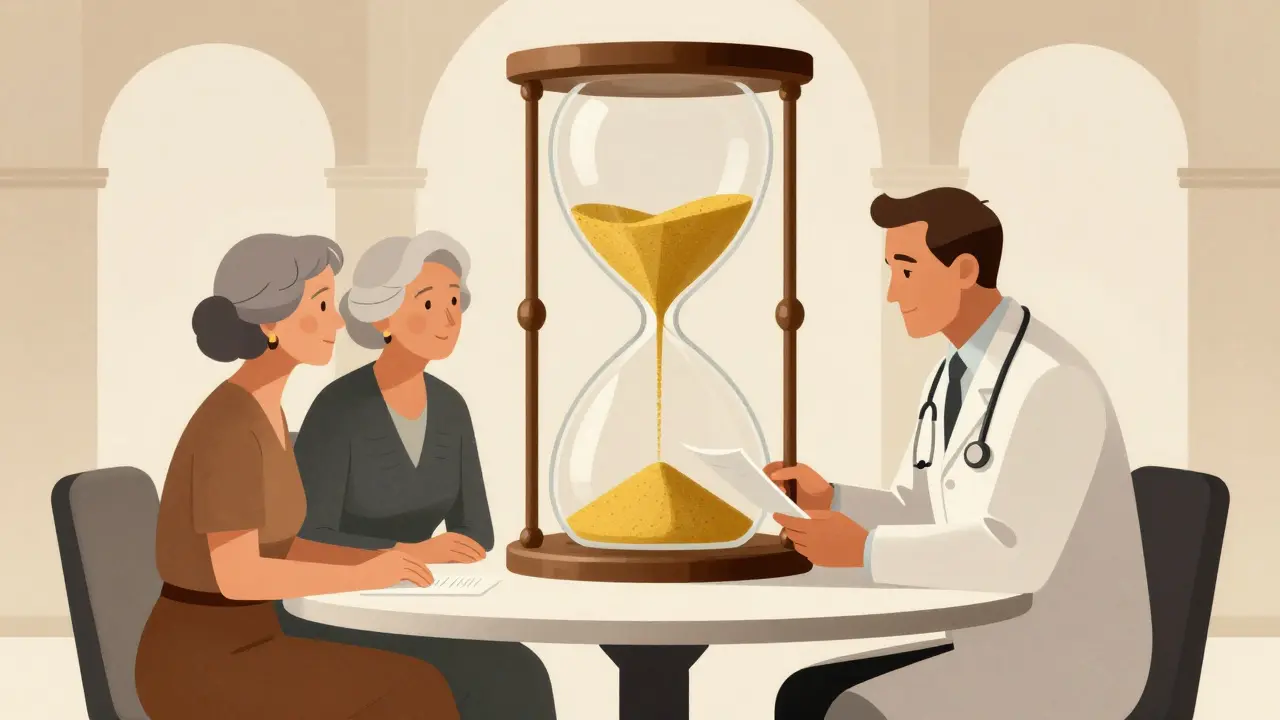
Navigating Patient Anxiety and Doctor Hesitation
There is a psychological barrier to stopping statins. Patients often report anxiety about increased cardiovascular risk, even when data suggests stopping might be appropriate. Conversely, doctors are trained to prescribe, not deprescribe. Electronic medical records often default to labeling discontinued drugs as 'No longer necessary,' which obscures the true reason-whether it was side effects, patient preference, or clinical judgment.
This gap leads to frustration. Patients feel locked into a lifelong commitment without periodic reevaluation. The ongoing 'Discontinuing Statins in Multimorbid Older Adults' randomized controlled trial (NCT03768536) aims to address this by assessing safety in primary prevention for older adults with multiple health issues. While results are pending, early hypotheses suggest non-inferiority in safety margins for certain groups.
You have the right to ask: 'Do I still need this?' Bring this up at every annual physical. Show your symptoms. Discuss your quality of life. If muscle pain is affecting your ability to walk or enjoy life, that is a valid medical concern. Your doctor should not dismiss it as 'just getting old.'
Future Directions: Personalized Cardiovascular Care
The future of statin therapy is moving away from one-size-fits-all. With the global statin market hitting $19.4 billion in 2022 despite generics being available, there is immense pressure to refine who actually needs these drugs. Companies like Myriad Genetics are developing genetic tests to predict statin response and side effect risks. Imagine knowing before you take the first pill whether you are likely to experience muscle pain.
Biomarkers and advanced risk calculators are emerging to help clinicians determine optimal treatment duration. The goal is not to demonize statins-they save millions of lives-but to personalize their use. For the young person with high cholesterol and a family history of early heart attacks, statins are a shield. For the 85-year-old with dementia and mobility issues, they may be a burden.
As we age, our priorities shift. From longevity to quality of life. Statin discontinuation is not a failure of therapy; it can be a success of personalized medicine. It means you listened to your body, consulted the evidence, and made a choice that aligns with your current reality.
Can I stop taking statins suddenly?
It is generally not recommended to stop statins abruptly without consulting your doctor, especially if you have a history of heart disease. Sudden cessation can lead to a rapid rise in LDL cholesterol and increase the risk of cardiovascular events. However, in cases of severe allergic reaction or acute liver injury, immediate discontinuation under medical supervision is necessary. For routine deprescribing, a gradual approach or close monitoring is preferred.
What happens to my cholesterol if I stop statins?
Your LDL cholesterol levels will likely rise back to their pre-treatment baseline within a few weeks. Statins work by inhibiting an enzyme in the liver; once the drug leaves your system, this inhibition ends. This does not mean your arteries instantly become blocked again, but your long-term risk profile returns to what it would be without the medication. Regular blood tests are essential to monitor this change.
Are there natural alternatives to statins?
Yes, but they are less potent. Dietary changes such as increasing soluble fiber (oats, beans), consuming plant sterols, and eating foods rich in omega-3 fatty acids (salmon, flaxseeds) can lower LDL modestly. Supplements like red yeast rice contain compounds similar to lovastatin and should be treated with caution as they carry similar side effect risks. Always discuss supplements with your doctor, as they can interact with other medications.
Is it safe to stop statins if I am over 80?
For many individuals over 80, especially those with multiple chronic conditions or limited life expectancy, stopping statins may be safer and improve quality of life. The benefits of statins accrue over years, so if your life expectancy is less than two years, the preventive benefit is minimal. However, if you have recently had a heart attack or stroke, the decision is more complex and requires careful evaluation by a geriatrician or cardiologist.
How do I know if my muscle pain is from statins?
Statins can cause myalgia (muscle pain) without elevating muscle enzymes, making diagnosis tricky. A common test is the 'drug holiday': your doctor may advise you to stop the statin for 2-4 weeks. If the pain resolves and returns upon restarting, it is likely statin-induced. Other causes like arthritis, thyroid issues, or vitamin D deficiency should also be ruled out. Switching to a different statin or lowering the dose often resolves the issue.
It is so refreshing to see an article that actually validates the experience of people who have been told their pain is 'just in their heads' for years. I stopped taking mine after developing severe muscle weakness that made walking up stairs impossible, and my doctor initially refused to believe me until I threatened to leave his practice. It took three months of physical therapy to get back to baseline, but my quality of life has improved immensely since then. We need more doctors who listen to patients rather than just following rigid protocols without considering individual suffering.
The pharmaceutical industry spends billions ensuring you never stop taking these drugs because they know the long-term data isn't pretty. They want you dependent for life. The 'side effects' are just the body's natural defense mechanism trying to tell you something is wrong with the chemical cocktail they are pumping into your system. Wake up before it is too late.
One must consider the ontological implications of pharmacological dependency on one's sense of self. The modern medical-industrial complex seeks to homogenize human physiology through mass-produced inhibitors, ignoring the unique biochemical tapestry of each individual. To cease statin use is not merely a medical decision but a philosophical reclamation of bodily autonomy from the hegemonic narrative of risk reduction. :)
i feel like most people here are missing the point entirely its not about the pills its about how weak weve become as a society relying on chemicals instead of actual discipline if you cant handle your cholesterol with diet then you deserve the heart attack honestly why do we even bother talking about this when the solution is just eating less sugar and moving more
This article conveniently ignores the fact that many patients are coerced into starting statins by aggressive marketing campaigns that fear-monger about cardiovascular risk. Who is funding the studies that claim discontinuation is safe? Is it really independent research or just another way to shift liability away from big pharma when patients suffer adverse reactions? We need full transparency on the financial conflicts of interest behind every guideline mentioned here.
I work as a pharmacist and I can tell you that deprescribing is becoming a much bigger part of our job especially for older adults. It is not about saying the drug is bad but about matching the treatment to the patient current health status. If someone is frail or has a limited life expectancy the benefits of lowering cholesterol over ten years do not outweigh the immediate side effects. Always talk to your healthcare team before making changes though.
Interesting perspective on the rebound effect. In India we often see patients stopping medication abruptly due to cost or fear which leads to complications later. A gradual approach under supervision seems the only logical path forward. The cultural stigma around chronic medication also plays a role here where people prefer alternative remedies despite lack of evidence. Education is key.
lol i tried quitting cold turkey once and felt amazing for two weeks then got super anxious all the time maybe placebo effect or maybe withdrawal who knows but i went back on them bc my doc said id die otherwise so here we are :) still hurts my muscles tho
You got this! Its totally normal to feel confused about meds but dont let anyone make you feel stupid for asking questions. Your body knows best and if something feels off trust that gut feeling. Talk to your doc and find a plan that works for YOU not for some generic chart. Stay strong and keep advocating for your own health!