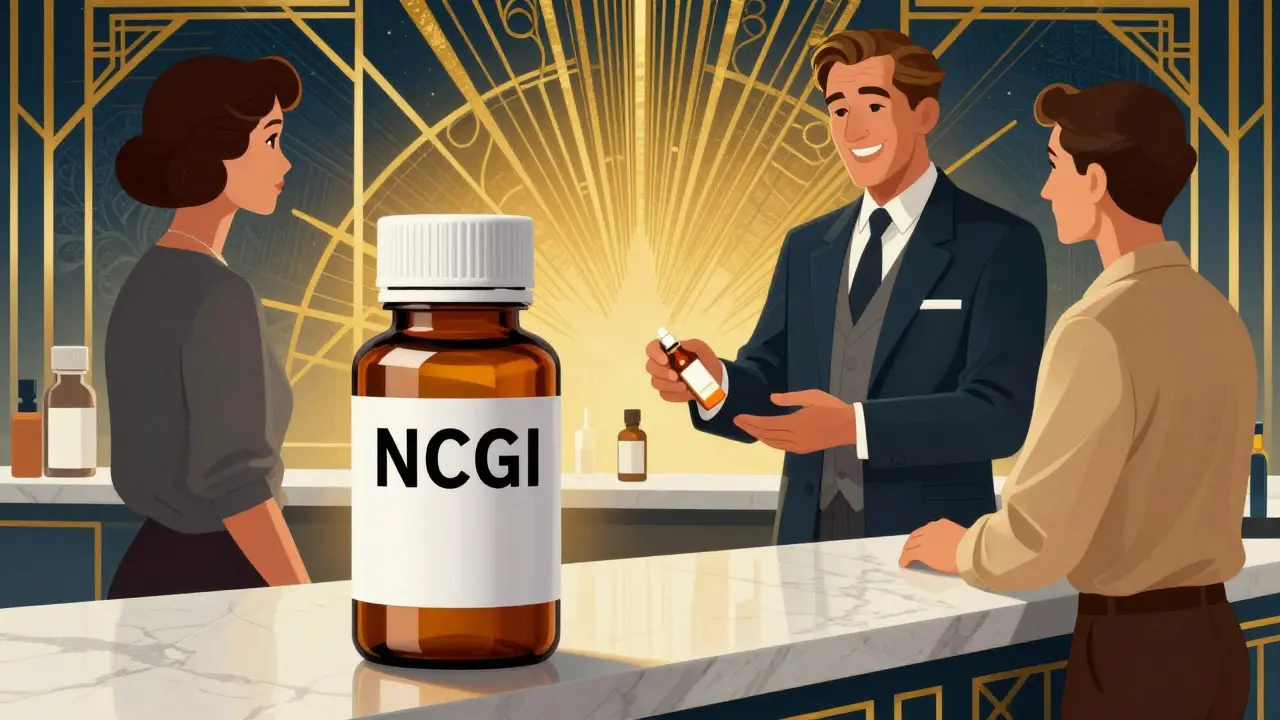
Imagine this: you’ve been taking the same prescription pill every morning for years. It keeps your blood pressure steady, your cholesterol in check, or your thyroid balanced. One day, the pharmacy hands you a box that looks slightly different. The price tag is a fraction of what you used to pay, but the name on the bottle has changed. This is the reality for millions of people managing chronic conditions who rely on long-term daily medications known as maintenance drugs. You might wonder if this switch to a generic version will affect how you feel. Will it still work? Is it safe?
The short answer is yes, for most people. But the transition isn’t always seamless. Understanding what’s happening with your medication can help you navigate the change without anxiety. Let’s look at why these switches happen, what the science says about their effectiveness, and how you can manage the transition smoothly.
What Are Maintenance Medications?
Maintenance medications are not just occasional painkillers or antibiotics you take for a week. These are drugs you take regularly-often daily-to manage health issues that don’t go away on their own. According to the Central States Joint Board, these include treatments for diabetes, high blood pressure, arthritis, asthma, depression, and thyroid disorders.
Think of them like the oil change for your car. You don’t do it because the car is broken; you do it to keep it running smoothly over the long term. In 2023, approximately 85% of all treatments for chronic conditions involved these types of drugs. They are the backbone of modern chronic disease management.
The Rise of Generic Drugs
If you look at any pharmacy shelf today, you’ll see that generics dominate. About 90% of all prescriptions filled in the United States are for generic drugs. Why? Because they cost significantly less. For example, a 30-day supply of brand-name Lipitor (atorvastatin) for cholesterol can cost nearly $378, while the generic version costs less than $1 at many major chains.
This isn’t just about saving money on your wallet. The Congressional Budget Office reported in 2022 that generic drugs save the U.S. healthcare system around $313 billion annually. When more people can afford their medication, they take it consistently. Studies show that patients on generic maintenance meds have 12-15% higher adherence rates, leading to 23% fewer hospitalizations for complications.
| Medication Type | Brand-Name Cost (Approx.) | Generic Cost (Approx.) | Savings |
|---|---|---|---|
| Atorvastatin (Cholesterol) | $378.50 / 30 days | $0.99 / 30 days | ~$377.51 |
| Insulin Glargine (Diabetes) | $345.72 / vial | $98.50 - $285.00 / vial | ~$56 - $247 |
| Levothyroxine (Thyroid) | $30.00 / 30 days | $4.00 / 30 days | ~$26.00 |
Are Generics Really the Same?
This is the biggest concern for many patients. The Food and Drug Administration (FDA) requires generic drugs to be "bioequivalent" to their brand-name counterparts. This means they must deliver the same amount of active ingredient into your bloodstream at the same rate. The FDA mandates that the confidence interval for this ratio falls between 80% and 125%.
In plain English, the generic works the same way in your body as the brand-name drug. The active ingredient-the part that actually treats your condition-is identical in strength and dosage form. The only differences lie in inactive ingredients, such as fillers, binders, or dyes, which give the pill its color and shape.
For the vast majority of maintenance medications, these inactive ingredients make no difference to therapeutic outcomes. Dr. Aaron Kesselheim from Harvard Medical School noted in JAMA Internal Medicine that generics represent "tremendous value" for patients managing chronic conditions because they are therapeutically equivalent.
When Caution Is Needed: Narrow Therapeutic Index Drugs
While generics are safe for most, there is a small group of medications where precision matters more. These are called narrow therapeutic index (NTI) drugs. Examples include warfarin (blood thinner), levothyroxine (thyroid hormone), and phenytoin (seizure control).
With NTI drugs, even slight variations in absorption can lead to significant changes in blood levels. A 2021 study by the Endocrine Society found that switching between different manufacturers of levothyroxine caused TSH level fluctuations in 5-8% of patients. Dr. Elizabeth Pearce, past president of the American Thyroid Association, advises that patients stabilized on a specific brand should try to maintain that product to avoid disrupting hormone balance.
If you are taking an NTI drug, talk to your doctor before switching. They may recommend sticking with one manufacturer or monitoring your blood levels more frequently during the transition.
Navigating the Transition: Practical Tips
Switching from a brand-name to a generic maintenance medication is usually straightforward, but it helps to be prepared. Here is how to handle the change effectively:
- Track Your Symptoms: For the first 30 days after switching, keep a simple log. Note any new side effects, changes in energy levels, or shifts in your condition’s symptoms. Apps like the FDA’s Medication Tracker can help.
- Check the Manufacturer: Sometimes pharmacies switch suppliers without notice. If you feel worse, ask your pharmacist which company made your current pills. Consistency with one manufacturer can reduce variability.
- Don’t Stop Taking Them: It’s tempting to go back to the brand-name drug if you feel uncertain, but stopping treatment abruptly can be dangerous. Always consult your provider first.
- Ask About Inactive Ingredients: If you have allergies or sensitivities (like gluten or lactose), check if the generic contains those substances. Most don’t, but it’s worth verifying.

Insurance and Access
Your insurance plan likely encourages generic use. Many plans, including Blue Cross Blue Shield of Kansas, mandate generic substitution for maintenance drugs unless a doctor provides medical justification for the brand-name version. Prior authorization for brand-name drugs is difficult; only about 14% of requests are approved according to a 2022 analysis by the Healthcare Financial Management Association.
To get approval, you typically need proof that you tried at least two generic alternatives and experienced therapeutic failure. This documentation process can be time-consuming, so it’s best to start early if you suspect the generic isn’t working for you.
Patient Experiences and Perceptions
Human experience varies. A 2023 survey on Drugs.com of over 2,400 patients showed that 41% noticed no difference when switching to generics. Another 32% appreciated the lower cost with no change in efficacy. However, 19% reported minor side effects that resolved within weeks, and 8% discontinued the generic due to perceived reduced effectiveness.
Skepticism is common, especially with psychiatric medications. The National Alliance on Mental Illness found that 34% of patients worried about switching antidepressants despite clinical evidence of equivalence. Often, these concerns stem from the "nocebo effect," where expecting a negative outcome causes actual symptoms. Being informed and patient during the adjustment period can help mitigate this.
Looking Ahead: Future of Generic Care
The landscape of generic maintenance medications continues to evolve. The FDA approved 79 new generic drugs for chronic conditions in the first half of 2023 alone, including versions of Jardiance for diabetes and Entresto for heart failure. With patent expirations for blockbuster drugs like Eliquis expected in 2026, more options will become available soon.
Regulatory bodies are also tightening quality controls. The FDA’s GDUFA III program, implemented in 2022, sets stricter standards for complex generics like inhalers and injectables. Additionally, the Inflation Reduction Act capped insulin costs at $35 per month for Medicare beneficiaries, accelerating the adoption of affordable biosimilars and generics.
As manufacturing consolidates, supply chain resilience remains a focus. Advocacy groups are pushing for "consistent generic substitution" policies to ensure patients receive the same manufacturer across refills, minimizing potential variability. Twenty-eight state Medicaid programs already implement this practice.
Is it safe to switch from brand-name to generic maintenance medications?
Yes, for most patients. The FDA requires generic drugs to be bioequivalent, meaning they contain the same active ingredient and work the same way in the body. Over 90% of prescriptions in the U.S. are now generic, proving their widespread safety and efficacy. Exceptions exist for narrow therapeutic index drugs like levothyroxine, where close monitoring is advised.
Why do some people feel worse after switching to a generic?
Some patients may experience minor side effects due to differences in inactive ingredients like fillers or dyes. Others may experience the "nocebo effect," where anxiety about the change causes physical symptoms. In rare cases, particularly with narrow therapeutic index drugs, slight variations in absorption can affect drug levels. Tracking symptoms for 30 days helps identify if the issue is real or psychological.
Can I insist on staying with the brand-name medication?
You can request it, but insurance companies often require prior authorization. Approval rates are low (around 14%) because insurers prefer cost-effective generics. To succeed, your doctor must document that you failed therapy with at least two generic alternatives. Without this proof, you may face higher out-of-pocket costs.
How long does it take to adjust to a generic maintenance medication?
Most adjustments resolve within 1 to 3 months. During this time, your body adapts to any minor differences in inactive ingredients. The American Pharmacists Association recommends a 30-day transition period with symptom tracking. If issues persist beyond three months, consult your healthcare provider for further evaluation.
What are narrow therapeutic index (NTI) drugs?
NTI drugs are medications where small changes in blood concentration can lead to serious side effects or loss of efficacy. Examples include warfarin, levothyroxine, and phenytoin. Patients on these drugs should be cautious when switching between brands and generics, and may need more frequent blood tests to ensure stable levels.
I'm so glad this article exists because I used to be terrified of switching my blood pressure meds. The savings are just insane though, like why would anyone pay hundreds for the brand name when the generic works exactly the same? It really is a win-win for everyone involved and helps keep healthcare costs down for all of us. I hope more people feel empowered to make the switch without fear.
Most people are just lazy and refuse to read the label. If you cant handle a pill that looks slightly different you have bigger problems than your cholesterol levels. Stick it out or suffer the consequences of being weak.
Ugh this is such a typical corporate push to save money at the expense of our health 😤. They want us to believe that cheap is good but we know better right? The inactive ingredients can cause so many issues and nobody talks about that part. It feels like they are experimenting on us with every new batch. We deserve better than this cost-cutting measure 🙄.
This is truly a remarkable guide that sheds light on a critical aspect of modern healthcare management. It is essential for individuals to understand the nuances of bioequivalence and how regulatory bodies ensure safety standards are met consistently across different manufacturers. By embracing these changes, patients can contribute to a more sustainable healthcare system while maintaining their well-being through informed decisions. Let us support each other in navigating these transitions with confidence and clarity.
My doctor switched me to generic insulin last year and i was scared at first but everything went fine. The price drop was huge and it helped my budget alot. I think people should just trust the science behind it all. Its pretty simple really.
One must consider the philosophical implications of relying on standardized treatments versus individualized care. While generics offer economic relief, the subtle variations in absorption rates remind us that human biology is not a machine. It is a delicate dance between chemistry and consciousness. We should approach these switches with mindfulness rather than blind adherence to cost-saving measures alone.
Oh look, another article telling us what we already know but phrased nicely to make us feel smart. Sure, the FDA says its safe, but have you actually tried explaining that to someone who feels dizzy after switching? Good luck getting them to listen to logic when they are feeling woozy. Keep your opinions to yourself unless you want to deal with the fallout.
Haha yeah sure tell me about it 🙃. I saved $300 on my thyroid meds and now I am supposed to be grateful? Whatever, as long as the pharmacy doesn't run out of stock again. Maybe next time they will give us free candy with the pills too 🍬.