Have you ever looked at your prescription bill and wondered why the price jumped so high when your doctor switched from a brand-name drug to what they called a 'generic'? Or perhaps your pharmacist handed you a pill that looked slightly different from the one you’ve taken for years, but the cost was surprisingly low. This is where authorized generics come into play. They are a unique hybrid in the pharmaceutical world, sitting right between expensive brand-name medications and traditional off-patent generics. For patients navigating insurance plans, understanding how these drugs fit into your formulary placement can mean the difference between saving hundreds of dollars or facing unexpected out-of-pocket costs.
What Exactly Is an Authorized Generic?
To understand insurance coverage, we first need to define what makes an authorized generic special. Unlike standard generic drugs, which are made by different companies after a patent expires, an authorized generic is produced by the original brand-name manufacturer. Think of it this way: the company that makes the famous brand-name drug decides to sell the exact same medication under a different name, often with simpler packaging, once the patent protection lapses or even before traditional generics enter the market.
According to the Federal Food, Drug, and Cosmetic (FD&C) Act, an authorized generic is a listed drug marketed under a different label or trade name than the brand product. Crucially, it is manufactured under the original New Drug Application (NDA). This means the active ingredients, inactive ingredients, strength, dosage form, and route of administration are identical to the brand-name version. There is no need for additional bioequivalence testing because it *is* the brand drug, just rebranded for a lower price point. The U.S. Food and Drug Administration (FDA) maintains a list of these products, which includes well-known medications like Protonix, Ocella, and Yasmin.
How Formulary Placement Works for Authorized Generics
When insurers design their formularies-the lists of covered drugs-they group medications into tiers based on cost and necessity. Typically, Tier 1 covers preferred generics, Tier 2 might include non-preferred generics or preferred brands, and Tiers 3 and 4 cover high-cost specialty drugs. Where do authorized generics land?
In most cases, authorized generics are placed in the same tier as traditional generics. A 2022 study published in Health Affairs analyzed Medicare Part D plans and found that 87% of them place authorized generics in the same formulary tier as conventional generics. This is a significant benefit for patients. If you were previously paying a $50 copay for a brand-name drug, switching to its authorized generic version could drop your cost to the standard generic copay, often around $10 to $15, depending on your plan.
| Drug Type | Manufacturer | Typical Formulary Tier | Patient Copay Impact |
|---|---|---|---|
| Brand-Name | Original Innovator | Tier 3 or 4 (High Cost) | Highest out-of-pocket cost |
| Traditional Generic | Third-Party Manufacturer | Tier 1 or 2 (Low Cost) | Lowest out-of-pocket cost |
| Authorized Generic | Original Brand Manufacturer | Tier 1 or 2 (Low Cost) | Similar to traditional generic; saves vs. brand |
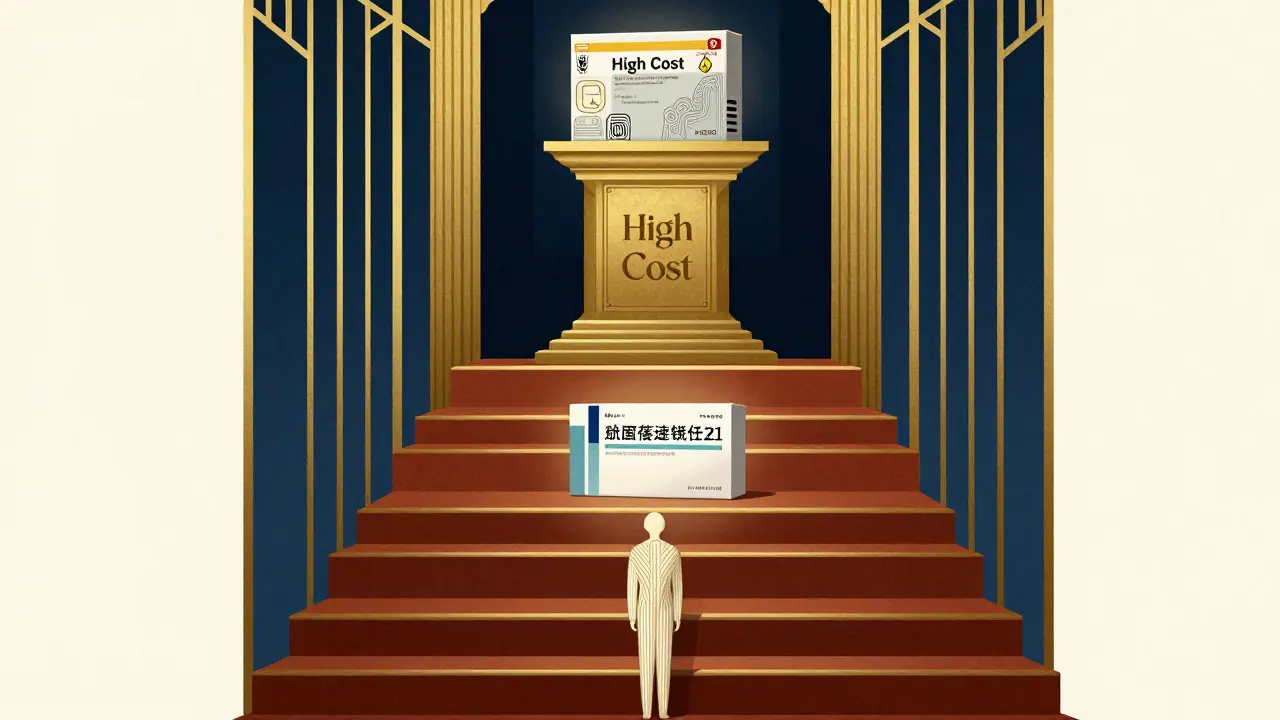
However, not all plans treat them equally. About 12% of plans still categorize authorized generics as brand-name products, meaning you might face higher costs unless you appeal or check your specific plan details. It is essential to verify your insurer’s policy, especially if you have a narrow therapeutic index drug where consistency in manufacturing matters.
Why Insurers Prefer Authorized Generics
From an insurer’s perspective, authorized generics offer a strategic middle ground. They provide the therapeutic equivalence of brand-name drugs without the premium price tag. Dr. Aaron Kesselheim, a professor at Harvard Medical School, noted that these drugs help payers balance cost containment with therapeutic continuity. For patients who cannot tolerate the inactive ingredients in third-party generics-such as dyes, fillers, or binders-authorized generics are a lifesaver. Since they contain the exact same inactive ingredients as the brand, patients with sensitivities can switch to the authorized version and stay on their preferred formulation while paying generic rates.
Furthermore, authorized generics bypass the complex Abbreviated New Drug Application (ANDA) process required for traditional generics. This allows them to enter the market faster, sometimes immediately upon patent expiration or even earlier. For Pharmacy Benefit Managers (PBMs) like Express Scripts and OptumRx, this means quicker access to lower-cost alternatives. In 2023, Express Scripts reported that 89% of authorized generic claims were approved on the first submission, compared to 76% for brand-name drugs, indicating smoother processing once systems are updated.
Challenges in Identification and Coverage
Despite the benefits, confusion remains a major hurdle. Because authorized generics look different from the brand pills they replace-and often lack the distinctive branding-they can be mistaken for other generics or even counterfeits by uninformed patients. A 2022 GoodRx survey found that 34% of patients experienced confusion when their pharmacy substituted an authorized generic without proper notification. In some cases, this led to temporary coverage denials until the substitution was correctly documented in the PBM system.
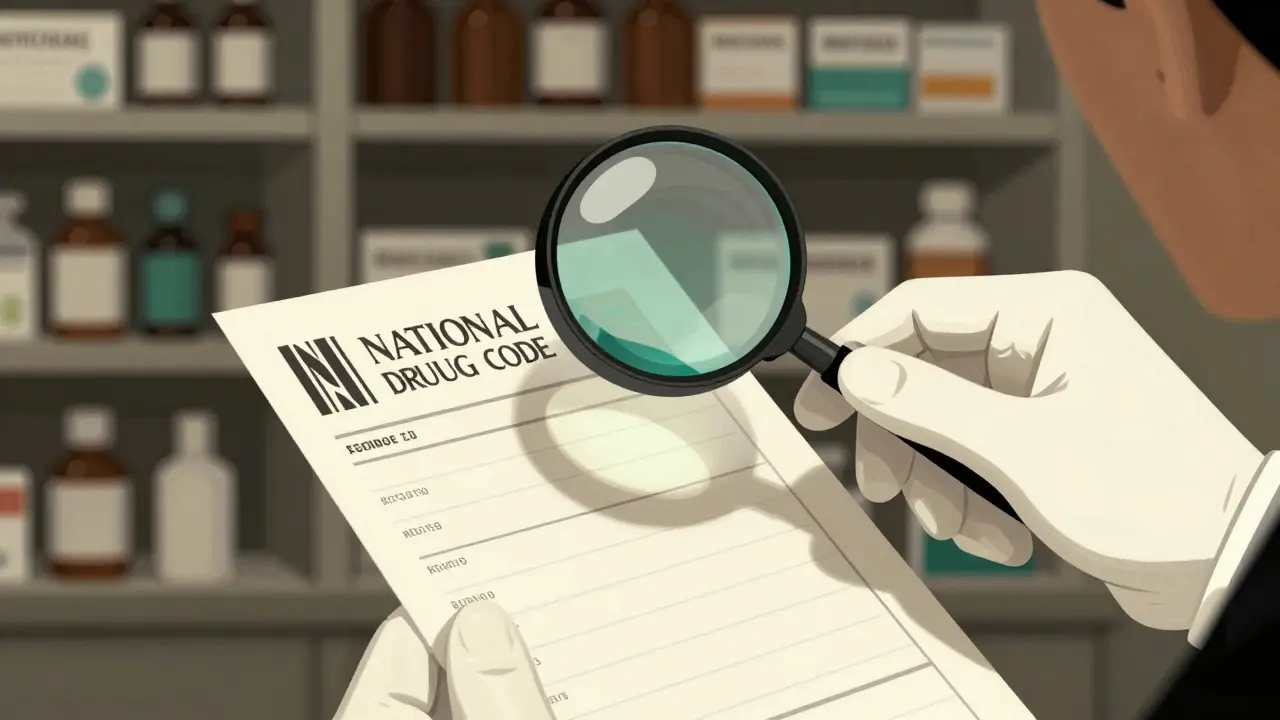
The root of the issue lies in identification. Authorized generics are not always clearly marked in the FDA Orange Book, which is the primary resource for drug approval status. Instead, they require specific National Drug Codes (NDCs) linked to the brand manufacturer’s NDA. Pharmacies and PBMs must update their databases to recognize these codes. CVS Caremark’s implementation guide suggests this process takes 30 to 45 days from product launch. During this window, patients might face claim rejections or incorrect copays. Walgreens reported a 12% error rate in initial authorized generic processing before implementing specialized verification protocols, highlighting the learning curve for retail pharmacies.
Market Trends and Future Outlook
The landscape of authorized generics is evolving rapidly. The U.S. authorized generic market reached $4.7 billion in 2022, representing about 3.2% of the total generic drug market. Growth is projected at a compound annual rate of 8.4% through 2027. Major players like Greenstone (a Pfizer subsidiary), Prasco, and Patriot Pharmaceuticals dominate the space, accounting for 63% of production.
Regulatory shifts are also influencing coverage. The 2022 Inflation Reduction Act includes provisions that may boost authorized generic usage in Medicare Part D. The Centers for Medicare & Medicaid Services (CMS) project a 15-20% increase in authorized generic coverage by 2025 as part of efforts to reduce out-of-pocket costs for seniors. Additionally, the FDA’s Generic Drug User Fee Amendments (GDUFA III) aim to streamline identification and reporting, addressing previous transparency concerns.
However, scrutiny is increasing. The Federal Trade Commission (FTC) has raised concerns that some brand manufacturers use authorized generics to delay the entry of true, cheaper third-party generics. In 22% of cases studied, the proliferation of authorized generics slowed competition. As regulators monitor this trend, future coverage policies might shift to encourage more diverse generic competition, potentially affecting how insurers prioritize these drugs in formularies.
Practical Steps for Patients
If you are prescribed a brand-name drug, ask your doctor or pharmacist if an authorized generic is available. Here is how to navigate the system:
- Check Your Formulary: Log in to your insurer’s portal and search for your medication. Look for notes indicating "authorized generic" or check the tier level. If it’s listed as Tier 1 or 2, it likely qualifies for generic pricing.
- Verify with Your Pharmacist: Pharmacists can identify authorized generics by checking the NDC code against the FDA’s list. Ask them explicitly: "Is this an authorized generic from the brand manufacturer?"
- Watch for Packaging Changes: Authorized generics often come in plain white bottles or simplified packaging. Don’t panic if your pill looks different; confirm the manufacturer name on the label matches the brand owner.
- Appeal if Denied: If your insurance denies coverage citing it as a "brand," submit an appeal referencing the FDA’s definition of authorized generics and your plan’s generic tier policies. Cite CMS guidance that authorized generics qualify for generic coverage in Medicare Part D.
Understanding these nuances empowers you to manage healthcare costs effectively. By recognizing authorized generics as a valid, cost-saving option, you can maintain your health regimen without breaking the bank.
Are authorized generics exactly the same as brand-name drugs?
Yes. Authorized generics contain the identical active and inactive ingredients as the brand-name drug. They are manufactured by the same company under the original New Drug Application (NDA), ensuring pharmacological equivalence. The only differences are typically the packaging, labeling, and price.
Do insurance plans always cover authorized generics at generic prices?
Most do, but not all. Approximately 87% of Medicare Part D plans place authorized generics in the same tier as traditional generics. However, about 12% of plans may classify them as brand-name drugs, resulting in higher copays. Always check your specific plan’s formulary.
How can I tell if my prescription is an authorized generic?
Look at the manufacturer name on the bottle. If it matches the brand-name manufacturer (e.g., Pfizer for Protonix) but the drug name is generic, it is likely an authorized generic. You can also consult the FDA’s official list of authorized generic drugs or ask your pharmacist to verify the National Drug Code (NDC).
Why would a brand manufacturer sell an authorized generic?
Brand manufacturers use authorized generics to maintain market presence and revenue streams after patent expiration. By offering a lower-priced version themselves, they can compete with third-party generics and retain customers who might otherwise switch entirely to cheaper alternatives.
Are there any risks associated with taking authorized generics?
There are no medical risks regarding efficacy or safety, as they are identical to the brand. The main "risk" is administrative confusion, such as insurance denial or patient anxiety due to different packaging. Ensuring proper communication with your pharmacist and insurer mitigates these issues.
Will the Inflation Reduction Act affect authorized generic coverage?
Yes. The 2022 Inflation Reduction Act aims to reduce drug costs for Medicare beneficiaries. CMS projects a 15-20% increase in authorized generic coverage by 2025, encouraging more plans to adopt favorable formulary placements for these cost-saving options.