
SGLT2i & euDKA Risk Assessment Tool
Assessment Result:
Imagine a patient arriving in the emergency room with severe nausea, vomiting, and deep, labored breathing. They have diabetes, but their blood glucose reading is 140 mg/dL-almost perfect. For a clinician relying on old rules of thumb, this reading is a relief. They might assume the patient has a stomach bug or a mild infection. But in reality, the patient is sliding into a life-threatening metabolic crisis. This is the "euglycemic masquerade," a dangerous trap where a patient is in full-blown ketoacidosis despite having near-normal blood sugar levels.
This condition, known as Euglycemic Diabetic Ketoacidosis ( euDKA) is a variant of diabetic ketoacidosis where blood glucose levels remain below 250 mg/dL, masking the severity of the metabolic acidosis), is closely tied to a specific class of medications. While these drugs are game-changers for heart and kidney health, they change the way DKA presents, often tricking the very doctors trying to save the patient.
The Role of SGLT2 Inhibitors in EDKA
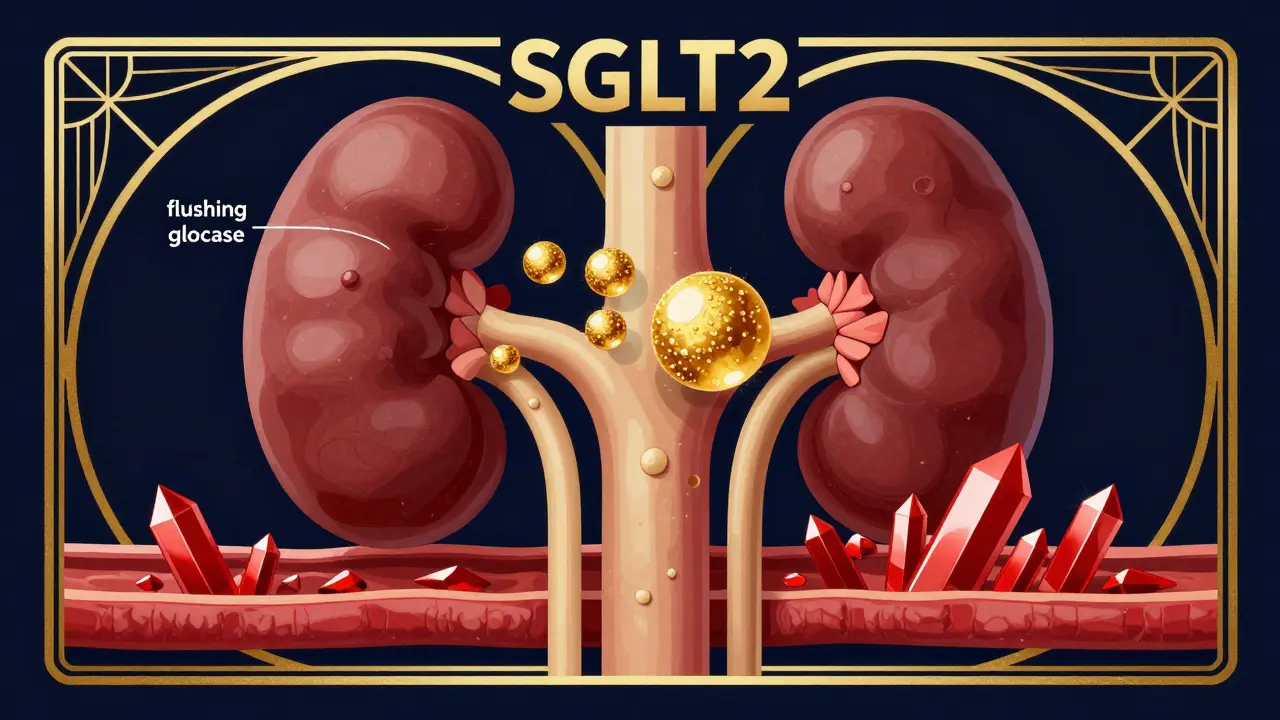
To understand why this happens, we have to look at how SGLT2 Inhibitors work. These drugs, which include common names like Empagliflozin (Jardiance), Dapagliflozin (Farxiga), and Canagliflozin (Invokana), block the kidneys from reabsorbing glucose. Instead of keeping sugar in the blood, the body flushes it out through urine.
Here is the problem: while the drug is great at lowering blood glucose, it doesn't replace the need for insulin. In fact, by constantly dumping sugar into the urine, these medications can trick the body into thinking it's starving. This triggers the release of glucagon-a hormone that tells the liver to produce more sugar and start breaking down fats for energy. When fat breakdown goes into overdrive, the liver produces ketones. Because the SGLT2 inhibitor keeps the blood glucose low by flushing it out, you end up with a lethal combination: high levels of acid (ketones) in the blood, but a blood sugar reading that looks totally normal.
This isn't just a theoretical risk. Data shows that people using these medications have a 7-fold increased risk of DKA compared to non-users. While the rate in type 2 diabetes is relatively low (around 0.16 to 0.76 events per 1,000 patient-years), the risk skyrockets in type 1 diabetes patients who use these drugs off-label, with DKA rates hitting between 5% and 12%.
How to Spot the "Euglycemic Masquerade"
The biggest danger of EDKA is that it doesn't look like the "textbook" version of DKA. In conventional DKA, the hyperglycemia is so extreme (often over 300 or 400 mg/dL) that it's an immediate red flag. In EDKA, the glucose usually sits between 100 and 250 mg/dL.
If you are monitoring a patient or a loved one on these meds, stop looking at the glucose monitor and start looking at the person. The symptoms are nearly identical to standard DKA:
- Severe nausea and vomiting (seen in about 78-85% of cases)
- Deep, rapid breathing (Kussmaul breathing) as the body tries to blow off acid
- Intense abdominal pain
- Extreme malaise and unusual tiredness
One key difference is that the "fruity" breath common in severe DKA might be missing because ketone concentrations can be slightly lower or different in presentation, though you shouldn't rely on this to rule it out. If a patient on an SGLT2 inhibitor feels "deathly ill" but has a normal blood sugar reading, you must assume they are in EDKA until proven otherwise.
| Feature | Conventional DKA | Euglycemic DKA (SGLT2i) |
|---|---|---|
| Blood Glucose | Typically > 250 mg/dL | Typically < 250 mg/dL (often 100-200) |
| Ketones | Present (Blood/Urine) | Present (Blood/Urine) |
| Blood pH | Low (< 7.3) | Low (< 7.3) |
| Bicarbonate | Low (< 18 mEq/L) | Low (< 18 mEq/L) |
| Primary Trigger | Infection, Insulin omission | SGLT2i + Stressor (Surgical, Fasting) |
Emergency Care and Immediate Interventions
Once EDKA is suspected, the priority shifts from glucose control to acid correction and volume replacement. The biggest mistake in the ER is waiting for the glucose to rise before starting treatment. If you wait for the "classic" signs, the patient may suffer permanent organ damage or death.
The Diagnostic Golden Hour: Modern protocols, such as those used by the Cleveland Clinic, emphasize immediate point-of-care testing. The goal is to measure serum beta-hydroxybutyrate-the primary ketone body-within 15 to 30 minutes of triage. If the level is above 3 mmol/L, you are dealing with a critical situation regardless of the glucose reading.
The Fluid Balance Tightrope: Fluid resuscitation is the first line of defense. Usually, 0.9% saline is started at 15-20 mL/kg in the first hour. However, there is a catch: because the patient isn't hyperglycemic, they are much more prone to crashing into severe hypoglycemia once insulin is started. To prevent this, clinicians must introduce glucose-containing IV fluids (like D5) much earlier than they would in a typical DKA case. You aren't giving sugar because the patient needs it for energy, but to provide a "buffer" that allows you to give enough insulin to stop the ketone production.
Managing Potassium: About 65% of EDKA patients have a total body potassium deficit. Even if the blood test shows a "normal" potassium level, the act of giving insulin will push potassium back into the cells, potentially causing the serum level to plummet. Aggressive potassium replacement is essential to avoid cardiac arrhythmias.
Risk Factors and the "Sickness Day" Rule
Most cases of EDKA don't happen randomly. They are usually triggered by a physiological stressor that pushes a stable patient over the edge. Common triggers include:
- Major Surgery: The stress of surgery and the requirement to fast (NPO) are primary drivers.
- Acute Illness: A severe flu or pneumonia can trigger the stress response.
- Extreme Low-Carb Diets: Very low carbohydrate intake combined with SGLT2 inhibitors can starve the body of glucose, forcing it to rely on fat/ketones.
- Alcohol Abuse: Excessive alcohol can interfere with glucose metabolism and increase risk.
- Pregnancy: Significant metabolic shifts can trigger EDKA.
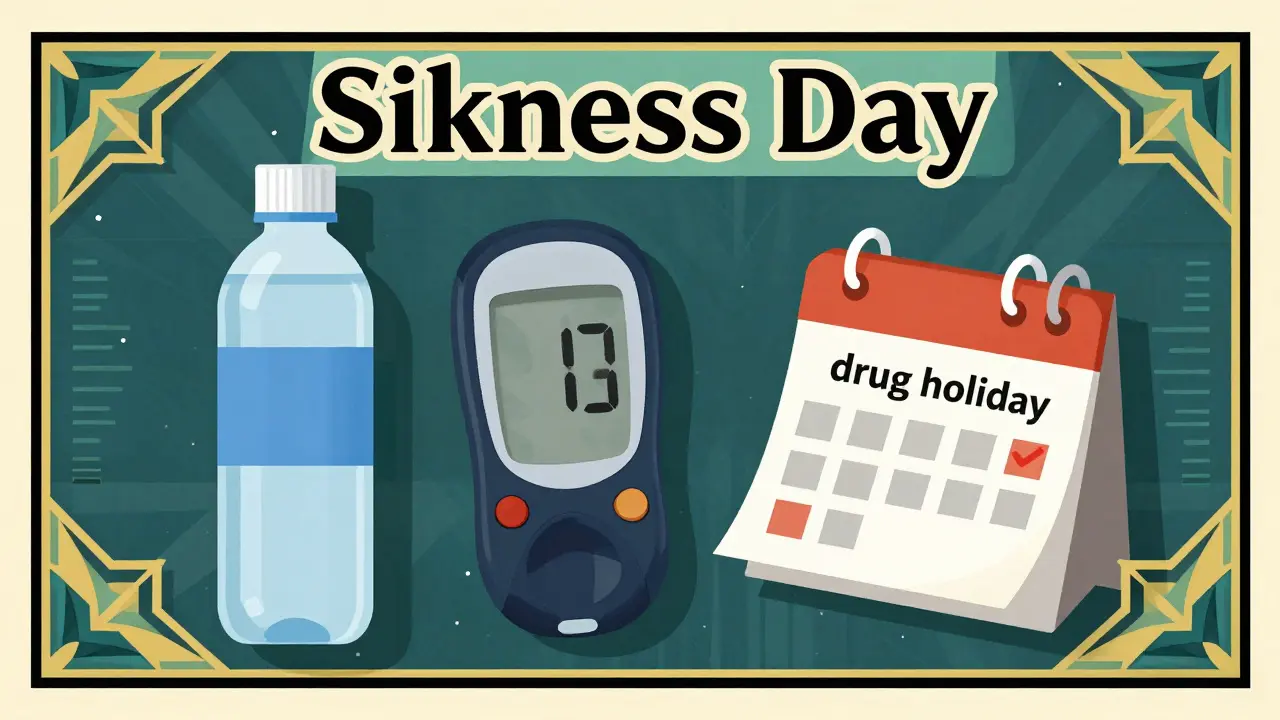
To prevent this, patients need a "Sickness Day" plan. This means knowing that if they become seriously ill, cannot eat, or are scheduled for surgery, they should temporarily stop their SGLT2 inhibitor. This "drug holiday" removes the mechanism that keeps glucose low and allows the body's natural signals to alert the patient and doctor to rising sugar levels if DKA starts to develop.
The Future of Prediction and Prevention
We are moving away from just reacting to EDKA and toward predicting it. Current research, including the SGLT2i-EDKA Prediction Study, is looking at markers like C-peptide levels and HbA1c variability to identify who is most at risk. There is also a push toward monitoring the ratio of acetoacetate to beta-hydroxybutyrate, which some studies suggest can predict an EDKA event up to 24 hours before the patient feels sick.
The overarching goal for the medical community is to break the cognitive bias that DKA equals high blood sugar. As these medications become more common-already making up a quarter of new diabetes prescriptions in the US-the ability to recognize a "normal glucose" emergency will be the difference between a quick recovery and a fatal outcome.
Can I get EDKA if I have Type 2 diabetes and have never had DKA before?
Yes. While DKA is more common in Type 1, about 20% of EDKA cases occur in Type 2 patients with no prior history of the condition. SGLT2 inhibitors change the metabolic environment, making it possible for those without a history of DKA to develop it under stress.
Why does the blood sugar stay low in EDKA?
SGLT2 inhibitors force the kidneys to excrete glucose through urine. Even though the body is producing ketones and glucagon is rising (which normally raises blood sugar), the drug continues to dump that glucose out of the body, keeping the serum levels deceptively low.
What is the most important test to run if EDKA is suspected?
The most critical test is a serum beta-hydroxybutyrate test. Checking only blood glucose or urine ketones can be misleading; a direct blood measurement of beta-hydroxybutyrate provides the fastest and most accurate confirmation of ketoacidosis.
Should I stop my SGLT2 inhibitor if I'm having surgery?
Generally, yes. Many clinicians recommend a temporary discontinuation of SGLT2 inhibitors before major surgery or periods of prolonged fasting to reduce the risk of EDKA. Always coordinate this with your prescribing physician.
Do SGLT2 inhibitors cause DKA in everyone?
No. It is a rare but serious side effect. In type 2 diabetes, the rate is very low (under 1 event per 1,000 patient-years). However, the severity of the complication makes it a critical safety concern for all users.
Next Steps for Patients and Providers
For Patients: If you are taking an SGLT2 inhibitor, buy a home ketone testing kit (blood-based is preferred). If you feel nauseated or vomit, test your ketones even if your glucose meter says your sugar is normal. If ketones are high, head to the ER immediately.
For Healthcare Providers: Update your triage protocols. Ensure that any patient on an SGLT2 inhibitor presenting with "vague" gastric symptoms is flagged for an immediate anion gap and ketone screen. Remember that a glucose reading of 150 mg/dL is not a "rule-out" for DKA in this population.
too long didnt read but basically just stop the meds if u feel sick lol
Most of you people are just ignoring the basics. You can't trust these pharma drugs anyway. If you're on Jardiance and feel like trash, you're probably already too late because your doctor isn't paying attention to your actual symptoms. Trust your gut, not some glucometer that's lying to you.
The premise is fundamentally flawed...!!! Who actually relies on a single glucose reading in a clinical setting anyway??? This is a basic failure of triage, not a drug issue...!!! Purely an academic exercise in the obvious...!!!
It is so wonderful that this information is being shared! It really helps everyone stay safe and feel more empowered in their healthcare journey. Let's all try to be mindful of these symptoms to help our loved ones
Stay positive and stay healthy!
Absolutely typical of the medical establishment to push these SGLT2 inhibitors and then act surprised when people start dying of acidosis! 🙄 It's practically a crime to prescribe these without a mandatory home ketone kit. I've seen this happen and the lack of urgency from the staff was honestly appalling. Total disaster! :-(
The sheer incompetence of Western medical training is on full display here. It is an absolute disgrace that clinicians are still relying on outdated rules of thumb when the pharmacological mechanisms of SGLT2 inhibitors are common knowledge in any competent research facility in India! This "masquerade" is only a masquerade for those who are too lazy to read the current literature. Truly pathetic!
Notice how they tell you to just stop the meds during surgery? Maybe they don't want us knowing how these chemicals actually mess with your metabolic baseline permanently. It's just another way for the big labs to keep us dependent on more "buffer" fluids and IVs once the damage is done. Classic play.
This is such a helpful reminder for everyone! 🌟 Please, if you're on these meds, just keep a little ketone kit handy for peace of mind! You've got this and we can all look out for each other! 😊✨
I agree that having a home testing kit is a very prudent step for patient safety :) It provides an extra layer of security for those of us managing chronic conditions. Warm wishes to all!
It is most imperative that we foster a culture of vigilance and support, especially for those who may not have immediate access to advanced diagnostic tools...!!! Your health is your greatest wealth, and knowing these signs is truly a blessing for the community...!!!
k 🙄