Imagine carrying a silent threat in your body for decades, only to find out it can be erased in just eight weeks. That is the reality for millions of people with chronic hepatitis C, a persistent viral infection that attacks the liver. For years, this condition was a life sentence involving grueling treatments and slim chances of success. Today, thanks to curative antiviral medications known as direct-acting antivirals (DAAs), the narrative has completely flipped. You no longer have to live with the fear of cirrhosis or liver cancer if you catch it early enough.
The shift from 'managing' hepatitis C to 'curing' it is one of the biggest breakthroughs in modern medicine. If you or someone you know has been diagnosed, understanding how these new drugs work-and why protecting your liver remains crucial even after the virus is gone-is essential. This isn't just about taking a pill; it's about reclaiming your long-term health.
How Direct-Acting Antivirals Changed the Game
To understand why today’s treatments are so effective, you first need to look at what came before. Before 2014, the standard treatment involved pegylated interferon injections and ribavirin pills. Patients endured flu-like symptoms, severe fatigue, and depression for 24 to 48 weeks. Even then, cure rates hovered between 40% and 80%, depending on the specific strain of the virus. It was a brutal process with uncertain outcomes.
Then came direct-acting antivirals (DAAs). These oral medications target specific parts of the hepatitis C virus (HCV) lifecycle, stopping it from replicating. Instead of boosting your immune system to fight the virus (like interferon did), DAAs go straight for the viral machinery. They block protein processing, disrupt RNA replication, and interfere with viral assembly. The result? Cure rates exceeding 95% across nearly all patient populations, with treatment durations slashed to just 8 to 12 weeks.
The U.S. Food and Drug Administration (FDA) approved the first interferon-free options in late 2013 and early 2014. Since then, pan-genotypic regimens-meaning they work against all major strains of the virus-have become the gold standard. Drugs like sofosbuvir/velpatasvir and glecaprevir/pibrentasvir are now recommended by the World Health Organization (WHO) for patients as young as three years old. This simplicity means doctors don’t always need to test for the specific virus genotype before starting treatment, speeding up care significantly.
Understanding Your Treatment Options
Not all DAA regimens are created equal, though most are highly effective. The choice depends on your liver health, other medical conditions, and whether you’ve taken hepatitis C medication before. Here is a breakdown of common options:
| Medication Name | Active Ingredients | Typical Duration | Best For |
|---|---|---|---|
| Epclusa | Sofosbuvir / Velpatasvir | 12 weeks | All genotypes; non-cirrhotic and compensated cirrhosis |
| Mavyret | Glecaprevir / Pibrentasvir | 8-12 weeks | All genotypes; often preferred for shorter duration in non-cirrhotic patients |
| Vosevi | Sofosbuvir / Velpatasvir / Voxilaprevir | 12 weeks | Prior DAA treatment failure; complex cases |
If you have no scarring (cirrhosis), an 8-week course might be enough. If you have cirrhosis, your doctor will likely prescribe 12 to 24 weeks. The key takeaway is that these drugs are incredibly well-tolerated. Over 90% of patients report no significant side effects beyond mild fatigue or headache. You can usually keep working, exercising, and living your normal life while getting cured.
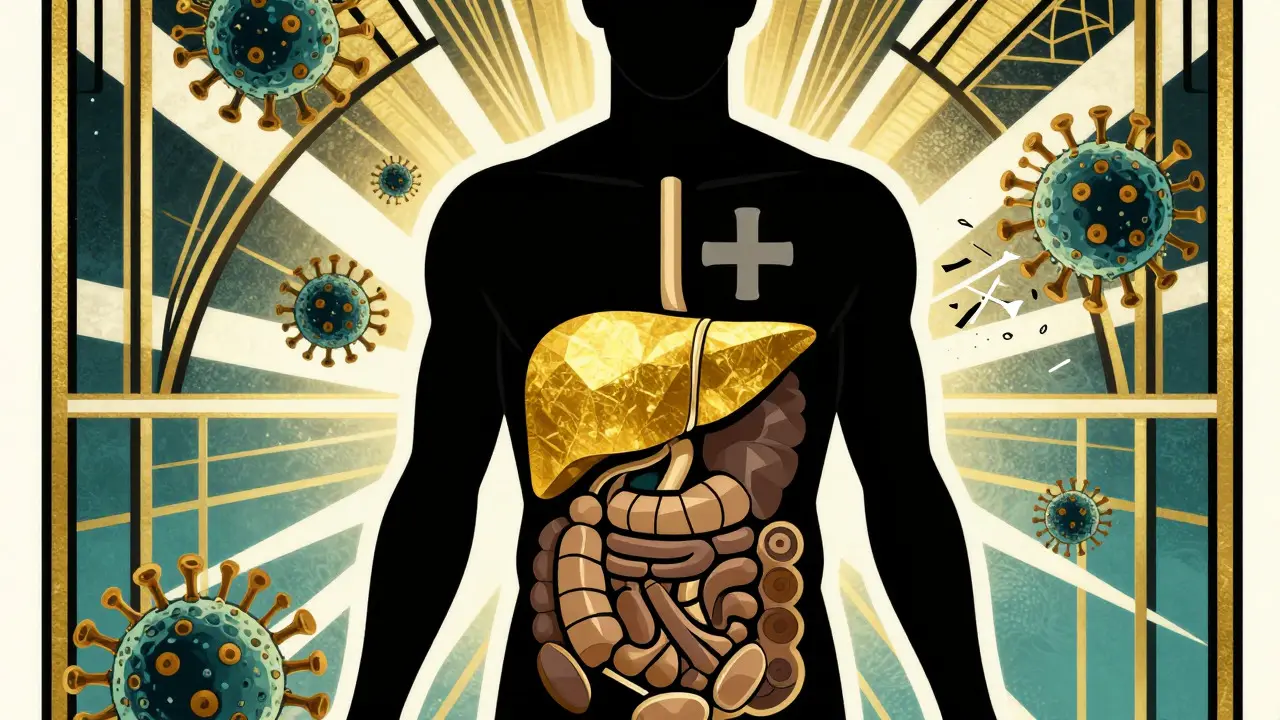
Liver Protection: Why Curing Isn't the Only Step
Clearing the virus is huge, but it doesn’t automatically repair damage already done to your liver. Think of it like putting out a fire in your house. Once the flames are gone, you still need to assess the smoke damage and fix the structure. This is where liver protection comes in.
Successful DAA treatment halts fibrosis (scarring) progression in 95% of patients. In 70% of cases, studies show actual regression of fibrosis within five years post-treatment. However, if you already have advanced cirrhosis, the risk of hepatocellular carcinoma (liver cancer) doesn’t disappear entirely. You’ll need ongoing monitoring, including regular ultrasounds and blood tests, to catch any issues early.
Protecting your liver also means lifestyle changes. Alcohol accelerates liver damage, so cutting it out is critical. Maintaining a healthy weight helps prevent fatty liver disease, which can compound existing damage. If you have diabetes or high blood pressure, managing those conditions reduces stress on your liver. Remember, curing hepatitis C removes the viral threat, but your liver still needs a supportive environment to heal fully.
Navigating Costs and Access
One of the biggest hurdles isn’t efficacy-it’s access. In the United States, a 12-week course of DAA therapy can cost around $74,700. While this price has dropped from the initial $94,500 tag for early drugs like Sovaldi, it’s still steep. Insurance companies often require prior authorization, meaning your doctor has to prove you need the drug before they cover it. About 28% of patients face initial denials, requiring appeals.
However, help is available. Manufacturer assistance programs can cover up to 70% of costs for uninsured patients. In low- and middle-income countries, generic versions are available for as little as $50 per treatment course. The WHO has pushed for global access, aiming to eliminate hepatitis C as a public health threat by 2030. In South Africa and other regions, tiered pricing and government partnerships are slowly improving availability, though gaps remain.
If you’re struggling with insurance, ask your doctor’s office about patient navigators. These professionals specialize in fighting denial letters and connecting you with financial aid. Don’t let bureaucracy stop you from getting cured.
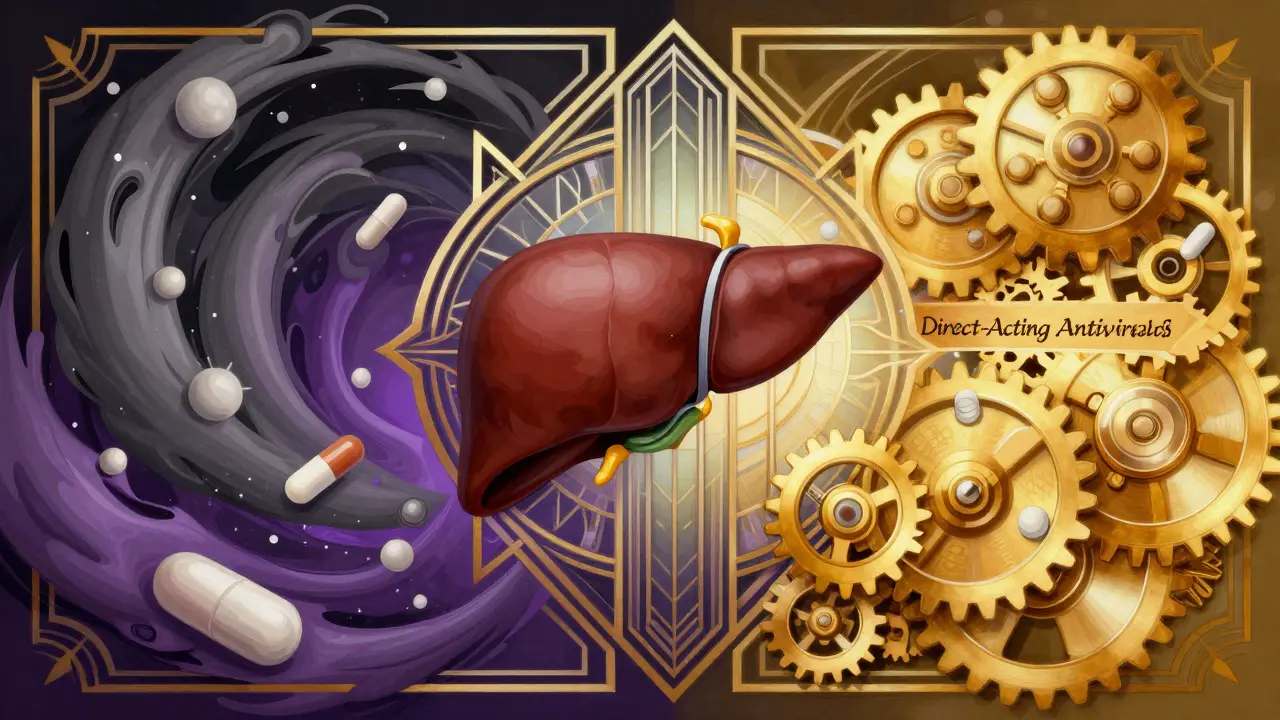
Who Should Get Tested?
You can’t treat what you don’t know you have. Approximately 20% of infected individuals globally are undiagnosed because hepatitis C often shows no symptoms until serious liver damage occurs. The CDC recommends testing for everyone born between 1945 and 1965, as this group has higher infection rates. Additionally, anyone who has ever injected drugs, received a blood transfusion before 1992, or has HIV should get tested.
Testing is simple: a blood check for HCV antibodies followed by an RNA test to confirm active infection. If positive, you move straight to treatment planning. With pan-genotypic drugs, you often skip the step of identifying the specific virus strain, making the path to cure faster than ever.
Living Well After Cure
Achieving sustained virologic response (SVR)-the medical term for being cured-means the virus is undetectable in your blood 12 weeks after finishing treatment. For most people, this is permanent. But reinfection is possible if you’re exposed again, particularly among people who inject drugs. Practicing harm reduction strategies, like using sterile needles, is vital.
Beyond physical health, curing hepatitis C lifts a massive psychological burden. Patients report feeling free to date, marry, and plan families without fear of transmitting the virus through casual contact. One patient shared, “I felt I could finally date and even marry and have a family.” That sense of relief is priceless.
Keep up with annual check-ups. Your doctor will monitor liver enzymes and overall health. If you have cirrhosis, continue surveillance for liver cancer. Otherwise, focus on heart-healthy habits, balanced nutrition, and staying active. Your liver has fought hard; give it the best chance to thrive.
Can hepatitis C be cured completely?
Yes. Modern direct-acting antivirals (DAAs) cure more than 95% of patients. A cure is defined as having undetectable virus in the blood 12 weeks after completing treatment, known as sustained virologic response (SVR).
How long does DAA treatment take?
Most courses last 8 to 12 weeks. Some patients with cirrhosis may need 24 weeks. The exact duration depends on your liver health, previous treatments, and the specific medication prescribed.
Are there side effects from hepatitis C medication?
Side effects are minimal compared to older therapies. Most people experience none, while others report mild fatigue or headaches. Severe reactions are rare.
Do I need to avoid alcohol during treatment?
Yes. Alcohol damages the liver and can reduce treatment effectiveness. Quitting alcohol supports both the cure process and long-term liver protection.
What happens if the treatment fails?
Failure is uncommon (less than 5%). If it occurs, doctors analyze why and may prescribe a different regimen, such as Vosevi, which is designed for retreatment cases.
Is hepatitis C contagious after cure?
No. Once you achieve SVR, you cannot transmit the virus to others. However, you can be reinfected if exposed to the virus again.
Does insurance cover hepatitis C treatment?
Most insurers cover DAAs, though prior authorization is often required. Patient assistance programs exist for those with high deductibles or no insurance.
Who should get tested for hepatitis C?
Everyone born between 1945 and 1965, people who have injected drugs, those with HIV, and anyone with unexplained elevated liver enzymes should be tested.