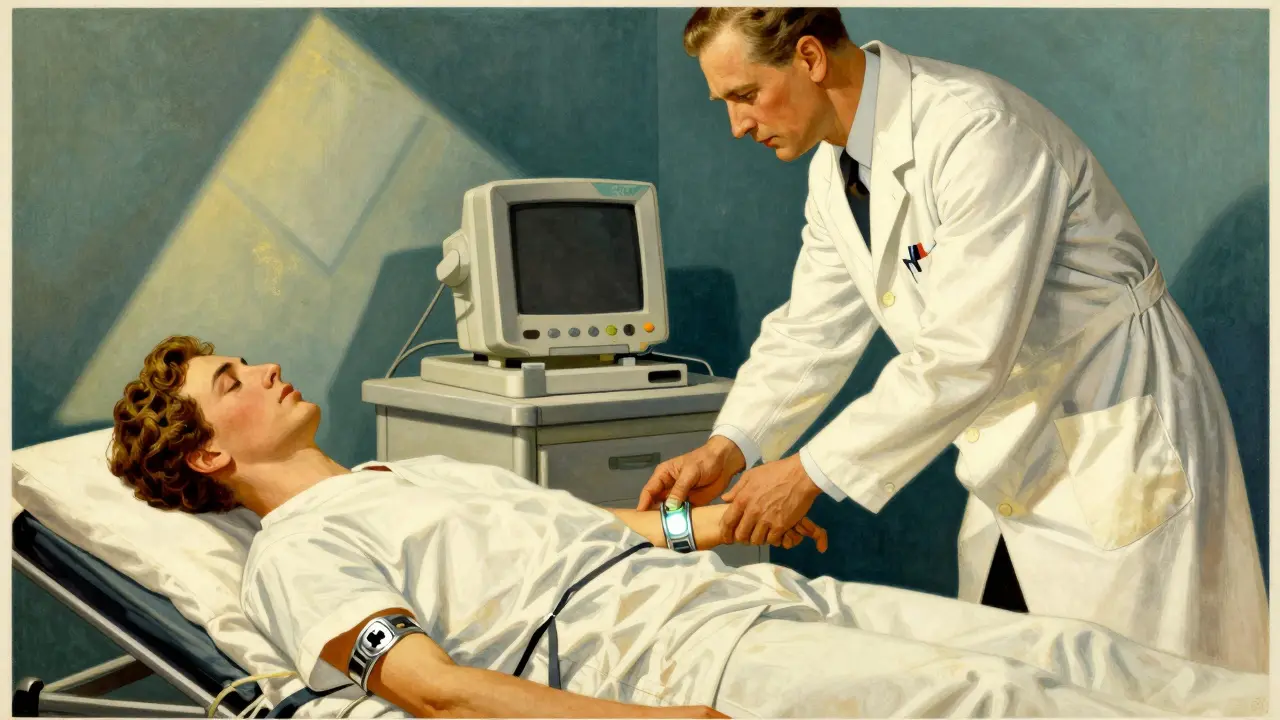
Imagine lying unconscious on a hospital bed. A doctor reaches for a syringe filled with penicillin. Without your voice to stop them, that injection could trigger a fatal reaction. This nightmare scenario happens more often than we like to admit. That is exactly why understanding how to wear and utilize medical alert jewelry is not just about style-it is a life-saving protocol for those with severe drug allergies.
According to recent data from the American College of Allergy, Asthma, and Immunology, over 95% of emergency responders actively look for this identification during a crisis. If you have a documented history of anaphylaxis or dangerous drug sensitivities, having a clear physical signal can mean the difference between a routine recovery and a medical catastrophe. We are going to walk through exactly what goes on that bracelet, where you should wear it, and how to keep the information fresh enough to save your life when you cannot speak for yourself.
Picking the Right Form Factor
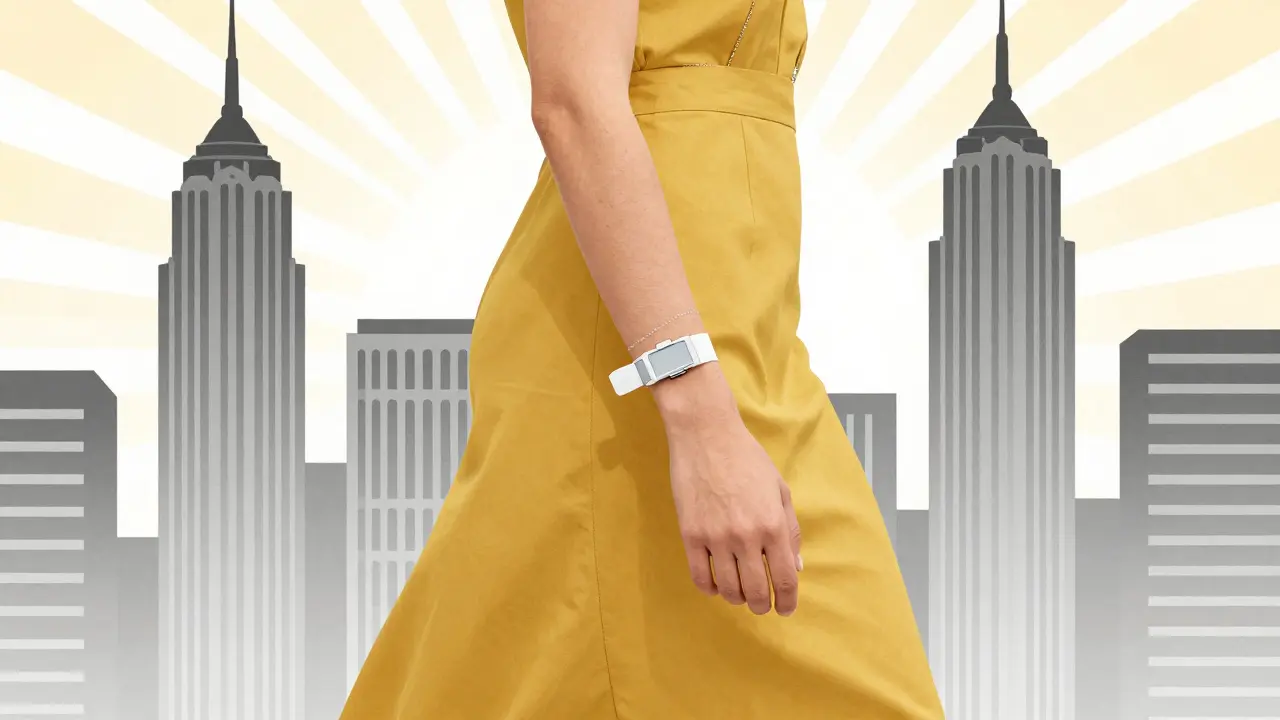
You might think any shiny metal will do, but the mechanics matter when seconds count. Most people choose between a bracelet and a necklace. There are significant differences in visibility and detection rates. Studies indicate that about 95% of medical personnel check the wrist immediately upon arrival, while slightly fewer check the neck. If you want maximum detection speed, a bracelet worn on your dominant wrist is usually the best bet. It sits closer to vital sign checks and pulse points where nurses naturally look first.
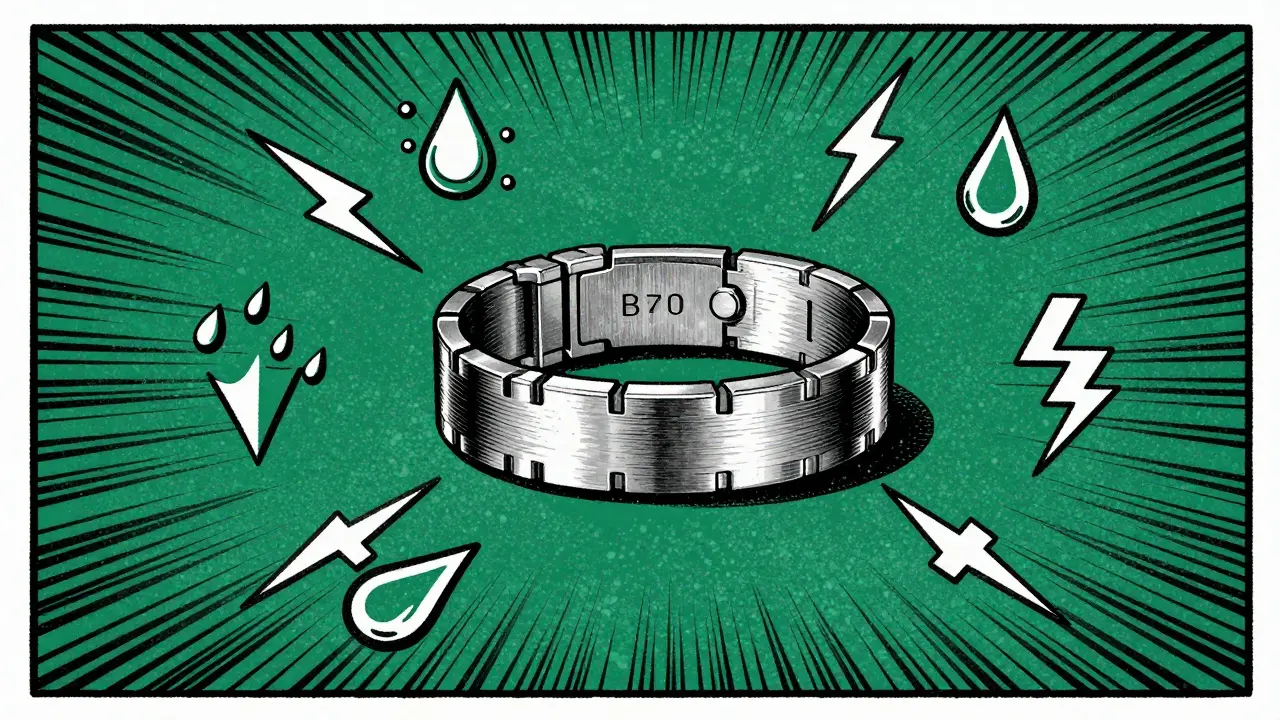
Durability is another massive factor. In an emergency setting, cheap jewelry can snap or rust when exposed to cleaning agents or saline solution. You want materials that withstand sweat, rain, and rough handling. Common choices include:
Surgical Steel: Resistant to corrosion and generally hypoallergenic.
Titanium: Extremely lightweight and strong; great for sensitive skin.
Medical Grade Silicone: Comfortable for daily wear, but can be less durable over years.
If you live in a humid place like Durban or spend time outdoors, titanium often wins because it doesn't degrade easily in salt air. However, if you are prone to skin irritation, even "stainless" steel sometimes triggers contact dermatitis. Always request a hypoallergenic certification when purchasing.
Crafting the Message: What to Engrave
This is where most people make mistakes. Space on a bracelet is limited, typically offering about 60 characters per line depending on the width. You cannot fit every detail of your medical history. Prioritizing clarity is essential. According to guidelines from the MedicAlert Foundation, the front of the piece should hold your immediate identity and primary risk factors.
A standard effective layout includes your name on the back, while the front lists the condition and specific allergens. For drug allergies, brevity saves lives. Using standardized abbreviations helps confused staff understand your needs instantly without decoding long sentences. Here are some widely accepted codes used by hospitals:
Standard Medical Alert Engraving Codes
Abbreviation
Full Meaning
Example Usage
NKA
No Known Allergies
Use only if you truly have none
NKDA
No Known Drug Allergies
Clarifies medication status
ALGY
Allergy
ALGY: PCN (Penicillin)
EPI PEN
Epinephrine Auto-injector
Carrying Epi-Pen? State it clearly
ICE
In Case of Emergency
ICE: Mom 555-0199
Your primary drug allergy should be prominent. If you have a Penicillin allergy, writing "NO PCN" is clearer than typing out "Allergic to Penicillin" if space is tight. Some users also add secondary conditions like diabetes or seizures if those interact with their care plan. Never sacrifice legibility for style. Large, deep etching ensures the text is readable even under poor lighting.
The Wearing Protocol: Placement and Consistency
Buying the jewelry is the easy part; actually keeping it on your body is the hard part. Many people put these bracelets in a drawer during summer or forget them at home after sleeping in. You must treat the alert as part of your clothes, like underwear or shoes-something that is always there.
The dominant wrist is the gold standard. If you are right-handed, wear it on the right wrist. This is where vital signs are taken first in trauma situations. While this might feel awkward initially, muscle memory adjusts quickly. Users typically adapt within ten days of constant wear. A common tip is to wear it slightly higher on the forearm rather than low near the hand. This keeps it visible even when you are reaching for things or resting your arms on a wheelchair tray.
Necklaces present a unique challenge. They tend to get hidden under turtlenecks or tucked behind heavy winter coats. While beautiful, they are harder to find in the dark or during rapid assessment. If you prefer a necklace, ensure it has a distinct tag shape that dangles visibly against the collar. Combining both-a simple chain around the neck and a discrete band on the wrist-provides redundancy. If the bracelet gets ripped off during transport, the necklace remains.
Digital Upgrades: Connecting Physical to Electronic
Technology is catching up to the industry. By late 2024 and 2025, many providers started integrating QR codes or NFC chips into physical bands. These digital layers allow first responders to scan the bracelet and pull up a cloud-based profile containing your full blood type, current medications, and insurance details.
This hybrid approach solves the character limit problem. You can now have complex interaction warnings on the screen linked to the physical token. However, remember this reality check: technology requires batteries and signals. During power outages or natural disasters where networks fail, the engraved metal becomes your only lifeline. Do not rely solely on the QR code. Keep the physical engraving accurate even if you have a digital backup. The National Highway Traffic Safety Administration actually updated protocols recently mandating ambulances look for physical IDs, ensuring that old-school engraving still holds legal weight in emergency response.
Maintenance and Updating Your Profile
Allergies aren't static, but your jewelry is. A major pitfall identified in ER logs involves patients whose jewelry hasn't been updated since childhood or a decade ago. Perhaps you desensitized a specific allergy, or maybe you developed a sensitivity to something else. You should review your engraving annually, ideally during your scheduled physical exam.
Contact the manufacturer if you need changes. Reputable services offer free replacements within a certain timeframe. Before you mail your unit away, photograph the text. Sometimes shipping errors happen, and having a visual record helps you verify the new batch matches your requirements. Also, check the physical integrity of the clasp regularly. A loose ring can slip off when you shower, leaving you unprotected when you leave the house.
Summary of Key Takeaways
Medical alert jewelry is a critical safety tool for anyone managing drug reactions that pose life-threatening risks. By choosing the right material, prioritizing standard abbreviations in your engraving, and wearing it consistently on your dominant wrist, you create a reliable safety net. Remember to pair physical engraving with digital profiles where possible, but never let the digital replace the physical backup. Regular updates ensure your emergency information stays current, turning a small piece of metal into the strongest advocate you have when you cannot speak.
Is a medical alert bracelet covered by health insurance?
Coverage varies significantly by provider. In many regions, standard insurance plans do not cover the cost of the jewelry itself, viewing it as a preventative accessory. However, some policies may reimburse it if a physician writes a prescription specifically listing it as "medically necessary" for preventing acute allergic events. You should check with your insurer's policy documents regarding "durable medical equipment" exclusions.
What happens if my engraving becomes worn out?
If the text is faint or unreadable, the device fails its purpose. Engravings typically last 5-10 years depending on material and activity level. Titanium lasts longer than silicone. If you notice fading, you should order a replacement immediately. Manufacturers usually track your order history, so replacing just the tag portion is often cheaper than buying a whole new unit.
Can children wear these alert devices safely?
Absolutely. In fact, children are at high risk because they often cannot describe symptoms to doctors. Pediatric sizes are available, designed to prevent choking hazards. Choose silicone options with break-away clasps for toddlers to minimize strangulation risks while sleeping. Always explain to older kids why they need to wear it, framing it as a superhero badge rather than a medical burden.
Should I put my address on the bracelet?
Generally, no. Street addresses take up valuable space and become obsolete frequently if you move. Instead, list your primary city and two emergency contact numbers labeled "ICE" (In Case of Emergency). Modern protocols assume medical staff will access official registries if needed, and personal contacts can direct them to your location much faster than reading an address.
Is a temporary tattoo enough for emergencies?
No. Temporary stickers wash off or get lost during transport. First responders prioritize checking wrists and necks for permanent hardware before looking at paper or sticker notes. While tattoos offer peace of mind, they lack the durability required for crash scenarios where water, friction, and chaos occur.
The insurance coverage section is completely misleading for most carriers. Standard plans categorize this under accessories rather than equipment. You need a doctor prescription specifically labeled medically necessary to get anywhere near reimbursement. Most people waste their time submitting claims before verifying policy exclusions. The cost is usually absorbed by the family budget instead. This financial barrier stops many from getting proper hardware installed. Insurance companies know exactly how to dodge liability here. They claim preventative measures don't qualify for billing codes. Patients end up paying hundreds out of pocket without knowing alternatives exist. Documentation requirements vary wildly depending on regional laws. Some states mandate coverage while others leave it entirely optional. You cannot rely on general statements about durable medical equipment rules. Always read the fine print regarding specific allergy prevention clauses. A generic request for approval will get denied immediately by automated systems.
Amber Armstrong
I hear you saying that the bracelet matters so much for safety protocols. My aunt had a bad reaction years ago when we were traveling overseas. She was completely unconscious during the ambulance transport back to the city center. Nurses found her tag instantly on her dominant wrist within seconds. Without that metal band she might be dead today from the delayed treatment response. It changes everything for families dealing with chronic health issues daily. We often forget how fast these medical emergencies can escalate unexpectedly. You really cannot rely on verbal instructions alone in chaotic hospital environments. The skin irritation part is also super relevant here for long term wearability. I switched to titanium because steel hurt my sensitive skin badly. Cost is never worth sacrificing your safety protocols when lives are at stake. People think it is ugly but it is actually protective armor against errors. Wearing it consistently becomes second nature quickly enough for most adults. Just imagine being unable to speak for yourself right now in pain. Every single detail in that engraving saves precious seconds for doctors. Please consider updating yours if you haven't checked the text recently.
Kendell Callaway Mooney
Titanium is definitely the best option for people living near the coast. Salt air corrodes cheap alloys faster than regular sweat exposure does. I recommend checking the clasp mechanism strength before buying online. Many manufacturers cut corners on the locking parts of these bracelets. Weak clasps fail when patients move around violently during emergencies. A broken link leaves you unprotected when you need protection the most. Durability testing reports show surgical steel lasts well in humid climates too. Silicone bands are comfortable but degrade faster under UV light exposure. Consider the environment where you spend most of your waking hours. Indoor workers might manage with softer materials for comfort purposes. Outdoor laborers need something tougher to withstand physical friction daily. Maintenance requires checking for loose stones or worn engravings regularly. Replacement services exist but shipping takes time you do not have.
dPhanen DhrubRaaj
titanium is strong and i agree salt air damages things fast sometimes the coating wears off and metal rust underneath though less common i see people complain about discomfort on wrists
Vikash Ranjan
Dominant wrist placement theory contradicts standard triage protocols used globally. Medical staff check both sides simultaneously during initial assessment phases. Relying on one side creates a dangerous blind spot in care planning. Left-handed individuals should prioritize left wrist visibility over social conventions. Right handed bias in healthcare training is outdated and problematic. Emergency responders are trained to scan necks and both wrists equally. You risk false negatives if you hide the device on the non-dominant hand. Muscle memory adjustment mentioned in the text ignores immediate trauma situations. Seconds matter more than comfort preferences during cardiac arrest events. Placement guidelines should be flexible based on patient mobility limitations. Fixed rules reduce effectiveness significantly in real world scenarios. Flexibility is the only true safety protocol here for diverse populations.
RONALD FOWLER
standard practice covers both wrists regardless of dominance in major hospitals
Biraju Shah
QR codes and NFC chips are useless during widespread power grid failures. Physical engraving remains the only reliable method for life support decisions. Digital profiles disappear if servers crash or networks go offline. Dependence on technology creates a false sense of security among patients. Ambulance crews still prioritize visual checks before scanning devices legally. Hybrid systems work great until infrastructure collapses under disaster stress. Do not trust cloud storage for primary medical identification ever. Batteries die and signals drop without warning in remote zones. Traditional metal etching works universally without needing external power sources. Keep the text legible and deep to survive washing and impact. Modern updates are nice but secondary to basic survival mechanics. Ignore digital trends when stakes involve immediate biological threats.
Cameron Redic
Everyone acts like QR codes are magic when nobody scans them. Most paramedics lack the app integration required for those fancy links. It is just marketing fluff sold to worried parents constantly. The system fails the moment battery voltage drops below threshold levels. Why pay extra for features nobody uses during blackouts. Simple text works better than complex chips hidden inside bands. Waste of money trying to future proof something static. Stick to basics that have proven track records decades long. Fancy tech looks good but does nothing if signal bars are missing.
Marwood Construction
Protocols dictate annual review cycles for all medical identification devices. Manufacturers track order histories to facilitate replacements efficiently. Visual records assist in verification processes when shipping occurs remotely. Integrity checks on clasps prevent accidental loss during showering activities. Address information is discouraged due to obsolescence risks over time. Contact numbers provide superior utility for locating next of kin parties. Official registries serve as primary data sources for modern emergency teams. Temporary adhesives lack durability required for high friction transport scenarios. Compliance standards evolve to include digital options alongside analog backups. Verification procedures ensure accuracy before devices enter circulation again.
William Rhodes
The philosophy behind this tool extends beyond mere identification tags. It represents a fundamental respect for human fragility and vulnerability. We prepare our physical defenses against invisible chemical threats constantly. Society demands proactive preparation rather than reactive regret management strategies. Ignoring these safeguards places undue burden on strangers during crises. True responsibility involves equipping oneself before disaster strikes unexpectedly. Knowledge empowers us to navigate healthcare systems effectively without fear. Fearlessness comes from knowing help can identify needs instantly upon arrival. This small artifact bridges gaps in communication barriers permanently. Protecting the self protects the community network surrounding you always.
Dan Stoof
This stuff is absolutely vital for everyone carrying sensitivities!!! Safety never sleeps and neither should your protection gear!!! I love seeing people take control of their own health outcomes!!! Titanium shines brightly under emergency lights perfectly!!! Make sure your letters are deep enough to read clearly!!! Updates keep your info fresh and your life safe!!! Never ignore the importance of proper placement protocols!!! Wear it proudly like a shield for your body!!! Thank goodness we have options like silicone for comfy wear!!! Stay smart and stay alive friends!!!
Calvin H
Everyone ignores the digital backup until the power fails.
The insurance coverage section is completely misleading for most carriers. Standard plans categorize this under accessories rather than equipment. You need a doctor prescription specifically labeled medically necessary to get anywhere near reimbursement. Most people waste their time submitting claims before verifying policy exclusions. The cost is usually absorbed by the family budget instead. This financial barrier stops many from getting proper hardware installed. Insurance companies know exactly how to dodge liability here. They claim preventative measures don't qualify for billing codes. Patients end up paying hundreds out of pocket without knowing alternatives exist. Documentation requirements vary wildly depending on regional laws. Some states mandate coverage while others leave it entirely optional. You cannot rely on general statements about durable medical equipment rules. Always read the fine print regarding specific allergy prevention clauses. A generic request for approval will get denied immediately by automated systems.
I hear you saying that the bracelet matters so much for safety protocols. My aunt had a bad reaction years ago when we were traveling overseas. She was completely unconscious during the ambulance transport back to the city center. Nurses found her tag instantly on her dominant wrist within seconds. Without that metal band she might be dead today from the delayed treatment response. It changes everything for families dealing with chronic health issues daily. We often forget how fast these medical emergencies can escalate unexpectedly. You really cannot rely on verbal instructions alone in chaotic hospital environments. The skin irritation part is also super relevant here for long term wearability. I switched to titanium because steel hurt my sensitive skin badly. Cost is never worth sacrificing your safety protocols when lives are at stake. People think it is ugly but it is actually protective armor against errors. Wearing it consistently becomes second nature quickly enough for most adults. Just imagine being unable to speak for yourself right now in pain. Every single detail in that engraving saves precious seconds for doctors. Please consider updating yours if you haven't checked the text recently.
Titanium is definitely the best option for people living near the coast. Salt air corrodes cheap alloys faster than regular sweat exposure does. I recommend checking the clasp mechanism strength before buying online. Many manufacturers cut corners on the locking parts of these bracelets. Weak clasps fail when patients move around violently during emergencies. A broken link leaves you unprotected when you need protection the most. Durability testing reports show surgical steel lasts well in humid climates too. Silicone bands are comfortable but degrade faster under UV light exposure. Consider the environment where you spend most of your waking hours. Indoor workers might manage with softer materials for comfort purposes. Outdoor laborers need something tougher to withstand physical friction daily. Maintenance requires checking for loose stones or worn engravings regularly. Replacement services exist but shipping takes time you do not have.
titanium is strong and i agree salt air damages things fast sometimes the coating wears off and metal rust underneath though less common i see people complain about discomfort on wrists
Dominant wrist placement theory contradicts standard triage protocols used globally. Medical staff check both sides simultaneously during initial assessment phases. Relying on one side creates a dangerous blind spot in care planning. Left-handed individuals should prioritize left wrist visibility over social conventions. Right handed bias in healthcare training is outdated and problematic. Emergency responders are trained to scan necks and both wrists equally. You risk false negatives if you hide the device on the non-dominant hand. Muscle memory adjustment mentioned in the text ignores immediate trauma situations. Seconds matter more than comfort preferences during cardiac arrest events. Placement guidelines should be flexible based on patient mobility limitations. Fixed rules reduce effectiveness significantly in real world scenarios. Flexibility is the only true safety protocol here for diverse populations.
standard practice covers both wrists regardless of dominance in major hospitals
QR codes and NFC chips are useless during widespread power grid failures. Physical engraving remains the only reliable method for life support decisions. Digital profiles disappear if servers crash or networks go offline. Dependence on technology creates a false sense of security among patients. Ambulance crews still prioritize visual checks before scanning devices legally. Hybrid systems work great until infrastructure collapses under disaster stress. Do not trust cloud storage for primary medical identification ever. Batteries die and signals drop without warning in remote zones. Traditional metal etching works universally without needing external power sources. Keep the text legible and deep to survive washing and impact. Modern updates are nice but secondary to basic survival mechanics. Ignore digital trends when stakes involve immediate biological threats.
Everyone acts like QR codes are magic when nobody scans them. Most paramedics lack the app integration required for those fancy links. It is just marketing fluff sold to worried parents constantly. The system fails the moment battery voltage drops below threshold levels. Why pay extra for features nobody uses during blackouts. Simple text works better than complex chips hidden inside bands. Waste of money trying to future proof something static. Stick to basics that have proven track records decades long. Fancy tech looks good but does nothing if signal bars are missing.
Protocols dictate annual review cycles for all medical identification devices. Manufacturers track order histories to facilitate replacements efficiently. Visual records assist in verification processes when shipping occurs remotely. Integrity checks on clasps prevent accidental loss during showering activities. Address information is discouraged due to obsolescence risks over time. Contact numbers provide superior utility for locating next of kin parties. Official registries serve as primary data sources for modern emergency teams. Temporary adhesives lack durability required for high friction transport scenarios. Compliance standards evolve to include digital options alongside analog backups. Verification procedures ensure accuracy before devices enter circulation again.
The philosophy behind this tool extends beyond mere identification tags. It represents a fundamental respect for human fragility and vulnerability. We prepare our physical defenses against invisible chemical threats constantly. Society demands proactive preparation rather than reactive regret management strategies. Ignoring these safeguards places undue burden on strangers during crises. True responsibility involves equipping oneself before disaster strikes unexpectedly. Knowledge empowers us to navigate healthcare systems effectively without fear. Fearlessness comes from knowing help can identify needs instantly upon arrival. This small artifact bridges gaps in communication barriers permanently. Protecting the self protects the community network surrounding you always.
This stuff is absolutely vital for everyone carrying sensitivities!!! Safety never sleeps and neither should your protection gear!!! I love seeing people take control of their own health outcomes!!! Titanium shines brightly under emergency lights perfectly!!! Make sure your letters are deep enough to read clearly!!! Updates keep your info fresh and your life safe!!! Never ignore the importance of proper placement protocols!!! Wear it proudly like a shield for your body!!! Thank goodness we have options like silicone for comfy wear!!! Stay smart and stay alive friends!!!
Everyone ignores the digital backup until the power fails.