
Surgery Risk Reduction Calculator
How Long Until Surgery?
Your Risk Reduction Timeline
Estimated Risk Reduction
Wound infection risk:
Pulmonary complications:
Cardiovascular events:
Key Milestones
Carbon monoxide levels begin to fall, improving oxygen saturation
Nicotine clearance begins; blood pressure and heart rate start to normalize
Ciliary function in lungs recovers, reducing airway irritation
Collagen synthesis improves, potentially cutting infection risk by up to 50%
Cardiovascular benefits become evident; cardiac risk drops to near-baseline levels
When you step into an operating room, the last thing you want is an extra hurdle. Yet for anyone who lights up, the very act of smoking surgery risks turns a routine operation into a high‑stakes gamble. Below we break down why tobacco is a silent saboteur, the specific complications it fuels, and exactly how long you need to be smoke‑free before you can safely go under the knife.
How Smoking Messes with Your Body Before Surgery
Before the incision ever happens, smoking already starts to sabotage the physiological systems that keep you alive during an operation.
Nicotine is a potent vasoconstrictor that narrows blood vessels and reduces blood flow. Reduced circulation means less oxygen reaches tissues, which weakens the body’s natural ability to repair itself.
Carbon monoxide binds to hemoglobin much more tightly than oxygen does, creating a silent form of anemia. Even a modest smoker can carry 5-10% less oxygen in the bloodstream, a figure that plummets further under the stress of anesthesia.
These two chemicals together set the stage for a cascade of problems: higher heart rate, elevated blood pressure, and an overtaxed immune system-all of which increase the chance of a bad outcome the moment you go into surgery.
Elevated Risks During Anesthesia and the Operation Itself
Anesthesia induces a reversible loss of consciousness and sensation for surgical procedures relies heavily on the body’s cardiovascular and respiratory stability. When nicotine and carbon monoxide have already weakened those systems, the anesthesiologist faces a tighter margin for safety.
- Airway complications: Smokers produce excess mucus and have inflamed airway linings, making intubation harder and increasing the risk of accidental damage.
- Blood pressure spikes: Nicotine triggers catecholamine release, which can cause sudden hypertension that complicates delicate micro‑vascular work.
- Reduced oxygen reserve: The carbon monoxide‑laden blood lowers the oxygen pool the anesthetic machine can draw from, raising the chance of intra‑operative hypoxia.
These issues don’t just lengthen the operation; they can lead to serious intra‑operative events like cardiac arrhythmias or unexpected bleeding.
Post‑operative Complications That Hit Smokers Hardest
Once the surgery is over, the healing process should kick in. For smokers, however, the same toxins that stalled the operation continue to derail recovery.
Wound healing is the body’s process of repairing tissue after injury slows dramatically because nicotine limits the delivery of oxygen and nutrients to the incision site.
Below are the most common postoperative problems linked to smoking:
- Infection: Impaired immune response and reduced blood flow create a perfect breeding ground for bacteria.
- Pulmonary complications: Atelectasis, pneumonia, and prolonged ventilation are far more likely when lung tissue is pre‑damaged by smoke.
- Cardiovascular events: Smokers have a higher incidence of postoperative myocardial infarction and deep‑vein thrombosis.
- Dehiscence: The surgical wound may reopen because the tissue strength never fully recovers.
- Delayed bone healing: In orthopedic procedures, nicotine interferes with osteoblast activity, leading to slower fracture consolidation.
These complications not only prolong hospital stays but also raise the overall cost of care and negatively affect long‑term outcomes.
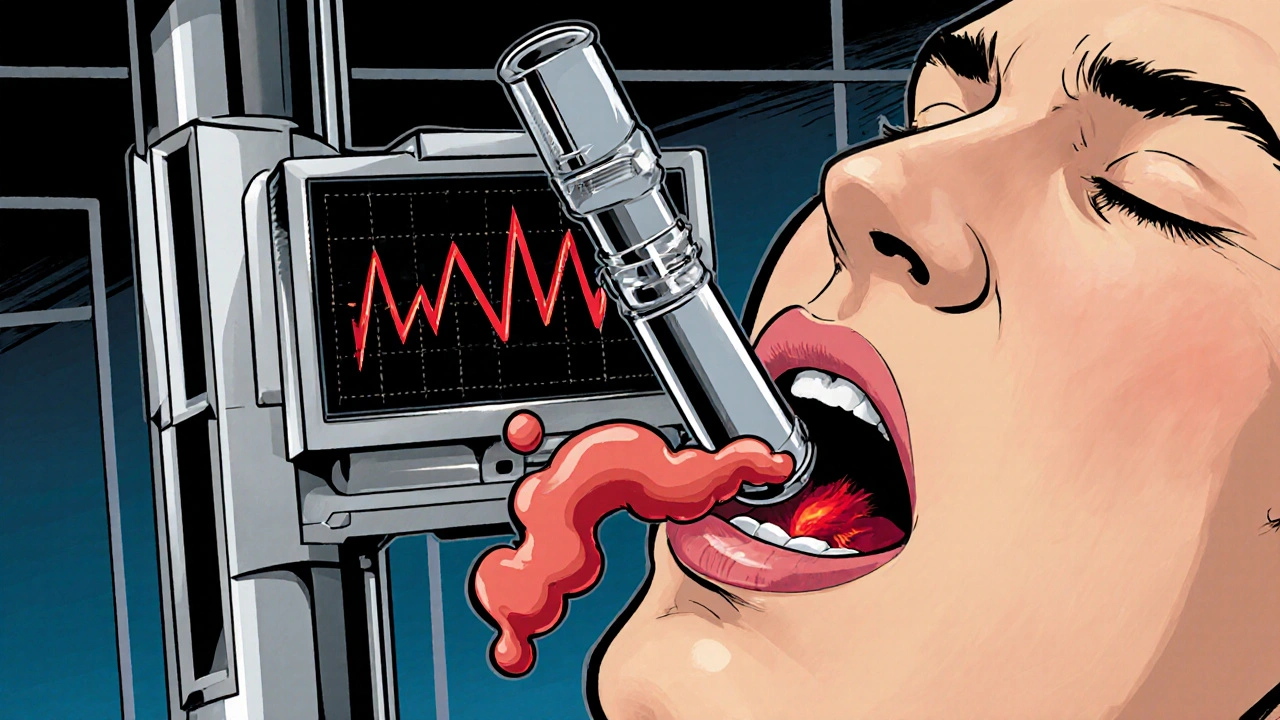
What the Numbers Say: Risks for Smokers vs. Non‑Smokers
| Complication | Smokers | Non‑Smokers | Risk Increase |
|---|---|---|---|
| Wound infection | 12% | 4% | 3× |
| Pulmonary complications | 15% | 5% | 3× |
| Cardiac events | 8% | 2% | 4× |
| Wound dehiscence | 10% | 3% | 3.3× |
| Length of stay (extra days) | +3.2 days | +0.8 days | 4× |
These figures come from a 2023 meta‑analysis of over 30,000 surgical patients across multiple specialties. The consistent pattern is clear: smoking multiplies the risk of nearly every serious postoperative event.
How Long to Quit Before Surgery? A Practical Timeline
The good news is that stopping smoking even a short while before an operation can shrink those risks dramatically. Here’s a timeline most surgeons recommend:
- 24‑48 hours before: Carbon monoxide levels start to fall, improving oxygen saturation.
- 1 week before: Nicotine clearance begins; blood pressure and heart rate start to normalize.
- 2‑4 weeks before: Ciliary function in the lungs recovers, reducing airway irritation and mucus production.
- 6 weeks before: Collagen synthesis improves, which can cut wound infection rates by up to 50%.
- 8‑12 weeks before: Cardiovascular benefits become evident; the risk of postoperative cardiac events drops to near‑baseline levels.
If time is short, even a 4‑week cessation can lower infection risk by 30% and improve lung function enough to avoid ventilation complications.
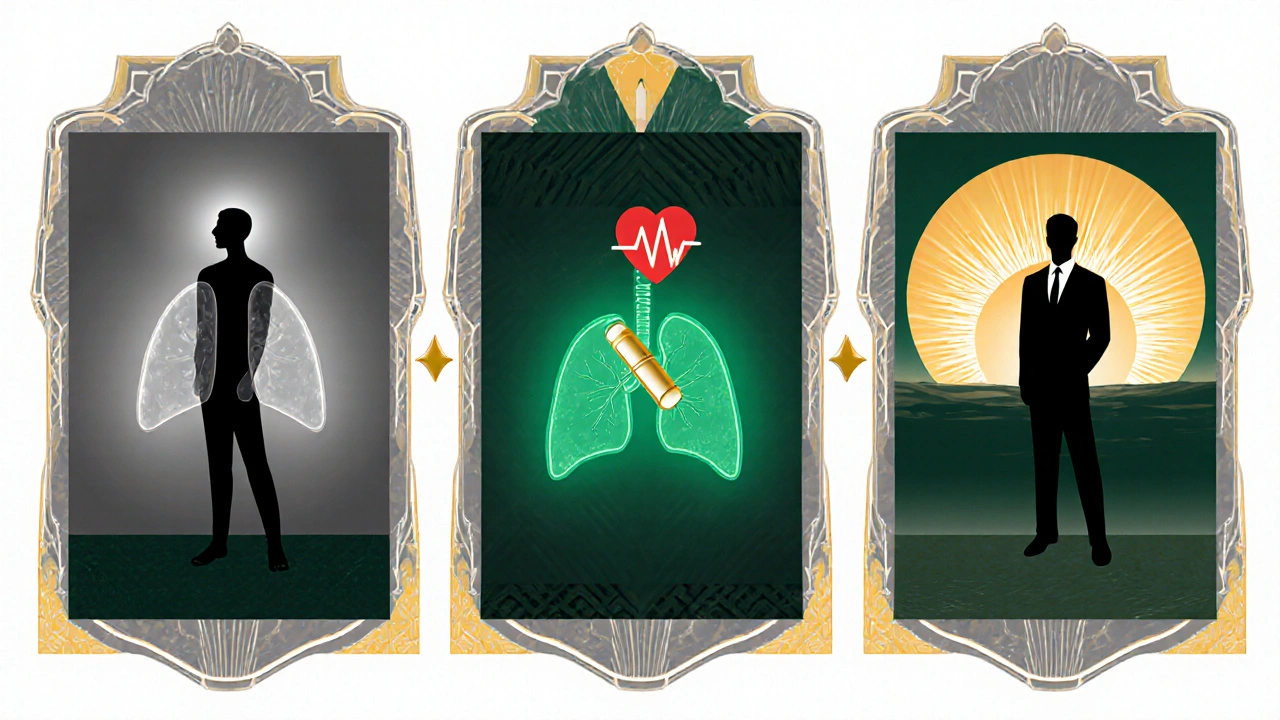
Strategies to Quit and Reduce Surgical Risks
Quitting smoking is tough, especially when surgery looms. Below are evidence‑based tools that work:
- Nicotine replacement therapy (NRT): Patches or gum deliver a controlled dose of nicotine without the harmful tar and carbon monoxide, easing withdrawal while still allowing tissue recovery.
- Prescription medications: Bupropion or varenicline have shown up to a 40% increase in quit rates when combined with counseling.
- Behavioral counseling: Short‑term intensive programs (3-5 sessions) improve success, especially when delivered by a trained peri‑operative nurse.
- Digital apps: Apps that track cravings and offer real‑time support can reinforce motivation during the critical pre‑operative window.
Discuss any quit plan with your surgeon or anesthesiologist. They can tailor the approach to avoid drug interactions and ensure you’re on the safest track to the operating table.
Bottom Line: Quit Early, Quit Safely
Every cigarette you smoke adds a measurable danger to any upcoming surgery. From tougher airway management to slower wound healing, the cascade of complications is well documented. The most effective antidote is simple: stop smoking as early as possible and use proven cessation aids. By doing so, you not only protect yourself during the operation but also set the stage for a smoother, faster recovery.
How soon before surgery should I quit smoking?
Ideally, at least 6‑8 weeks prior. Even a 2‑week quit period can lower infection risk and improve lung function.
Can nicotine replacement therapy still affect surgery?
NRT provides nicotine without carbon monoxide or tar, so it’s generally safe and actually helps reduce withdrawal‑related stress during the peri‑operative period.
What are the most common complications for smokers after surgery?
Infection, pulmonary problems (atelectasis, pneumonia), cardiac events, wound dehiscence, and delayed bone healing are the top risks.
Does quitting smoking improve anesthesia safety?
Yes. A smoke‑free period restores normal airway tone and improves oxygen carrying capacity, making intubation smoother and reducing intra‑operative hypotension.
Are there any long‑term benefits after quitting before surgery?
Beyond the immediate surgical recovery, quitting lowers the risk of chronic diseases like COPD, coronary artery disease, and many cancers, dramatically extending overall life expectancy.
Reading this post felt like watching a slow‑motion train wreck 🚂💥-the way nicotine and carbon monoxide conspire against our bodies is downright theatrical. I can almost hear the angry whispers of my own arteries protesting each puff. The vivid statistics are a brutal reminder that every cigarette is a tiny saboteur, waiting to strike during the most vulnerable moment. It’s heartbreaking to think how many surgeries could’ve gone smoother if only a few people chose to quit. Seriously, if you’re planning an operation, consider this a dramatic cue to drop the habit now. 🌟
It is morally indefensible for anyone to jeopardize their health-and the healthcare system-by persisting in smoking when surgery is imminent. The data presented are irrefutable: smokers face a three‑fold increase in infections, pulmonary complications, and even cardiac events. Ignoring such evidence demonstrates a reckless disregard for personal well‑being and public resources. Therefore, cessation is not merely advisable; it is an ethical imperative.
Whoa, this guy’s basically saying smoking turns every operation into a reality TV drama. I get it-nicotine isn’t a good roommate-but the sarcasm is real: you don’t need a PhD to see that choking on smoke while under anesthesia isn’t a great idea. If you’re planning a surgery, maybe think of it as a test of willpower rather than a ‘let’s see how bad it gets’ challenge.
Consider this from a philosophical perspective: the human body is a delicate ecosystem, and smoking acts as a disruptive force that upsets its natural equilibrium. When we intervene surgically, we are already perturbing that balance; adding toxins merely compounds the chaos. This raises a deeper question about personal responsibility and the respect owed to the intricate machinery that sustains us. In essence, choosing to quit before an operation honors both the physical and ethical dimensions of our existence.
Listen, they don’t tell you in the glossy brochures, but the pharma companies and big‑hospital conglomerates have been hiding the truth!!! Every cough you have is a silent alarm, a hidden signal that the elite don’t want you to notice. The nicotine‑induced vasoconstriction is just the tip of the iceberg-there’s a whole covert agenda to keep us addicted so they can keep the profit streams flowing!!
Wake up, people; the smoke screen is literal and metaphorical!!!
The timeline presented for quitting smoking before surgery reads like an elaborate plot crafted by covert health agencies to manipulate public perception while simultaneously profiting from the desperation of patients who are told they must undergo a prolonged, often unnecessary period of abstinence, a period that conveniently aligns with the release cycles of new pharmaceutical cessation aids which, as anyone who has delved into the less‑obvious corners of medical literature can attest, are marketed with a veneer of benevolence but are fundamentally designed to generate a continuous revenue stream for corporations that have little genuine interest in the holistic well‑being of individuals. Moreover, the insistence on a strict eight‑week quarantine from nicotine before undergoing any serious operative procedure appears to serve a dual purpose: on the surface it is presented as a scientifically justified precaution, yet underneath this justification lies an intricate tapestry of policy decisions influenced by lobbying groups that have deep ties to the tobacco‑replacement industry, a sector that thrives on the very anxieties and vulnerabilities that such health advisories exacerbate. It is not merely a matter of physiological recovery; it is a carefully orchestrated narrative intended to steer public behavior toward a market‑driven dependency on prescribed nicotine patches, gums, and the increasingly popular digital applications that claim to support cessation, all of which come bundled with subscription models and data collection practices that raise substantial privacy concerns. In practice, the suggested four‑week, six‑week, even twelve‑week intervals are not universally applicable; they ignore socioeconomic disparities, the realities of patients who lack access to comprehensive cessation programs, and the complex neurochemical pathways that underpin addiction, pathways that often require far more nuanced, individualized approaches than a one‑size‑fits‑all timeline can accommodate. Consequently, the purported benefits-such as halving infection rates or restoring collagen synthesis-while statistically significant in controlled study environments, may not translate seamlessly into the heterogeneous, real‑world settings where comorbidities, varying health literacy, and cultural attitudes toward smoking play decisive roles. Thus, the best course of action, in my view, is to critically assess these guidelines, recognize the underlying commercial motivations, and advocate for patient‑centered, evidence‑based strategies that empower individuals rather than entrench them deeper into a cycle of dependency orchestrated by powerful interests.
While I appreciate the thoroughness of the timeline, it feels a bit overbearing-perhaps a gentler nudge would suffice, rather than an outright moral lecture.
From a cultural standpoint, many societies view smoking as a rite of passage, yet when it comes to surgery, that tradition becomes an outright betrayal of communal health values. The aggressive push to quit before an operation is not just a medical recommendation; it’s a call to re‑examine cultural norms that prioritize habit over safety. We must confront the fact that some traditions are harmful and that demanding cessation is a necessary step toward progress.
Hey everyone, great points all around! 😊 If you’re gearing up for surgery, even a short break from smoking can make a huge difference. Remember, the body is amazingly resilient-give it a chance to heal. Stay positive and good luck to anyone on the road to recovery! 💪
Quit smoking before surgery; the data is crystal clear.