Rifampin Drug Interaction Checker
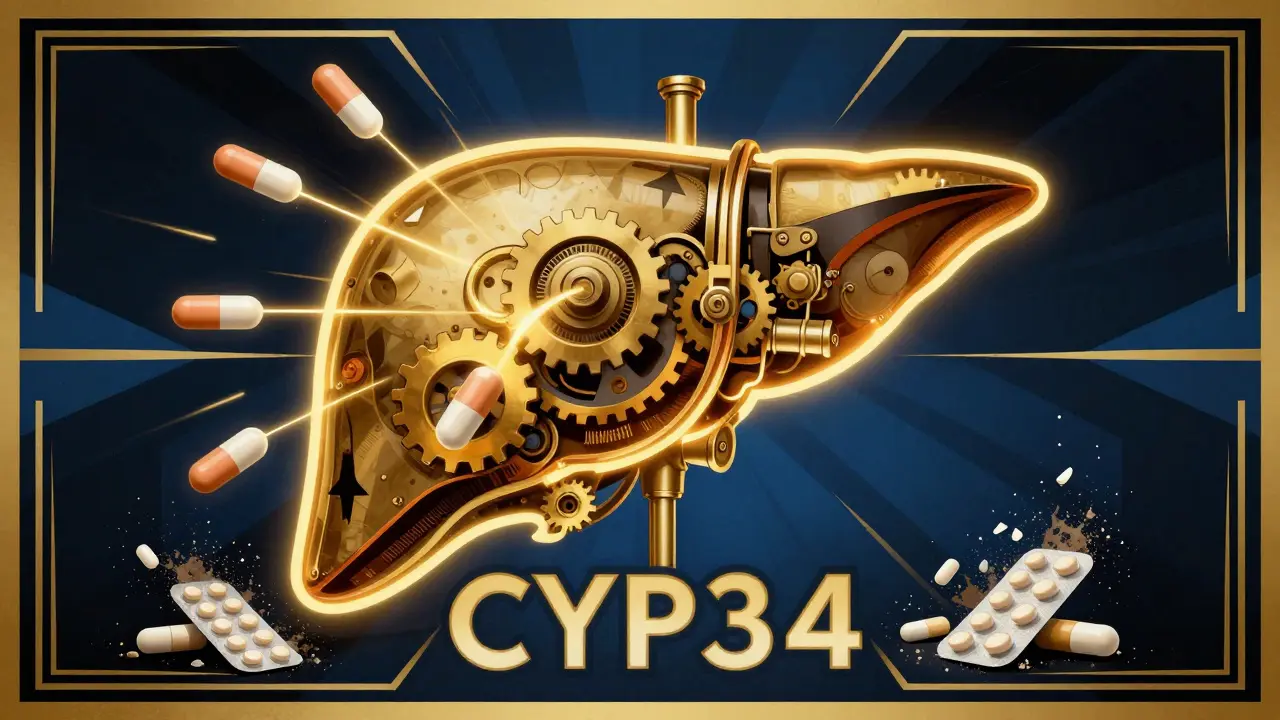
This tool checks for dangerous interactions between rifampin (a key tuberculosis medication) and other common medications. Rifampin induces liver enzymes (CYP3A4) that can reduce effectiveness or increase toxicity of many drugs. Select your medications to see potential interactions.
Medication Selection
Select your medications and click "Check for Interactions" to see potential risks.
Rifampin is one of the most powerful drugs in the fight against tuberculosis, but its power comes with a hidden cost: it changes how your body handles almost every other medication you take. If you're on rifampin for TB, you're not just treating one disease-you're setting off a chain reaction in your liver that can make birth control fail, blood thinners useless, or HIV meds stop working entirely. This isn't theoretical. It happens every day in clinics from Durban to Delhi, and if you don’t know about it, it can kill you.
How Rifampin Works-and Why It’s So Powerful
Rifampin, also called rifampicin, is a bactericidal antibiotic that shuts down tuberculosis bacteria by blocking their ability to make RNA. It binds tightly to the RNA polymerase enzyme in Mycobacterium tuberculosis, stopping the bacteria from copying their genetic code. A single 600 mg dose, taken on an empty stomach, sends peak levels of about 7 mcg/mL into the bloodstream. That’s enough to kill both active and dormant TB bugs hiding inside immune cells.
Before rifampin, TB treatment took 18 months. Now, with rifampin in the mix, it’s six. That’s a 66% drop in treatment time-and millions of lives saved. It’s why WHO still lists it as a first-line drug for drug-sensitive TB, which makes up over 90% of cases globally.
The Hidden Engine: How Rifampin Rewires Your Liver
But here’s the catch: rifampin doesn’t just kill TB. It tells your liver to become a drug-processing machine on overdrive.
It activates a receptor called PXR-pregnane X receptor-which flips a switch that turns on genes for CYP3A4, the most important enzyme in drug metabolism. Within 24 hours, your liver starts making way more of this enzyme. By day 5-7, CYP3A4 activity spikes by 200-400%. That means anything your body uses CYP3A4 to break down? It gets cleared out faster. Much faster.
This isn’t a minor side effect. It’s a full system override. Rifampin doesn’t just interfere with other drugs-it actively reduces their blood levels to the point where they stop working.
The Dangerous Interactions: What Rifampin Breaks
Here’s what happens when rifampin meets common medications:
- Oral contraceptives: Birth control pills lose up to 67% of their effectiveness. There are documented cases of unintended pregnancies in women on rifampin, even when they took their pill correctly.
- Warfarin: This blood thinner’s concentration drops by 42%. Patients on warfarin for atrial fibrillation or deep vein thrombosis can develop dangerous clots within days of starting rifampin.
- HIV protease inhibitors: Drugs like lopinavir and atazanavir see their levels drop by 75-90%. This isn’t just risky-it’s a recipe for HIV drug resistance and treatment failure.
- Statins: Simvastatin and lovastatin can build up to toxic levels if rifampin is stopped suddenly, because the liver enzyme levels take weeks to return to normal.
- Antifungals, antidepressants, immunosuppressants: All of these are affected. Cyclosporine, tacrolimus, and even some SSRIs can become dangerously ineffective or toxic.
And it’s not just about taking them at the same time. Rifampin’s effects last. Even after you stop taking it, CYP3A4 stays elevated for up to two weeks. That means if you’re switching from TB treatment to another medication-say, an HIV regimen or a transplant drug-you need a 2-week washout period. For drugs with narrow therapeutic windows (like warfarin or cyclosporine), doctors often wait four weeks.

The Paradox: Rifampin Makes TB Tougher to Kill
Here’s the twist no one talks about: rifampin doesn’t just affect human metabolism. It makes the TB bacteria themselves more resistant.
Research shows that within hours of exposure to rifampin, even at low doses, some TB bacteria activate a survival mechanism. They ramp up a protein called RpoB, which helps them tolerate the drug. At the same time, they turn on efflux pumps-molecular valves that spit rifampin out before it can kill them. This isn’t genetic resistance. It’s temporary tolerance. And it’s why six months of treatment is still the minimum.
Even more alarming: this tolerance develops within days of starting treatment, long before any genetic mutations show up. That means rifampin, the drug meant to cure TB, is helping the bacteria survive the early stages of treatment.
Breaking the Cycle: New Strategies to Outsmart Rifampin’s Limits
Scientists are now fighting back. One promising approach? Using common drugs to block those bacterial efflux pumps.
Verapamil, a heart medication, and omeprazole, a stomach acid reducer, have been shown to shut down the TB bacteria’s rifampin-spitting pumps. In lab studies, omeprazole at normal clinical doses blocked 68% of the efflux. When combined with rifampin, these drugs made TB bacteria much more vulnerable.
Imagine this: instead of six months of TB treatment, you could do four. That’s not science fiction. In mouse models, adding omeprazole cut relapse rates from 25% down to under 5%. Clinical trials are already underway (NCT0372013, NCT03402858), testing whether adding a daily proton pump inhibitor to standard TB therapy can shorten treatment safely.
And it’s not just about efficiency. For patients in high-burden areas like South Africa, shorter treatment means better adherence, fewer missed doses, and less chance of drug-resistant TB developing.
What You Need to Do If You’re on Rifampin
If you’re prescribed rifampin for TB, here’s what you must do:
- Tell every doctor you see-even your dentist or physical therapist-that you’re on rifampin. It affects everything.
- Review every medication you take, including supplements, OTC painkillers, and herbal products. Even St. John’s wort can interfere.
- Never start or stop any drug without checking with your TB specialist or pharmacist.
- Use non-hormonal birth control if you’re a woman of childbearing age. IUDs, condoms, or implants are safer.
- Wait two weeks after stopping rifampin before starting a new drug that’s metabolized by CYP3A4. Four weeks if it’s something like warfarin or cyclosporine.
And if you’re a healthcare provider: don’t assume your patient knows. Ask. Document. Flag. Rifampin interactions are not rare-they’re predictable, preventable, and deadly if ignored.
Why This Matters in Places Like Durban
In South Africa, TB is everywhere. Many people live with HIV, diabetes, or heart disease-and they’re all on multiple drugs. Rifampin is the backbone of TB treatment, but it’s also the most common cause of dangerous drug interactions in our clinics.
One study in KwaZulu-Natal found that nearly 40% of TB patients were on at least one medication that interacted with rifampin. Many didn’t know. Many didn’t get warned. Some ended up in hospital with clots, seizures, or HIV rebound.
Understanding rifampin’s induction isn’t just academic. It’s a daily clinical reality. And fixing it might mean saving lives not just from TB-but from the unintended consequences of treating it.
Can rifampin make birth control fail?
Yes. Rifampin reduces the effectiveness of oral contraceptives by up to 67% by speeding up how fast your body breaks down hormones. Even perfect pill use won’t prevent pregnancy. Women on rifampin should use non-hormonal methods like IUDs, implants, or condoms. Emergency contraception may also be less effective.
How long does rifampin’s effect last after stopping?
Rifampin induces liver enzymes that stay active for up to two weeks after you stop taking it. For drugs with narrow safety margins-like warfarin, cyclosporine, or some anti-seizure meds-doctors recommend waiting four weeks before starting them to be safe. The enzymes take time to degrade, and restarting a drug too soon can lead to dangerous underdosing.
Can I take omeprazole with rifampin for TB?
Yes-and it might actually help. Research shows omeprazole can block TB bacteria’s ability to pump rifampin out of their cells, making the drug more effective. Clinical trials are testing whether adding a daily proton pump inhibitor can shorten TB treatment from six to four months. If you’re on rifampin and need acid suppression, omeprazole is a safe and potentially beneficial choice.
Does rifampin cause liver damage?
Yes, in about 10-20% of patients, rifampin causes elevated liver enzymes (ALT >3x normal). This is more common when combined with other TB drugs like isoniazid. Regular blood tests are needed. Symptoms include yellow skin, dark urine, or nausea. If detected early, stopping the drugs usually reverses the damage. Never ignore these signs.
Why is TB treatment still six months if rifampin kills bacteria fast?
Because rifampin triggers bacterial tolerance. Within hours, some TB cells activate survival mechanisms-like efflux pumps and RpoB upregulation-that let them survive even in the drug’s presence. These dormant or tolerant cells aren’t dead, just hiding. Only long-term treatment kills them all. Shorter courses lead to relapse in over 25% of cases.
Are there alternatives to rifampin for TB?
For drug-sensitive TB, no. Rifampin is irreplaceable in first-line regimens because it shortens treatment and kills dormant bacteria better than any other drug. For drug-resistant TB, alternatives like bedaquiline or pretomanid are used, but they’re more expensive, harder to access, and not as effective as rifampin-based regimens for standard cases.
What Comes Next
The future of TB treatment may not be a new drug-but a better way to use the old ones. Combining rifampin with repurposed drugs like omeprazole or verapamil could cut treatment time in half, reduce relapse, and make TB easier to manage in crowded clinics and resource-limited settings.
But until those changes become standard, the rule remains simple: if you’re on rifampin, assume every other drug you take is affected. Talk to your provider. Get your meds reviewed. Don’t assume it’s safe. It’s not. And that’s not fear-it’s science.
This is the kind of info that should be on every TB patient’s welcome packet. Seriously, if you’re on rifampin, treat every other med like it’s about to betray you.
Just got my script for statins last week-thank god I asked my pharmacist first.
I had no idea rifampin could make birth control useless-even if you take it perfectly. My sister got pregnant on the pill while on TB treatment. No one warned her. She’s now a single mom at 22. This isn’t just medical-it’s a social justice issue.
Why aren’t clinics forced to hand out condoms and IUD info with every rifampin script?
lol so rifampin is just the drug version of a toxic ex-makes everything else stop working and leaves a mess behind for weeks
Ah yes, the grand paradox of modern pharmacology: the very drug that saves you from a medieval plague also turns your liver into a drug-disposing factory powered by existential dread.
How poetic. We cure TB with a molecule that weaponizes your own biochemistry. The gods of metabolism must be laughing in their protein folds.
I’ve been a clinical pharmacist for 18 years and I still get chills reading this.
Most providers think ‘drug interaction’ means ‘don’t mix with grapefruit.’ But rifampin? It’s like handing someone a flamethrower and saying ‘be careful with your meds.’
And omeprazole as a co-therapy? Genius. It’s not just science-it’s street-smart science. Imagine cutting treatment from 6 to 4 months in rural Kenya. That’s not a trial. That’s liberation.
Interesting. So the bacterial tolerance mechanism is epigenetic? Not mutation-driven? That’s wild. Makes you wonder if we’ve been treating TB like it’s a static enemy when it’s actually a dynamic system adapting in real time.
CYP3A4 induction? PXR activation? Please. This is just basic pharmacokinetics 101. If you’re a clinician and you didn’t know this by residency, you shouldn’t be prescribing.
Also, ‘St. John’s wort’? That’s not a drug, it’s a folk tale with a side effect.
I find it profoundly disturbing that the medical establishment continues to rely on a drug that induces such systemic chaos...
And yet, we do not question its hegemony. We merely adjust. We mitigate. We patch. But we never dismantle. Is this not the epitome of pharmaceutical colonialism? We export the cure, but not the safety net.
This is so important. My dad was on rifampin and warfarin-he almost had a stroke because no one told them to adjust the dose. Please, if you’re reading this: talk to your pharmacist. They’re the real heroes.
In my work in rural clinics in Mexico, we’ve started using omeprazole alongside rifampin for patients with HIV co-infection. We’ve seen fewer treatment failures and better adherence. It’s not magic-but it’s the closest thing we’ve got to a low-cost miracle.
Thank you for writing this. It’s the kind of thing that should be translated into Spanish, Tagalog, and Swahili tomorrow.
The notion that rifampin’s bacterial tolerance mechanism is non-genetic yet heritable within the population of bacterial cells raises profound questions about evolutionary dynamics in microbial communities.
It suggests that phenotypic plasticity, not merely genetic mutation, is the primary driver of early-stage treatment failure-a paradigm shift in antimicrobial stewardship that demands reevaluation of current WHO guidelines.
yo so if i take omeprazole with my rifampin am i basically hacking the system like a video game cheat code??
also can i get a medal for being smart
As a primary care provider, I’ve seen too many patients come in with unexplained clotting events or viral rebound after starting rifampin. This post should be required reading for every medical student, nurse, and pharmacy intern. Documentation, communication, and proactive review are not optional-they’re the minimum standard of care.
Thank you for the clarity and urgency in this piece.
This whole thing is just liberal medicine overcomplicating a simple problem. TB isn’t that hard to treat. Just give the drugs and shut up. Why are we wasting time on ‘omeprazole trials’ and ‘efflux pumps’? We’ve got real problems like illegal immigration and woke doctors.
Also, birth control? Just don’t have sex.
I appreciate the depth of this analysis. While I am not a medical professional, I have been on rifampin for six months and have had to adjust multiple medications under careful supervision. The most challenging part was not the side effects, but the isolation-no one talks about this. Your article helps people feel less alone. Thank you.