When you're living with HIV and taking antiretroviral therapy (ART), your treatment isn't just about one drug-it's about a whole system. And that system can clash with everyday medications you might not even think twice about. A statin for your cholesterol. A painkiller for your back. A nasal spray for allergies. Even St. John’s Wort from the health food store. These aren’t harmless additions. They can turn your HIV treatment into a ticking time bomb.
The truth is, about 40-60% of people with HIV over 50 are taking five or more medications. That’s polypharmacy. And every extra pill increases the chance of a dangerous interaction. In fact, a 2022 study found that antiretroviral drugs were involved in 37% of the most common dangerous drug interactions in this population. That’s more than statins, more than painkillers. This isn’t theoretical. It’s happening right now, in clinics and homes across the country.
Why Some HIV Drugs Are More Dangerous Than Others
Not all ART is created equal when it comes to interactions. The biggest culprits? Protease inhibitors (PIs) boosted with ritonavir or cobicistat. These drugs are powerful. They keep HIV from multiplying, but they also slam the brakes on your liver’s ability to process other medications. Specifically, they block CYP3A4-a key enzyme that breaks down over half of all prescription drugs. When this enzyme is shut down, other drugs build up in your blood like traffic on a highway with no exits.
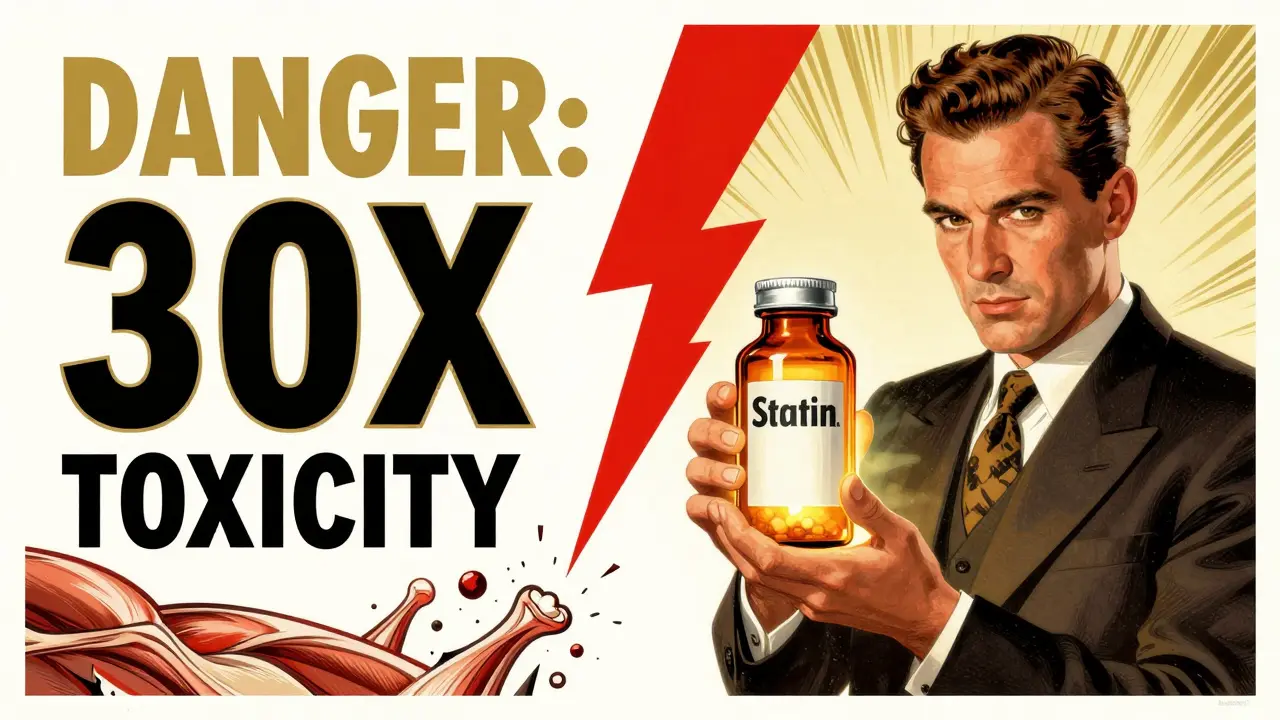
Take simvastatin, a common cholesterol drug. When taken with ritonavir, simvastatin levels can spike 20 to 30 times higher. That’s not just a side effect-it’s a recipe for rhabdomyolysis, a condition where muscle tissue breaks down and can cause kidney failure. This combo is so dangerous, it’s outright banned in guidelines. The same goes for lovastatin. If you’re on a boosted PI, you need to switch to a safer statin-pitavastatin or fluvastatin are your best bets.
Now contrast that with integrase inhibitors like dolutegravir or bictegravir. These newer drugs barely touch the CYP3A4 enzyme. Dolutegravir has only 8.3% of commonly prescribed medications with significant interactions. Bictegravir? Just seven major ones. That’s why most new HIV guidelines now recommend INSTIs as first-line treatment-not just because they’re effective, but because they’re simpler. Fewer pills. Fewer surprises.
The Hidden Danger: Over-the-Counter and Herbal Products
Most people don’t think of their ibuprofen or cough syrup as risky. But they are. And herbal supplements? Even riskier. St. John’s Wort, often used for mild depression, is one of the worst offenders. It can slash efavirenz levels by 50-60%, making your HIV treatment useless. You might not even know you’re taking it-some weight-loss teas and sleep aids contain it. And if you’re on a boosted PI, you’re not safe just because you’re not on efavirenz. The interaction still happens.
Even something as simple as a nasal spray can be deadly. Fluticasone and budesonide are common for asthma or allergies. But when paired with ritonavir or cobicistat, they can cause adrenal insufficiency-your body stops making cortisol, and you can collapse from low blood pressure, fatigue, or even shock. A 2023 review found that 17% of patients on boosted regimens who used these sprays ended up hospitalized. That’s not rare. That’s predictable.
Sexual Health and HIV: A Risky Mix
Erectile dysfunction medications are another blind spot. Many men with HIV take these drugs. But if you’re on a boosted PI, sildenafil (Viagra) can become dangerous. The standard dose is 50-100mg. With ritonavir, you’re limited to 25mg every 48 hours. Go higher, and you risk low blood pressure, fainting, or worse. Avanafil (Spedra) is completely off-limits. No exceptions. And if you’re using tadalafil (Cialis), you need to cut the dose in half. These aren’t suggestions-they’re life-or-death rules.
What About Mental Health and Heart Medications?
Antidepressants? Caution. SSRIs like fluoxetine can push serotonin levels too high when combined with ritonavir, leading to serotonin syndrome-symptoms include confusion, rapid heartbeat, muscle rigidity, and fever. In documented cases, doctors had to cut fluoxetine doses by 50% or switch the HIV regimen entirely.
Heart meds are another minefield. Calcium channel blockers like amlodipine, used for high blood pressure, can spike in concentration with ritonavir. A 1.6-fold increase means you could go from a safe dose to one that causes dangerous drops in blood pressure. Even immunosuppressants like tacrolimus, used after organ transplants, need a 75% dose reduction when switching from a boosted PI to dolutegravir. That’s not a guess. It’s written into the HHS guidelines.
The Silent Epidemic: Aging with HIV
Here’s the reality: half of all people with HIV in the U.S. are over 50. In 2005, that number was 12%. Today, they’re managing diabetes, heart disease, arthritis, and depression-alongside their HIV meds. The Department of Veterans Affairs found that veterans over 65 with HIV take an average of 9.2 medications. Nearly 70% of them have at least one dangerous interaction.
And it’s getting worse. Every additional medication raises your risk of a harmful interaction by 18%. Every year since diagnosis? Another 7%. This isn’t just about pills. It’s about aging, chronic disease, and the fact that HIV is now a long-term condition-not a death sentence. But that means we have to treat it like one.
How to Protect Yourself
There’s no magic bullet. But there are three things you must do:
- Bring every pill, patch, capsule, and supplement to every appointment. That includes your OTC meds, vitamins, CBD oil, and herbal teas. Don’t assume your doctor knows. Most don’t ask.
- Use the Liverpool HIV Drug Interactions Checker. It’s free, updated monthly, and lists over 1,600 drugs. Type in your HIV meds and your other prescriptions. It tells you what’s safe, what’s risky, and what to avoid.
- Ask about switching. If you’re on a ritonavir-boosted regimen and taking five or more other drugs, talk to your provider about switching to an INSTI-based regimen. Dolutegravir or bictegravir might not just be safer-they might be life-saving.
And if you’re thinking, “I’ve been on this combo for years and I’m fine”? That’s the problem. Interactions don’t always show up right away. They creep in. A statin that worked fine for three years suddenly starts causing muscle pain. A blood pressure med that kept you stable now makes you dizzy. That’s not aging. That’s a hidden interaction.
What’s Next?
The future is looking better. New drugs like lenacapavir, injected twice a year, have minimal interaction risk. The NIH is investing $12.7 million in 2024 to develop “interaction-proof” ART. By 2030, experts predict next-gen regimens will have 80% fewer dangerous interactions than today’s boosted PIs.
But that’s the future. Right now, you need to act. Don’t wait for a crisis. Don’t assume your pharmacist caught it. Don’t think your doctor knows everything. You are your own best advocate. Know your meds. Know the risks. And don’t be afraid to ask: ‘Could this hurt me?’
Can I take ibuprofen with my HIV meds?
Yes, ibuprofen is generally safe with most antiretrovirals. It doesn’t rely on the CYP3A4 enzyme pathway that causes the most dangerous interactions. However, if you’re on a boosted protease inhibitor like ritonavir or cobicistat, long-term or high-dose use could still affect kidney function, especially if you’re also taking other kidney-stressing drugs like tenofovir. Always stick to the lowest effective dose and avoid daily use unless approved by your provider.
Is it safe to take St. John’s Wort with HIV treatment?
No. St. John’s Wort is one of the most dangerous herbal supplements for people on HIV medication. It strongly induces CYP3A4 and P-glycoprotein, which can reduce levels of efavirenz, rilpivirine, and some protease inhibitors by up to 60%. This can lead to treatment failure and drug resistance. Even if you’re not on efavirenz, it can still interfere with other ART drugs. Avoid it completely.
Why can’t I take simvastatin with my HIV meds?
Simvastatin is broken down by the CYP3A4 enzyme. Boosted protease inhibitors like ritonavir and cobicistat block this enzyme, causing simvastatin to build up to toxic levels-up to 30 times higher than normal. This dramatically increases the risk of rhabdomyolysis, a condition that destroys muscle tissue and can lead to kidney failure. The risk is so high that guidelines say this combination is absolutely contraindicated. Switch to pitavastatin or fluvastatin instead.
Do integrase inhibitors have any drug interactions?
Yes, but far fewer than boosted protease inhibitors. Dolutegravir and bictegravir have minimal effects on liver enzymes. However, dolutegravir can reduce metformin levels by 33%, which may affect blood sugar control in people with diabetes. Bictegravir drops by 71% when taken with rifampin (used for tuberculosis), so you’ll need an alternative TB treatment. Always check interactions, even with newer drugs.
What should I do if I’m on a ritonavir-boosted regimen and need surgery?
Inform your surgeon and anesthesiologist about your HIV meds. Ritonavir can interfere with many anesthetics and painkillers. For example, fentanyl and midazolam can reach dangerously high levels, increasing the risk of breathing problems. Your HIV provider may recommend switching your ART temporarily before surgery. Never stop your HIV meds without medical advice, but always disclose them before any procedure.
Can I use CBD oil with my HIV treatment?
CBD inhibits CYP3A4 and CYP2D6, the same enzymes targeted by boosted HIV drugs. This can raise levels of protease inhibitors and NNRTIs, increasing side effects. It can also interfere with metabolism of statins, blood thinners, and antidepressants. There’s no safe dose established. Until more research is done, avoid CBD oil if you’re on ART, especially boosted regimens.
How often should I review my medications with my HIV provider?
At every visit. Medication changes happen often-new prescriptions, over-the-counter drugs, supplements, even quitting smoking or starting a new diet can alter how your body processes drugs. The HHS guidelines recommend a full medication review at every appointment, especially if you’re over 50 or taking five or more medications. Don’t wait for symptoms. Prevention is the only reliable strategy.
Let me tell you something they don't want you to know - this whole 'ART interaction' thing is a pharmaceutical scam. Big Pharma doesn't want you switching to integrase inhibitors because they make less profit. They're keeping you on boosted PIs so you keep buying expensive statins, nasal sprays, and 'safe' alternatives that are just repackaged toxins. St. John’s Wort? Yeah it interacts - but so does every synthetic drug they push. The real cure is fasting, raw garlic, and sunlight. They banned the real solutions decades ago. Wake up.
India has been managing HIV for decades without this overcomplicated Western drug obsession. We use Ayurveda, turmeric, neem, and proper diet. Why do you need 9 pills when one herb can balance your doshas? You Americans turn every health issue into a chemical war. This ‘Liverpool checker’? It’s a corporate tool. Real wisdom doesn’t need a database. Your body knows what to reject. Listen to your inner rhythm - not your pharmacist.
Man I’ve been on ART for 12 years and this post saved my life honestly. I was on ritonavir and taking ibuprofen daily for back pain - didn’t realize it was stressing my kidneys. Switched to dolutegravir last year and dropped 4 meds. Now I just take my HIV pill, a daily vitamin, and sometimes a Tylenol if I’m feeling awful. No more scary interactions. Just keep it simple. Talk to your doc. Bring your whole pill bottle. Seriously. Do it.
I just want to say how much I appreciate how clear this post is. It’s not fearmongering - it’s facts wrapped in care. I’ve seen too many people get scared and stop their meds because they don’t understand the risks. This is the kind of info that helps people stay alive without feeling like they’re being scolded. Thank you for writing it. And if you’re reading this and you’re overwhelmed - you’re not alone. We’ve all been there. One conversation at a time, we can make this safer.
St John’s Wort is dangerous? Duh. That’s why it’s banned in 12 countries. You think herbal means safe? That’s why we have a crisis. If you’re dumb enough to take supplements without checking, you deserve what happens. Just don’t blame the system. Blame yourself.
Yeah but let’s be real - most people can’t afford to switch to integrase inhibitors. Insurance won’t cover it. My cousin’s on tenofovir + ritonavir and can’t switch because his Medicaid plan says ‘no’ to newer drugs. This isn’t just medical - it’s economic. They tell you to switch but don’t make it possible. That’s the real epidemic.
I used to be a nurse. I saw people die from this. Not from HIV. From interactions. From being told ‘it’s fine’ by doctors who didn’t check. I stopped taking supplements after my mom went into adrenal crisis from a nasal spray and a PI. It wasn’t her fault. It was the system. We treat HIV like it’s 1995. It’s not. We need mandatory interaction reviews before any new script. Period.
Simvastatin + ritonavir = bad. Pitavastatin = good. Done. Stop overthinking it. If you’re on a boosted PI and taking anything else, go to Liverpool checker right now. Not tomorrow. Now. Your liver will thank you.
thank u for this. i was scared to tell my doc about my cbd oil. now i know to just say ‘hey can we check this’ and not feel dumb. i’ve been on dolutegravir for 3 years and i feel better than ever. its not about being perfect. its about being aware. you got this x