
Chronic pain is exhausting. It doesn't just hurt; it drains your energy, ruins your sleep, and makes even simple tasks feel like climbing a mountain. If you are tired of relying solely on pills or invasive procedures, you might be looking for something gentler. Something that moves your body without punishing it.
This is where yoga and tai chi come in. These aren't just spiritual hobbies for people with flexible hamstrings. They are evidence-based tools for managing pain. Whether you deal with arthritis, back issues, or fibromyalgia, these practices offer a way to reclaim your mobility. Let's look at how they work, what the science says, and how to start safely.
The Science Behind Gentle Movement
You might wonder why slow, deliberate movements help with physical pain. The answer lies in how your brain processes signals. Chronic pain often involves a feedback loop where stress tightens muscles, which causes more pain, which creates more stress. Tai chi and yoga break this cycle by combining physical motion with breath awareness and mindfulness.
Tai chi, originally a Chinese martial art, evolved into a therapeutic practice. It focuses on slow, continuous fluid movements. Think of it as "meditation in motion." According to the National Center for Complementary and Integrative Health (NCCIH), these movements improve balance and reduce the physical strain on joints. Meanwhile, yoga, originating in ancient India, uses static postures (asanas) and flows to stretch and strengthen the body. Modern medicine now recognizes both as "movement-based mind-body interventions." They don't just treat the symptom; they address the nervous system's reaction to pain.
What Works Best for Your Specific Pain?
Not all pain is the same, and neither are these practices. Choosing between them depends largely on the type of discomfort you are experiencing. Here is a breakdown based on clinical data:
| Pain Condition | Best Practice | Key Benefit | Evidence Level |
|---|---|---|---|
| Fibromyalgia | Tai Chi | Reduces pain by 27% and improves sleep quality | Strong (NEJM Study) |
| Knee Osteoarthritis | Tai Chi | Improves balance by 18-25% and reduces joint stress | Moderate to Strong |
| Lower Back Pain | Yoga | High-dose sessions significantly reduce pain vs. standard care | Moderate |
| Neck Pain | Yoga + Heat | 37-42% improvement in mobility and pain intensity | Strong (2024 Review) |
| Rheumatoid Arthritis | Mixed Results | Some studies show benefit, others show no change | Inconclusive |
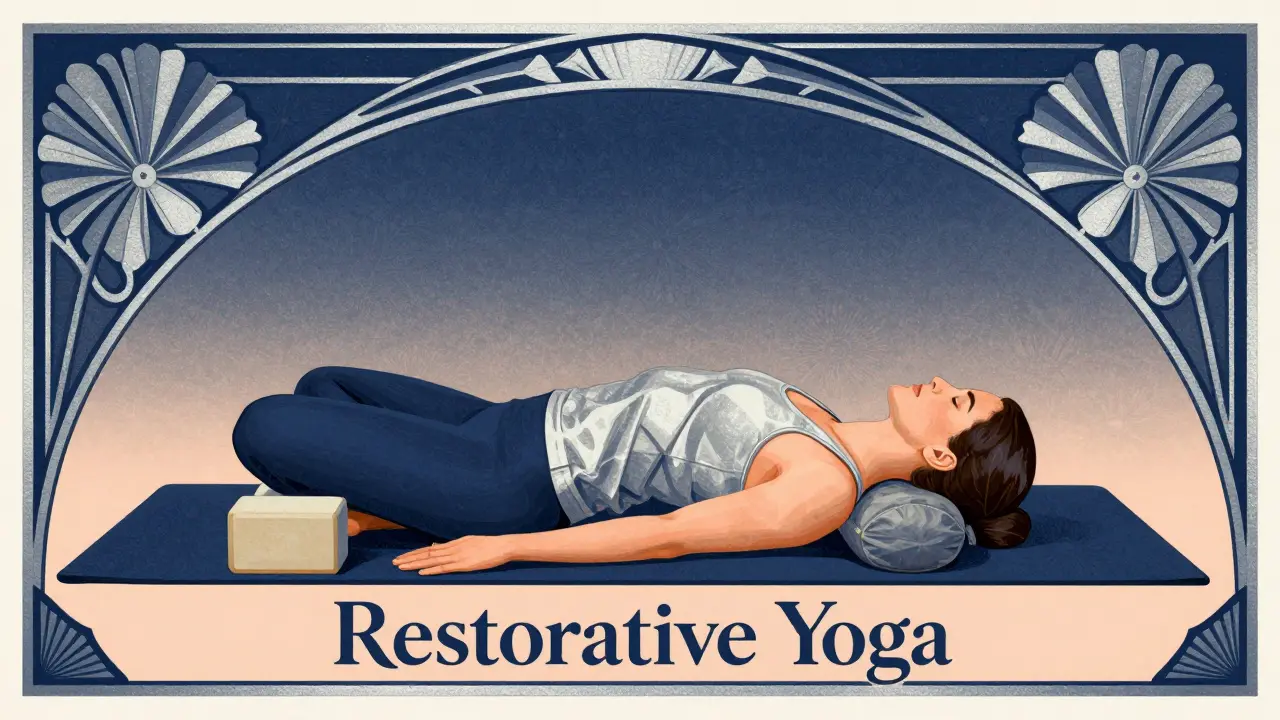
If you have fibromyalgia, tai chi is likely your best bet. A landmark study published in the New England Journal of Medicine found that participants practicing tai chi reported significantly less pain and fewer depression symptoms than those doing stretching alone. For knee osteoarthritis, tai chi’s focus on weight shifting helps stabilize the joint without high impact. On the other hand, if your main issue is lower back pain or neck stiffness, yoga tends to shine. Specifically, Hatha or Restorative yoga styles can lengthen tight muscles that pull on the spine.
How to Start Without Making It Worse
The biggest mistake people make when starting these practices is going too hard, too fast. You are not training for a marathon; you are rehabilitating your body. Starting incorrectly can lead to pain flares, which discourages consistency.
- Start Small: Harvard Health recommends beginning with 15-20 minute daily sessions. Do not jump into hour-long classes immediately. Your body needs time to adapt to new movement patterns.
- Choose the Right Style: For yoga, avoid hot power yoga or intense vinyasa flows initially. Look for Hatha yoga or Restorative yoga. For tai chi, seek out Yang-style or Sun-style classes. Avoid Chen-style if you are a beginner, as it involves deeper stances and faster movements that can strain knees.
- Use Modifications: You do not need to stand perfectly straight on day one. Chair-based adaptations are common and effective. About 42% of positive yoga reviews mention using props like blocks or chairs. If standing hurts, sit down. The mental component of breathing and focus is just as important as the physical posture.
- Find a Qualified Instructor: This is crucial. Not every yoga teacher understands chronic pain. Look for instructors certified in therapeutic yoga or those who teach senior-specific classes. One user noted that their first tai chi teacher didn't know how to modify for knee osteoarthritis, which actually increased their pain. Ask potential teachers about their experience with pain conditions before signing up.
Realistic Expectations: When Will It Help?
You won't feel cured after one session. That is a myth. Consistency is the key ingredient here. Research from the NCCIH indicates that measurable pain benefits typically emerge after 6 to 8 weeks of consistent practice. Maximum effects are usually seen around the 12-week mark.
Expect some initial discomfort. A 2022 study by Pacific Pain Physicians found that 39% of new users experienced pain flares during the first few weeks. This is normal as dormant muscles wake up and tension releases. However, sharp pain is different from muscular soreness. If you feel sharp, shooting pain, stop immediately. Communicate with your instructor. The goal is gentle conditioning, not suffering.
Integrating with Medical Care
Think of yoga and tai chi as part of a team, not a replacement for your doctor. The American College of Physicians conditionally recommends both practices alongside cognitive behavioral therapy and other treatments. They rank these mind-body therapies ahead of acupuncture for certain conditions due to moderate-quality evidence.
Combining these practices with conventional treatment yields better results. The American Chronic Pain Association notes that a combination approach provides 30-40% better outcomes than either method alone. For example, if you are taking medication, discuss with your provider how to time your practice around your dosage schedule. Some veterans using VA pain management programs reported reduced opioid use after six months of regular tai chi practice, but they did so under medical supervision.

Cost and Accessibility
One barrier to entry is cost. Studio classes can be expensive. However, there are affordable options. Community centers often charge $10-$15 per class. Digital platforms like Glo or Alo Moves offer subscriptions for $18-$29 monthly, providing access to thousands of classes. Many insurance plans, including Blue Cross Blue Shield in select states, now cover medically supervised yoga and tai chi programs. Check with your insurer. Additionally, free resources exist, such as the Arthritis Foundation's "Tai Chi for Arthritis" program, which offers low-cost community workshops.
Common Pitfalls to Avoid
- Ignoring Balance Issues: If you are prone to falls, do not practice alone initially. Tai chi improves balance, but learning it requires stability. Use a wall or chair for support until you build confidence.
- Comparing Yourself to Others: Social media shows perfect poses. Real life involves modifications. Focus on how your body feels, not how it looks. Mindfulness means staying present with your own experience, not judging it against someone else's flexibility.
- Skipping Breath Work: The physical movement is only half the equation. The synchronized breathing calms the nervous system. If you hold your breath while moving, you negate many of the pain-relieving benefits.
Final Thoughts on Moving Through Pain
Gentle movement is powerful because it restores agency. Chronic pain often makes you feel helpless. Yoga and tai chi give you tools to manage that pain actively. They require patience, but the payoff-improved mobility, better sleep, and reduced reliance on medication-is worth the effort. Start small, stay consistent, and listen to your body. Your path to relief is one mindful step at a time.
Is yoga or tai chi better for knee pain?
Tai chi is generally considered better for knee osteoarthritis. Studies show it improves balance by 18-25% and reduces joint stress through slow, controlled weight shifting. Yoga can also help, but you must avoid deep lunges or poses that put excessive pressure on the knee joint. Always consult your doctor before starting.
Can I do yoga or tai chi if I am in severe pain?
Yes, but with modifications. Severe pain days call for chair-based adaptations or restorative yoga poses that require minimal movement. The focus should be on breath and relaxation rather than physical exertion. Never push through sharp or acute pain. Listen to your body and scale back as needed.
How long does it take for yoga to help with back pain?
Most people begin to notice measurable benefits after 6 to 8 weeks of consistent practice. Maximum effects are typically seen around 12 weeks. Consistency is key; sporadic practice will not yield significant results. Start with short, daily sessions to build tolerance.
Do insurance companies cover yoga and tai chi classes?
Coverage is expanding but varies by provider and location. Some insurers, like Blue Cross Blue Shield in certain states, cover medically supervised programs. Many academic medical centers and VA hospitals include these therapies in their pain management protocols. Check with your specific insurance plan for details on covered integrative health services.
What style of yoga is best for beginners with chronic pain?
Hatha yoga and Restorative yoga are ideal for beginners. Hatha moves slowly and holds poses, allowing you to adjust alignment. Restorative yoga uses props to support the body in passive stretches, requiring almost no muscle effort. Avoid hot yoga, power yoga, or Ashtanga, which can be too intense for sensitive bodies.