
Imagine being handed a prescription that fights your cancer, but instead of sitting in a clinic chair for hours, you take it at home with a glass of water. That is the promise of oral chemotherapy, a category of cancer-fighting medications administered by mouth in tablet, capsule, or liquid form. It sounds like a dream come true-more freedom, less time away from family, and fewer trips to the hospital. But there is a catch. When you manage your own treatment, you also manage the risks.
The convenience of oral chemo comes with serious responsibilities. You are no longer just a patient; you are part of the medical team administering the drug. This shift introduces unique challenges regarding safety, side effect management, and sticking to your schedule. Getting this wrong doesn't just mean a missed dose; it can lead to severe toxicity or reduced effectiveness. Let’s break down exactly how these drugs work, what dangers lurk in your medicine cabinet, and how to stay on track so your treatment does its job.
How Oral Chemo Works and Why It Matters
To understand why safety matters, you first need to know what you are putting into your body. Oral chemotherapy isn’t one single thing. It includes several classes of drugs, each attacking cancer cells differently. Some are traditional "cytotoxic" agents that kill fast-growing cells indiscriminately. Others are targeted therapies designed to block specific signals that tell cancer cells to grow.
Here is how the main types function:
- Alkylating Agents: Drugs like cyclophosphamide damage the DNA inside cancer cells, preventing them from dividing. They work during any phase of the cell cycle but are most effective when cells are synthesizing DNA.
- Antimetabolites: Agents such as capecitabine mimic essential nutrients. Cancer cells try to use them to build genetic material, but these imposters disrupt the process, leading to cell death.
- Topoisomerase Inhibitors: Medications like topotecan block enzymes needed for DNA replication. Without these enzymes, the cancer cell cannot copy its genetic code and divide.
- Mitotic Inhibitors: These bind to tubulin, a protein structure crucial for cell division, effectively freezing the cell in place until it dies.
The shift toward oral formulations has been massive. Between 2010 and 2020, about 35% of newly approved cancer drugs were oral versions. By 2023, the FDA reported that 52 out of 78 new cancer drugs approved since 2018 were oral. This trend reflects a broader goal in oncology: keeping patients at home while maintaining treatment efficacy. However, because these drugs are potent systemic treatments, their bioavailability-the amount of drug that actually reaches your bloodstream-varies wildly. For example, etoposide has a bioavailability of only 10%, while capecitabine hits around 90%. This variability means your body absorbs different amounts of the drug depending on food, other medications, and even your individual metabolism.
The Safety Trap: Interactions and Storage
The biggest danger with oral chemo isn't usually the drug itself-it's what happens when it meets other substances in your system. Because you are taking these pills at home, you control the environment. A mistake here can be catastrophic.
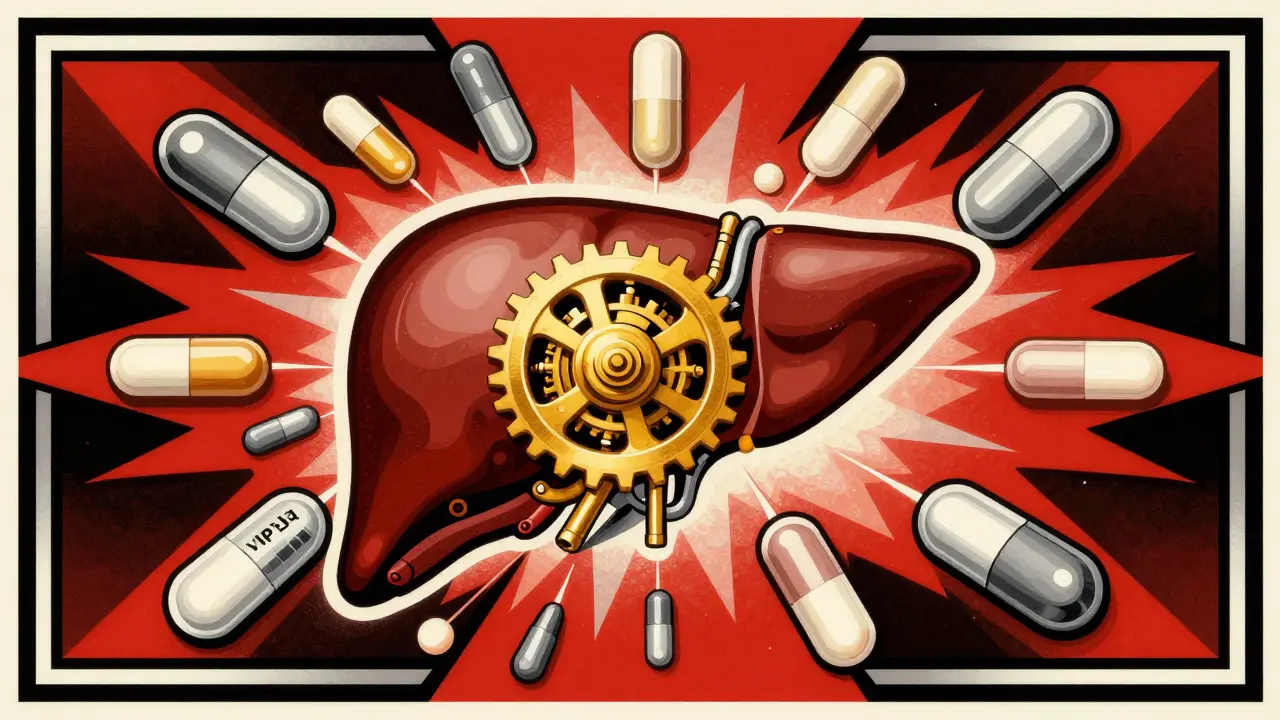
Drug interactions are the silent killer of oral chemo success. Many oral chemotherapies are processed by an enzyme system in your liver called CYP3A4. If you take other medications that affect this enzyme, you can drastically change the level of chemo in your blood.
| Interaction Type | Example Trigger | Effect on Chemo Drug | Potential Consequence |
|---|---|---|---|
| Enzyme Inducer | Rifampin (antibiotic) | Decreases levels by up to 80% | Treatment failure; cancer may progress |
| Enzyme Inhibitor | Ketoconazole (antifungal) | Increases levels by up to 325% | Severe toxicity; organ damage |
| Absorption Blocker | Antacids / PPIs | Reduces absorption by 30-50% | Ineffective dosing |
For instance, if you are taking dasatinib and you start rifampin for an infection, your body might clear the chemo drug so quickly that it stops working. Conversely, ketoconazole can cause lapatinib levels to spike, leading to dangerous side effects. Even common stomach meds like antacids can interfere. Patients on capecitabine must avoid antacids for two hours before and after each dose. Skipping this window can cut the drug’s effectiveness in half.
Storage and disposal matter too. Most oral chemo pills need to be kept between 20-25°C (68-77°F). Leaving them in a hot car or a humid bathroom can degrade the active ingredients. When you have leftover pills, you cannot just flush them or throw them in the trash. The ACCC guidelines specify using FDA-approved medication disposal bags for 98% of oral chemotherapies to protect household members and pets from accidental exposure.
Navigating Side Effects Without Panic
Side effects are inevitable, but they are not random. Knowing which symptoms belong to which drug class helps you prepare rather than panic. Unlike IV chemo, where nurses monitor you immediately, oral chemo requires you to recognize early warning signs.
Blood Count Drops (Myelosuppression): This is common with alkylating agents and targeted drugs like dasatinib. About 65% of patients on cyclophosphamide experience low blood counts. Symptoms include unusual fatigue, frequent infections, or bruising easily. You will likely need weekly complete blood count (CBC) tests for the first six weeks.
Skin Issues: Hand-foot syndrome affects 53% of patients taking capecitabine. It starts as redness or tingling on the palms and soles, progressing to painful blisters if ignored. EGFR inhibitors cause skin rashes in 75-90% of users. Don’t hide these symptoms. Early intervention with moisturizers and dose adjustments can prevent severe pain.
Gastrointestinal Distress: Nausea affects 50-75% of patients on traditional agents. Diarrhea is common with antimetabolites (45% incidence). Hydration is critical here. Dehydration from diarrhea can strain your kidneys, making the chemo harder to process.
Liver Stress: Hepatotoxicity occurs in 15-25% of patients. Elevated liver enzymes often show no symptoms until significant damage has occurred. This is why baseline and periodic liver function tests are mandatory. Never skip these blood draws.
Newer targeted agents generally produce 30-40% fewer severe adverse events than older cytotoxic drugs, but they introduce unique issues like high blood pressure (with VEGF inhibitors) or skin toxicities. Treat every symptom as data, not just discomfort. Report it immediately.
The Adherence Gap: Why Sticking to the Schedule Is Hard
This is the hardest part. Studies show that only 55-75% of patients maintain optimal adherence (taking ≥90% of prescribed doses). Compare that to IV chemo, where adherence is nearly 100% because a nurse administers it. With oral chemo, non-adherence rates of 25-45% mean that roughly one in three patients is effectively under-treated.
Why do people miss doses? It’s rarely laziness. It’s complexity. Capecitabine, for example, requires twice-daily dosing for 14 days, followed by 7 days off. Nilotinib must be taken on an empty stomach with a two-hour buffer before and after eating. Side effects make you feel terrible, so you skip a day to "feel better." Or you forget.
Dr. Charles Loprinzi of Mayo Clinic noted that this non-adherence rate is equivalent to leaving one out of every three patients untreated-a scenario we would never accept with IV therapy. To fix this, you need a system, not just willpower.
Your Action Plan for Success
You can bridge the adherence gap by treating your medication routine like a second job. Here is a practical checklist based on protocols from Dana-Farber and the ACCC:
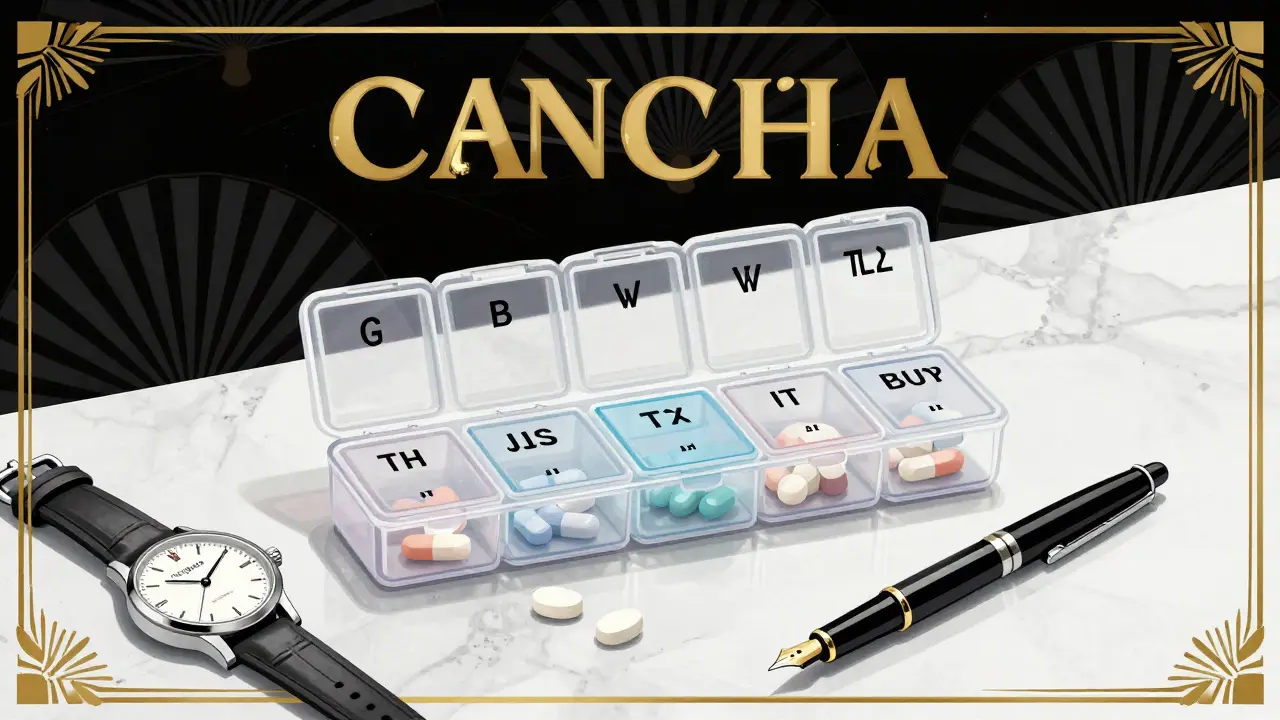
- Use a Pill Organizer: Buy a weekly pill box with compartments for morning, afternoon, and night. Fill it once a week. Seeing an empty slot is a visual cue that prevents double-dosing or skipping.
- Set Alarms, Not Just Reminders: Use a dedicated phone alarm labeled "Chemo Time," not a general calendar event. Silence mode often blocks reminders.
- Create a "Chemo Zone": Designate a specific spot in your kitchen or bathroom for your meds. Keep them out of reach of children and pets, but visible to you.
- Track Side Effects Daily: Keep a small notebook or use a health app. Note the severity of nausea, skin changes, or fatigue. Bring this log to every appointment. It helps your doctor adjust supportive care proactively.
- Verify Understanding with "Teach-Back": When your pharmacist explains a new rule, repeat it back to them in your own words. Did you get the timing right? Do you know what to do if you vomit after a dose?
- Schedule Follow-Ups: Expect calls from your care team on days 3, 7, and 14 of your cycle. Answer them. These check-ins catch problems before they become emergencies.
Recent innovations are helping too. Some clinics now use smart pill bottles with Bluetooth connectivity that alert caregivers if a dose is missed. Pharmacogenomic testing, like DPYD testing before starting fluoropyrimidines, can reduce severe toxicity risk by 72%. Ask your oncologist if these options are available to you.
Frequently Asked Questions
What should I do if I miss a dose of oral chemotherapy?
Do not double up on the next dose unless explicitly instructed by your oncologist. Generally, if you remember within a few hours, take it. If it is close to the next scheduled dose, skip the missed one and continue with your regular schedule. Always call your care team to report the missed dose, as they may need to adjust future timing or monitoring.
Can I drink alcohol while taking oral chemotherapy?
It depends on the specific drug. Alcohol can increase liver stress and interact with certain chemotherapies, potentially worsening side effects like nausea or drowsiness. For many oral agents, moderate consumption is permitted, but for others, it is strictly prohibited. Always ask your pharmacist or oncologist for guidance specific to your prescription.
Is oral chemotherapy as effective as intravenous (IV) chemotherapy?
Yes, when taken correctly. Clinical trials demonstrate that oral formulations provide equivalent efficacy to IV administration for many cancers. The American Cancer Society confirms that oral chemo maintains the same therapeutic power while offering greater convenience. However, this equivalence relies entirely on strict adherence to the dosing schedule.
How long does it take for oral chemotherapy to start working?
Oral chemotherapy begins affecting cancer cells almost immediately upon absorption into the bloodstream. However, visible results, such as tumor shrinkage seen on scans, typically take several weeks to months. Blood markers may improve sooner. Patience is key, as the cumulative effect over multiple cycles drives the treatment outcome.
Who else in my household needs to be careful with my oral chemo pills?
Children, pregnant women, and pets are particularly vulnerable to accidental exposure. Handle pills with clean hands or gloves, and wash surfaces where pills were stored. Never crush or chew capsules unless directed. Store medications in a locked container out of reach. Dispose of unused pills using FDA-approved disposal kits, not in the toilet or household trash.